







Acidity

455 Views







Sponsored
Acidity
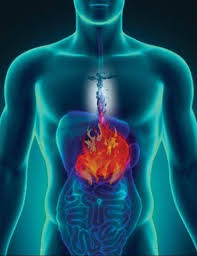
Acidity or Gastro esophageal reflux disease (GERD) is a chronic symptom of mucosal damage that is caused due to entry of acid from stomach into the esophagus. The esophagus is a long tube of muscle that runs from mouth to the stomach. Normally once the food is chewed, it goes from mouth to the esophagus and then into the stomach, where it is mixed with the acidic gastric juice for digestion. The esophagus and the stomach are separated by a sphincter (lower esophageal sphincter), which is a band of muscular fibers that close the valve in order to prevent the food or gastric acids from going back to the esophagus.
NHP provides indicative information for better understanding of health. For any diagnosis and treatment purpose you should consult your physician.
Be aware of triggers that leads to GERD like caffeine, tobacco.
Esophageal ulcers are one of the most common complications of GERD. The excess acid produced by gastro-esophageal reflux disease (GERD) can damage the lining of esophagus (esophagitis) which can lead to the formation of ulcers. The ulcers can bleed, causing pain and making it difficult to swallow. Ulcers can usually be successfully treated by controlling the underlying causes of GERD.
digestive.niddk.nih.gov
Acidity
Comments