







Guide to Gastrointestinal Diseases: Symptoms, Causes, and Treatment








Sponsored
Your digestive system helps break down food and absorb nutrients. But when issues arise, they can cause discomfort and serious health problems. This guide covers common gastrointestinal (GI) diseases, their symptoms, causes, and treatment options.
What Are Gastrointestinal Diseases?
Gastrointestinal diseases affect the digestive organs, including the stomach, intestines, liver, pancreas, and gallbladder. Some common conditions include:
Acid reflux & GERD – Stomach acid flows back into the esophagus, causing heartburn.
Peptic ulcers – Open sores in the stomach lining due to excessive acid or infection.
Irritable Bowel Syndrome (IBS) – Causes bloating, diarrhea, or constipation.
Inflammatory Bowel Disease (IBD) – Chronic inflammation in the intestines (Crohn’s disease, ulcerative colitis).
Common Digestive Disorders
Here are some of the most common GI diseases people experience:
Acid reflux & GERD (Gastroesophageal Reflux Disease) – A burning sensation in your chest caused by stomach acid flowing back into the esophagus.
Peptic ulcers – Sores in the stomach lining due to excessive acid or infection.
Irritable Bowel Syndrome (IBS) – A condition that causes bloating, diarrhea, and constipation without clear causes.
Inflammatory Bowel Disease (IBD) – Includes Crohn’s disease and ulcerative colitis, which cause chronic inflammation in the intestines.
Celiac disease – An autoimmune reaction to gluten that damages the small intestine.
Constipation and diarrhea – Both can be signs of an underlying digestive issue.
Gallbladder disease – Gallstones or inflammation in the gallbladder.
Pancreatitis – Inflammation of the pancreas that affects digestion.
Liver diseases (Hepatitis, Cirrhosis, Fatty Liver Disease) – Conditions that impact liver function and digestion.
Signs & Symptoms of GI Diseases
Symptoms of digestive disorders vary, but these are the most common:
General Symptoms
Abdominal pain or cramps
Bloating and gas
Nausea or vomiting
Heartburn (burning sensation in the chest)
Loss of appetite
Bowel Issues
Diarrhea or constipation
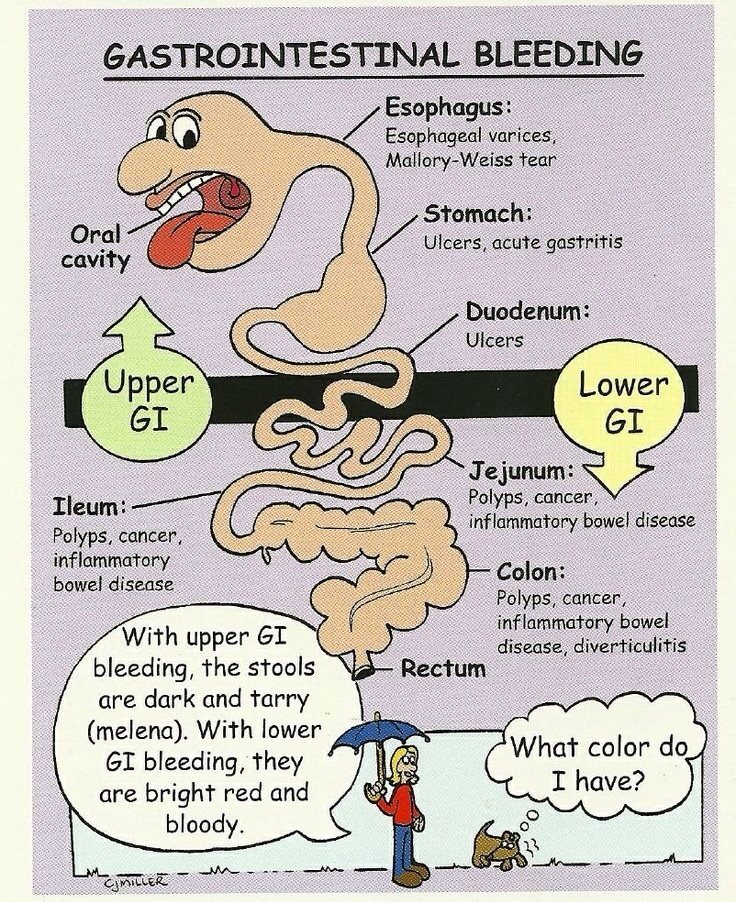
Blood in the stool
Mucus in the stool
Urgent or difficult bowel movements
Other Symptoms to Watch For
Unexplained weight loss
Fatigue
Yellowing of the skin (jaundice)
Trouble swallowing
If these symptoms persist, it’s best to see a doctor.
There isn’t just one cause of GI diseases—many factors contribute to digestive problems.
Lifestyle & Diet
Eating too much processed or fatty food
Not getting enough fiber
Excessive alcohol or caffeine consumption
Smoking
Lack of exercise
Infections & Inflammation
Bacteria like H. pylori can cause ulcers.
Viral infections (such as norovirus) lead to stomach flu.
Autoimmune diseases like Crohn’s and celiac disease cause inflammation.
Genetic & Other Health Conditions
Family history of digestive disorders
Diabetes and metabolic diseases
Liver or pancreas problems
How Are GI Diseases Diagnosed?
Doctors use different tests to figure out what’s wrong with your digestive system.
Basic Examination
Checking symptoms and medical history
Physical examination (pressing on the stomach to check for pain)
Lab Tests
Blood tests to detect infections or inflammation
Stool tests to check for bacteria, parasites, or blood in the stool
Imaging Tests
X-rays, ultrasounds, CT scans, or MRIs – Provide detailed images of your digestive organs.
Endoscopy or colonoscopy – A thin tube with a camera is inserted through the mouth or rectum to examine the digestive tract.
Barium swallow test – A special liquid is swallowed to highlight the digestive tract on X-rays.
The right treatment depends on the specific condition, but here are some general approaches:
Medications
Antacids & Proton Pump Inhibitors (PPIs) – Reduce stomach acid for acid reflux and ulcers.
Antibiotics – Fight bacterial infections.
Anti-inflammatory drugs – Help with Crohn’s and ulcerative colitis.
Laxatives or anti-diarrheal drugs – Manage bowel issues.
Lifestyle & Diet Changes
Eat more fiber – Fruits, vegetables, and whole grains improve digestion.
Drink plenty of water – Prevents constipation and keeps digestion smooth.
Limit processed foods & alcohol – They can irritate the gut.
Exercise regularly – Physical activity helps the digestive system function better.
Surgery (For Severe Cases)
Gallbladder removal, Bowel resection, Liver transplant, Endoscopic procedures
Preventing Gastrointestinal Diseases
There’s no foolproof way to prevent all GI diseases, but you can lower your risk with these steps:
Eat a Healthy Diet
Eat small, balanced meals instead of heavy portions.
Avoid foods that trigger bloating or heartburn.
Add probiotics (like yogurt) for gut health.
Maintain Good Hygiene
Wash your hands before eating.
Drink clean, safe water.
Avoid undercooked or contaminated food.
Get Regular Checkups
Get screened for colon cancer after age 45.
See a doctor if you notice persistent digestive problems.
When Should You See a Doctor?
Don’t ignore your symptoms if you experience:
Severe stomach pain that won’t go away
Blood in your stool or vomit
Unexplained weight loss
Difficulty swallowing
Chronic diarrhea or constipation
Early diagnosis and treatment can prevent serious complications.
Final Thoughts
Gastrointestinal diseases can range from minor discomfort to life-altering conditions. The good news is that most of them are manageable with proper care.
Eating a balanced diet, staying active, and paying attention to your body can go a long way in keeping your digestive system healthy. If you have ongoing symptoms, don’t hesitate to reach out to a doctor—it’s always better to address problems sooner rather than later.
Comments