





High Cholestrol




Sponsored
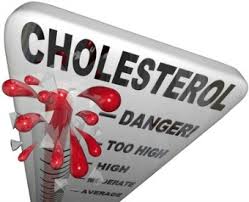
Cholesterol is a type of
fat (lipid) in your blood. Your cells need cholesterol, and your body makes all
it needs. But you also get cholesterol from the food you eat.
If you have too much cholesterol, it starts to build up in your arteries.
(Arteries are the blood vessels that carry blood away from the heart.) This is
called hardening of the arteries, or atherosclerosis camera.gif. It is the
starting point for some heart and blood flow problems. The buildup can narrow
the arteries and make it harder for blood to flow through them. The buildup can
also lead to dangerous blood clots and inflammation that can cause heart
attacks and strokes.
There are different types of cholesterol.
LDL is the "bad" cholesterol. It's the kind that can raise your risk
of heart disease, heart attack, and stroke.
HDL is the "good" cholesterol. It's the kind that is linked to a
lower risk of heart disease, heart attack, and stroke.
What you eat. Eating too
much saturated fat, trans fat, and cholesterol can cause high cholesterol.
Saturated fat and cholesterol are in foods that come from animals, such as
meats, whole milk, egg yolks, butter, and cheese.
Trans fat is found in fried foods and packaged foods, such as cookies,
crackers, and chips.
Your weight. Being overweight may increase triglycerides and decrease HDL (good
cholesterol).
Your activity level. Lack of physical activity can lower your HDL.
Your age and gender. After you reach age 20, your cholesterol naturally begins
to rise.
In men, cholesterol generally levels off after age 50.
In women, it stays fairly low until menopause. Then it rises to about the same
level as in men.
Some diseases. Certain diseases may raise your risk of high cholesterol. These
include hypothyroidism, chronic kidney disease, and some types of liver
disease.
Your family history. High cholesterol may run in your family. If family members
have or had high cholesterol, you may also have it.
Cigarette smoking. Smoking can lower your HDL cholesterol.
Certain medicines. Some medicines can raise triglyceride levels and lower HDL
(good) cholesterol levels. These medicines include thiazide diuretics,
beta-blockers, estrogen, and corticosteroids.
High cholesterol does
not cause symptoms. It is usually found during a blood test that measures
cholesterol levels.
Some people with rare lipid disorders may have symptoms such as bumps in the
skin, hands, or feet, which are caused by deposits of extra cholesterol and
other types of fat.
Some people need to take
medicines to reduce their risk of a heart attack or stroke. Your doctor may
recommend that you take medicines called statins.
You and your doctor can work together to decide what treatment is best for you.
Your doctor may recommend that you take statins if the benefits outweigh the
risks.
Statins are always used along with a plan for a heart-healthy lifestyle, not
instead of it.
Other medicines can improve cholesterol levels, but they have not been proven
to lower the risk of a heart attack or a stroke. Your doctor may recommend
these medicines if there is a reason you can't take a statin. These medicines
include bile acid sequestrants, cholesterol absorption inhibitors, fibric acid
derivatives, and nicotinic acid (niacin).
A heart-healthy
lifestyle can help you prevent heart and blood flow problems, such as heart
attacks and strokes.
This lifestyle includes:
Eating a heart-healthy diet that is rich in fruits, vegetables, whole grains,
fish, and low-fat or nonfat dairy foods.
Being active on most, if not all, days of the week.
Losing weight if you need to, and staying at a healthy weight.
Not smoking.
Heart-healthy diets include the DASH diet, the Mediterranean diet and the
American Heart Association diet recommendations. This chart compares several
heart-healthy diets(What is a PDF document?).
Remember that cholesterol is just one of the things that increase your risk for
heart attack and stroke. Controlling other health problems, such as high blood
pressure and diabetes, can also help reduce your overall risk.
Comments