
How Clear Aligners Work to Straighten Your Teeth
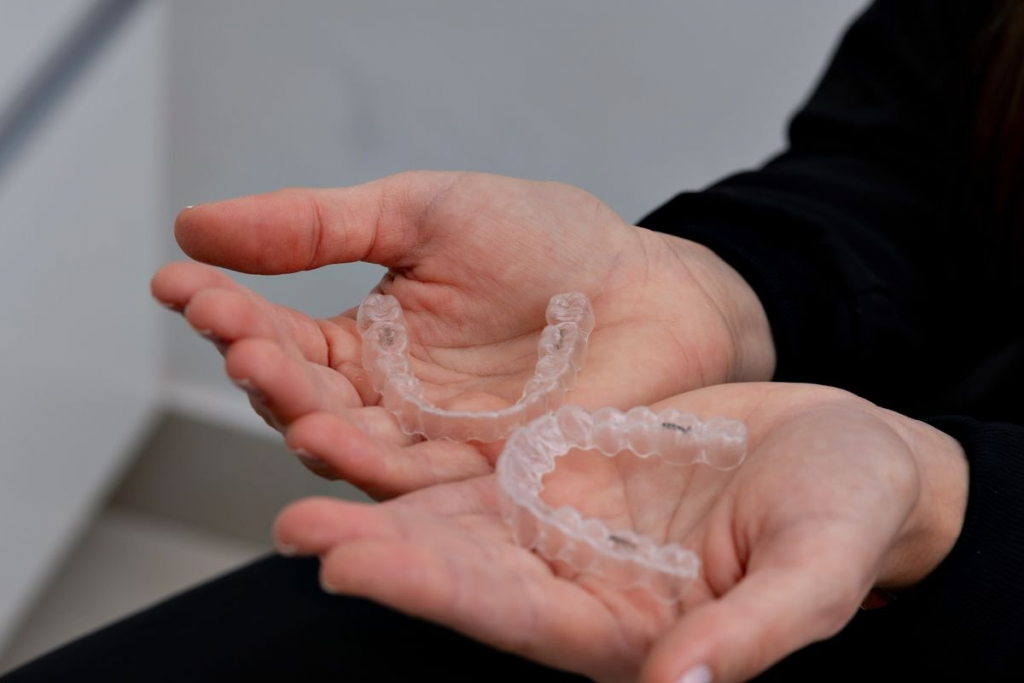
If you’ve ever wondered how a series of clear, removable trays can gradually shift your teeth into perfect alignment, you’re not alone. Clear aligners have revolutionized orthodontic treatment over the past two decades, offering a discreet and comfortable alternative to traditional metal braces. Understanding how they work can help you make an informed decision about whether this treatment is right for you.
From the initial digital scan to the final tray in your series, the process is a fascinating blend of biomechanics, digital technology, and material science. Let’s walk through exactly how clear aligners move your teeth and what you can expect at every stage of the journey.
How Clear Aligners Apply Force to Move Teeth
At the core of any orthodontic treatment — whether braces or aligners — is a simple biological principle: teeth can move when consistent, controlled pressure is applied to them over time. The surrounding bone and periodontal ligaments respond to this pressure by remodeling, allowing the tooth to shift gradually into a new position.
Clear aligners accomplish this by being manufactured in a slightly different shape than your current tooth position. When you insert a tray, it creates gentle but precise pressure on specific teeth, nudging them toward the desired position. Over the course of one to two weeks, your teeth move enough to match the aligner’s shape, at which point you move on to the next tray in the sequence.
The Role of Attachments
For more complex movements, your dentist or orthodontist may bond small tooth-colored bumps called attachments to the surface of certain teeth. These attachments act as handles, giving the aligner something to grip so it can exert more precise rotational or vertical force. They are virtually invisible to others but make a significant difference in the accuracy of tooth movement.
Precision Cuts and Pressure Points
Modern clear aligner trays are engineered with precision cuts and pressure points built directly into the plastic. Advanced software calculates exactly where each tray needs to be thicker or thinner to direct force to the correct tooth at the correct angle — a level of customization that simply wasn’t possible before the digital age.
The Treatment Planning Process
One of the most impressive aspects of clear aligner therapy is how thoroughly it is planned before a single tray is made. The process typically involves the following steps:
- Digital Impressions or Scans: Instead of messy traditional molds, most providers use an intraoral scanner to create a highly accurate 3D model of your teeth and bite.
- 3D Treatment Simulation: Sophisticated software uses your digital model to map out every movement your teeth need to make from start to finish. You can often preview your expected results before treatment even begins.
- Custom Aligner Fabrication: Each tray in your series is 3D printed or thermoformed over a printed model of your teeth at each stage of movement. A full series may include anywhere from 10 to 50 or more trays, depending on your case complexity.
- Progress Check-ins: Throughout treatment, your dental provider monitors your progress to ensure your teeth are tracking correctly. Refinements — additional sets of trays — may be prescribed if adjustments are needed.
This level of planning makes clear aligner treatment remarkably predictable. To learn more about what this process looks like in a clinical setting, explore clear aligner treatment options available from experienced dental professionals.
What Conditions Can Clear Aligners Treat?
Clear aligners are effective for a wide range of orthodontic issues, including:
- Crowding: When teeth overlap due to insufficient space in the jaw
- Spacing: Gaps between teeth caused by missing teeth or natural spacing issues
- Overbite: When upper front teeth overlap the lower front teeth excessively
- Underbite: When lower teeth protrude in front of upper teeth
- Crossbite: When upper and lower teeth don’t meet correctly on one or both sides
- Open bite: When upper and lower front teeth don’t touch when the mouth is closed
While clear aligners were once considered suitable only for mild to moderate cases, advances in aligner technology and attachment systems have expanded their capabilities significantly. Severe skeletal discrepancies may still require surgical intervention or traditional braces, but the vast majority of patients are now candidates for aligner therapy.
Daily Life With Clear Aligners
Wear Time Is Critical
The effectiveness of clear aligners depends entirely on wearing them as directed — typically 20 to 22 hours per day. Removing them too frequently or for too long can slow your progress and extend your treatment timeline. Most patients remove their aligners only to eat, drink anything other than water, and to brush and floss.
Oral Hygiene Advantages
Unlike traditional braces, clear aligners are fully removable, which means you can brush and floss your teeth normally throughout treatment. This significantly reduces the risk of tooth decay and gum disease that can sometimes accompany fixed orthodontic appliances.
Diet and Lifestyle
Since you remove your aligners before eating, there are no food restrictions during treatment. You can continue enjoying all your favorite foods without worrying about damaging wires or brackets. Many patients find this aspect of clear aligner therapy to be one of its most appealing features.
Retaining Your Results After Treatment
Once your final aligner tray is complete, your teeth will need time to stabilize in their new positions. Your provider will fit you with a retainer — often a clear removable retainer very similar in appearance to your aligners — to maintain your results. Wearing your retainer as directed is essential to prevent teeth from gradually drifting back toward their original positions, a phenomenon known as relapse.
Most patients wear their retainers nightly on a long-term basis. This small commitment protects your investment and keeps your smile looking its best for years to come.
Is Clear Aligner Therapy Right for You?
The best way to determine whether clear aligners are the right choice for your smile is to schedule a consultation with a qualified dental professional. During this appointment, your provider will evaluate your bite, tooth alignment, and overall oral health to create a personalized treatment plan tailored to your specific needs and goals.
Modern clear aligners represent one of the most significant advancements in cosmetic and orthodontic dentistry in recent history. By combining precise digital planning with the natural biology of tooth movement, they offer a powerful, comfortable, and aesthetically pleasing path to a straighter smile. Whether your concerns are cosmetic or functional, clear aligner therapy may be the solution you’ve been looking for.