
Why Every Football Player Needs a Custom Mouthpiece, Not Just a Chin Strap
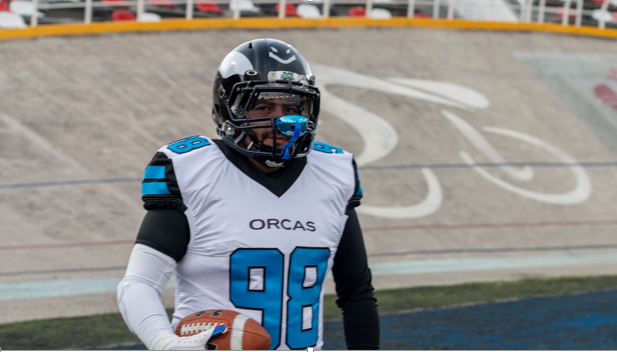
A chin strap helps keep a football helmet in place, but it does not protect the teeth, lips, or inside of the mouth. That is why every player still needs a properly fitted mouthpiece, even when the helmet feels secure.
Football includes sudden hits, falls, and contact from different directions. A mouthpiece adds protection where a chin strap cannot, especially during tackles, blocks, and pileups.
What a Chin Strap Actually Does
A chin strap is designed to hold the helmet firmly on the head. It helps reduce movement during contact and keeps the helmet from shifting too easily.
However, it does not sit between the upper and lower teeth. It also does not cushion the gums, tongue, or inner cheeks when the jaw closes suddenly.
Why the Mouth Still Needs Protection
During a collision, the jaw can snap shut with force. Without a mouthpiece, the teeth may strike each other, and the soft tissues inside the mouth can be cut.
A mouthguard for football creates a protective layer between the teeth. It can also help reduce direct pressure on dental work, such as fillings, crowns, or braces.
Why Custom Fit Matters
Store-bought mouthpieces are available in stock and boil-and-bite styles. They may work for temporary use, but they can feel bulky or become loose during a game.
A custom mouthpiece is made to match the player’s teeth and bite. Because the fit is more precise, it usually stays in place without constant clenching.
A better fit can support:
- Clearer communication on the field
- Easier breathing during intense plays
- Less movement inside the mouth
- More consistent use during practices and games
- Greater comfort under the helmet
Position Makes a Difference
Quarterbacks and linebackers often need to call plays, so clear speech matters. A thick or loose guard may make communication more difficult.
Running backs, receivers, and defensive backs need a mouthpiece that stays secure during fast movement. Linemen may prefer added thickness because they face repeated contact at close range.
A well-designed mouthpiece for football can be adjusted for the player’s position, comfort needs, and level of contact. The goal is not simply to add more material, but to provide coverage without making the guard distracting.
What About Players With Braces?
Players with braces need extra space around the brackets and wires. A standard guard may press against the orthodontic hardware or become uncomfortable as the teeth move.
An orthodontic or custom option can allow room for those changes while helping protect the lips and cheeks from cuts. The fit should be checked regularly throughout treatment.
When to Replace a Mouthpiece
Replace the mouthpiece if it becomes cracked, torn, warped, or too loose. Heavy chewing can also weaken the material and reduce coverage.
Young players may need replacements more often because their teeth and jaws are still changing. A mouthpiece should be cleaned after each use, stored in a ventilated case, and checked before each practice or game. It should never have sharp edges, pressure points, or an odor that remains after cleaning.
