
Understanding Hydrogen Peroxide vs. Carbamide Peroxide for Dental Clinics
Hydrogen peroxide and carbamide peroxide are the two ingredients dental clinics most often encounter when choosing a teeth whitening gel. They both whiten teeth, but they release their active ingredient at different rates.
That difference matters when a patient wants a shorter appointment, prefers to whiten at home, or has experienced sensitivity before. Understanding how each ingredient works helps clinics explain the options without promising a particular shade.
How Do They Whiten Teeth?
Both ingredients help break down the compounds that make teeth look stained. Hydrogen peroxide is active when you apply the gel. Carbamide peroxide breaks down to release hydrogen peroxide more gradually, so it is commonly used in treatments worn for longer periods, including take-home trays.
You cannot compare the percentages on their labels directly. A gel containing 10% carbamide peroxide does not deliver the same amount of hydrogen peroxide as a gel labeled 10% hydrogen peroxide. Clinics should read the full product directions when comparing formulations.
When Might Hydrogen Peroxide Make Sense?
Hydrogen peroxide is often associated with supervised, in-office whitening, where the team can control application and treatment time. This can suit patients who prefer to complete whitening during an appointment.
A stronger or faster treatment isn’t automatically better for every patient. The dentist still needs to consider the condition of the teeth and gums, the cause of discoloration, and any history of sensitivity.
When Might Carbamide Peroxide Make Sense?
Carbamide peroxide is often used in take-home tray systems because it releases peroxide over a longer period. Patients can follow a prescribed schedule and check in with the clinic if they experience discomfort or have questions about their results.
Some professional products combine both ingredients. When reviewing dental whitening gel, check the actual formulation and instructions instead of assuming every gel follows a simple “fast” or “slow” pattern. The intended wear time matters as much as the ingredient name.
What About Sensitivity?
Either ingredient can cause temporary tooth sensitivity or gum irritation. Concentration, contact time, application method, and the patient’s starting condition can all affect the experience. A slower release does not guarantee a sensitivity-free treatment.
Before whitening, ask patients about existing sensitivity and examine areas that may need attention. Clear instructions also help patients use take-home products as directed rather than applying extra gel or wearing trays longer in hopes of quicker results.
What Should Clinics Compare Before Ordering?
When speaking with a teeth whitening supplier, ask for information that supports the clinic’s treatment plan:
- The active ingredients and their stated concentrations
- Whether the gel is intended for chairside use or take-home trays
- Recommended application time and storage instructions
- Directions for protecting soft tissue and managing sensitivity
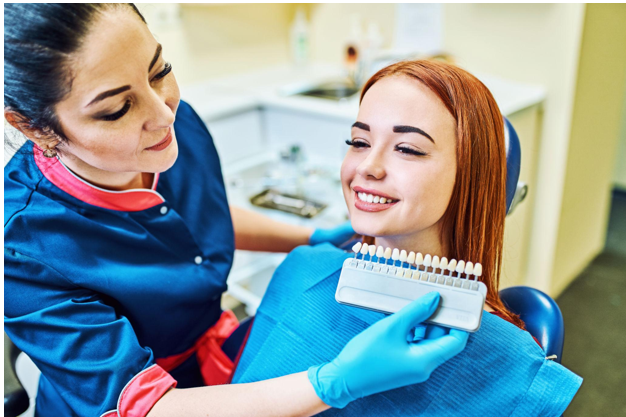
These details give the clinical team a sound basis for choosing a product and explaining it to patients. They also make it easier to set realistic expectations: whitening can improve the appearance of natural teeth, but existing crowns, veneers, and fillings will not change color in the same way.
Hydrogen Peroxide Frequently Asked Questions
1. What is the main difference between hydrogen peroxide and carbamide peroxide for teeth whitening?
Both ingredients help remove stains and whiten natural teeth, but they work at different speeds. Hydrogen peroxide starts working when applied, while carbamide peroxide releases hydrogen peroxide gradually. This is why hydrogen peroxide is commonly used for in-office treatments, while carbamide peroxide is often preferred for take-home whitening trays.
2. Which is better for teeth whitening: hydrogen peroxide or carbamide peroxide?
Neither ingredient is automatically better for everyone. Hydrogen peroxide may suit patients who prefer whitening during a dental appointment, while carbamide peroxide is often used for treatments carried out at home over several sessions. The best choice depends on tooth condition, sensitivity, gel concentration, and the dentist’s recommendations.
3. Does carbamide peroxide cause less tooth sensitivity than hydrogen peroxide?
Not necessarily. Both ingredients can cause temporary tooth sensitivity or gum irritation. The risk depends on the gel’s concentration, how long it stays on the teeth, and the patient’s existing dental health. Carbamide peroxide releases peroxide more slowly, but that doesn’t guarantee a sensitivity-free experience.
4. Is 10% carbamide peroxide the same as 10% hydrogen peroxide?
No. A 10% carbamide peroxide gel releases approximately 3.5% hydrogen peroxide, so the two concentrations are not equivalent. Dental clinics should compare the actual active ingredient, recommended application time, and product instructions rather than relying on the percentage printed on the label.
5. Can hydrogen peroxide or carbamide peroxide damage tooth enamel?
When used correctly under dental supervision, peroxide-based whitening is generally considered safe for suitable patients. However, using overly concentrated products or whitening too frequently can increase sensitivity and irritation. A dentist should check for cavities, exposed roots, and gum problems before recommending treatment.
6. Can I use carbamide peroxide whitening gel at home?
Yes, carbamide peroxide is commonly used in dentist-supervised take-home whitening systems. Patients usually apply the prescribed amount of gel using fitted trays and follow a recommended wearing schedule. Using extra gel or leaving trays in longer than instructed won’t necessarily improve results and may increase sensitivity.
