
How Telephysician Services Can Address Specialist Shortages in Rural Hospitals
Rural hospitals serve one in five Americans but average just 30 physicians per 100,000 residents, compared with 263 in urban areas. Telephysician services Telephysician services for rural hospitals bridge that gap by connecting bedside teams with off-site specialists through secure video and shared EHR access. This needs no emergency transfer to the hospital or waiting until morning.
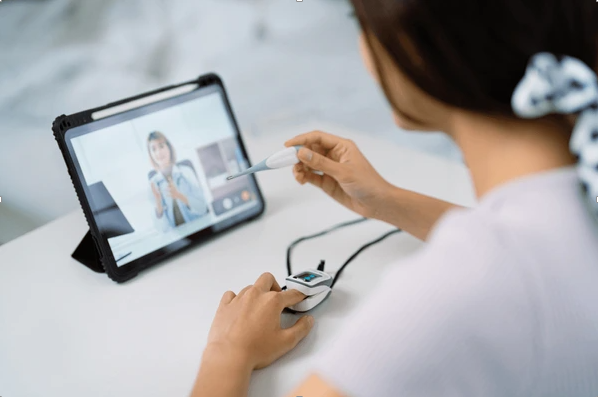
A remote neurologist can guide stroke treatment. A remote psychiatrist can clear a patient from the ED. A remote intensivist can manage a ventilator overnight. Telephysician services expand local care capacity where recruitment alone cannot keep pace, and they do it around the clock, at hospitals that cannot afford a full time specialist roster.
What Does the Specialist Shortage Actually Cost a Rural Hospital?
The shortage creates four problems beyond the difficulty of recruiting including the slower specialist input, thin overnight coverage, avoidable transfers, and rising burnout among the clinicians left to cover the gaps.
Delayed Access to Time Sensitive Care
Rural patients with stroke, chest pain, or a psychiatric crisis often wait hours for specialist input that urban patients get in minutes. Rural health research recorded a 24% increase in wait times between 2004 and 2017 due to fewer available physicians. Hospital and clinic closures have added an average of 20 miles to routine care access and nearly 40 miles to addiction treatment in affected communities. That distance is the difference between a good outcome and a preventable one for stroke and cardiac emergencies.
Overnight and Weekend Coverage Gaps
Rural hospitals rarely staff full-time neurologists, psychiatrists, or intensivists. Coverage usually falls to an on-call general physician or a transfer out. The Rural Health Information Hub notes that patients travel farther or go without care entirely when a community lacks specialists and telehealth access is unavailable. These overnight gaps also drive burnout among generalist physicians asked to make high acuity decisions outside their training.
Avoidable Transfers Carry Real Cost
A transferred patient is often a lost case and a real cost to the hospital that sent them. In a multi-network study, 20% of rural ED transfers were avoidable with telephysician support, and 43% of those patients were treated and discharged from their own hospital. Each avoided transfer saves an estimated $2,673 in transport costs, plus the revenue kept by treating the patient locally rather than sending the case to a regional center.
How Do Telephysician Services Work in a Rural Hospital to Deal with Emergency Healthcare Needs?
A telephysician connects by secure video to the bedside, reviews the chart and imaging through the hospital’s EHR, and delivers a consult in real time while an onsite nurse or physician stays present. The remote specialist sees the patient, speaks with the family, reviews vitals and labs, and gives orders to the bedside clinician. The bedside team carries those orders out, handles anything requiring physical contact, and escalates if the patient’s condition changes.
The Bedside Team Starts the Telephysician Consultation
The onsite physician or nurse identifies a case that needs specialist input and initiates the consultation through the platform, usually via a dedicated cart or workstation with a high definition camera and two-way audio. The remote specialist is notified and joins within a defined response window; for stroke protocols, that window is around 15 minutes or less.
The Remote Physician Accesses the Full Clinical Picture
The telephysician reviews the EHR in real time, pulls imaging through an integrated PACS connection, and sees the same labs and vitals the bedside team sees. The consult is documented directly into the patient’s record. Nothing is relayed secondhand.
The Remote Specialist Guides While the Bedside Team Acts
The remote physician gives orders and recommendations; the onsite clinician carries them out and performs any component requiring physical examination. For a stroke case, that means the bedside team handles the neurological exam while the remote neurologist interprets findings, reviews the CT, and guides the tPA decision.
Escalation and Transfer Protocols for Rural Hospitals
Every telephysician services implementation needs written answers to three questions before the first consult: what happens if the consult is insufficient and transfer is needed, what happens if the video connection drops, and who owns the documentation. Without those protocols in writing, the service adds confusion rather than support.
Telephysician Coverage Across Specialties and Shifts
The same infrastructure that supports a stroke consult at 11 p.m. supports a psychiatric boarding case at 3 a.m. and a chest pain triage at 6 a.m. One platform, one workflow, multiple specialties, which is why telephysician services for rural hospitals are built around a vendor relationship rather than individual physician contracts.
Which Specialties Benefit Most From Telephysician Services?
Neurology, psychiatry, critical care, and cardiology represent the highest-volume, highest-acuity gaps in most rural hospitals, and each has real evidence behind it.
Teleneurology for Stroke and Seizure Management
Stroke is the most established use case. Teleneurology programs reduce patient transfers while improving stroke outcomes and patient satisfaction. A remote neurologist evaluates the patient on video, reviews CT imaging, and guides tPA administration inside the treatment window that rarely survives a transfer. The model also covers seizures, altered mental status, and complex headaches. It cannot perform a full physical exam, so the onsite team performs and relays those findings.
Telepsychiatry for ED Boarding and Behavioral Health
Telepsychiatry cuts ED boarding time and moves patients to appropriate behavioral health care faster. A remote psychiatrist runs a full mental status exam, decides on disposition, initiates medication, and documents the visit without an inpatient psychiatric bed on-site. Involuntary commitment and physical restraint decisions still require onsite staff and local legal protocol. Video cannot replace a hands-on safety assessment.
Tele ICU For Around-the-Clock Critical Care
Most critical access hospitals have no intensivist coverage after hours. A tele-ICU links remote critical care physicians and nurses to the bedside through continuous monitoring, flagging deteriorating vitals and guiding ventilator management so more patients stabilize within the window a transfer would otherwise cost. It does not replace hands for a central line, a bronchoscopy, or emergency surgery.
Telecardiology for ECG Interpretation and Chest Pain Triage
Remote cardiologists read ECGs, review echocardiograms, assess chest pain, and guide STEMI management alongside cath lab activation. That matters most overnight, when a rural ED physician makes high stakes decisions without specialist backup. Cath lab procedures still require a transfer. Telecardiology improves triage and pre-transfer management, not the procedure itself.
What Does Implementing Telephysician Services Require in Hospitals?
Licensing and Credentialing
State law requires the telephysician to be licensed in the state where the patient is located, even if already licensed elsewhere; the Interstate Medical Licensure Compact gives most groups an expedited path.
On credentialing, CMS lets a hospital’s governing body rely on the credentialing and privileging decisions already made by the distant-site hospital or telemedicine entity, a process called credentialing by proxy, which cuts the administrative load considerably. Under 42 CFR § 485.616, the distant-site physician must hold a license recognized by the state where the critical access hospital sits, and the hospital sends performance data and complaints back for ongoing review.
Technology, Internet and EHR Access
At minimum, a hospital needs a HIPAA compliant video platform, reliable broadband, and real-time access to the chart, imaging, and labs for the remote physician. Rural hospitals still lag urban peers in adopting these tools, and that gap hadn’t closed as of 2023. Before signing with a provider, such as American TelePhysicians, confirm EHR interoperability, image sharing, and connection redundancy.
Workflow and Escalation Protocols
The consult workflow needs answers before go-live: who initiates a consult and under what criteria, who documents it, what happens if the consult falls short, and what happens if the connection drops. Without written protocols, a telephysician service creates confusion instead of support. A good partner supplies integration help, but clinical leadership still owns these decisions.
Is Your Rural Hospital Ready for Telephysician Services?
Work through these before signing to surface the gaps worth fixing first.
- Coverage gaps: Which specialties have no reliable coverage, and do the gaps show up overnight, on weekends, or continuously?
- Onsite infrastructure: Redundant broadband, real-time EHR and imaging access, a dedicated space or device for consults.
- Staffing and workflow: A qualified clinician always at the bedside, with consult and escalation steps written down and tested.
- Licensing and credentialing: Licensure in your state, a credentialing-by-proxy agreement, and a clear owner for ongoing compliance.
- Contracts and finance: Payer rules checked per specialty, with response time and performance terms spelled out in the agreement.
Where Rural Hospitals Should Start With Telephysician Services
Telephysician services for rural hospitals solve a problem that recruitment cannot fix quickly: the patient in front of the team right now, at 2 a.m., at a 25-bed hospital with no neurologist, no intensivist, no psychiatrist on call.
The model works when the workflow is solid, the technology holds up, and the bedside team can act on what the remote specialist recommends. It does not replace strong nursing, procedural capacity, or a clear transfer plan for cases that genuinely need to leave the building.
Start with the speciality causing the most harm or the most transfers right now. Build the workflow around it, test it, then expand.