
High-Fiber Diet for Constipation: Planning Fresh Food Storage the Right Way
A high-fiber diet for constipation relief is often one of the first and gentlest changes people try before turning to anything else. Yet knowing that fiber helps is only half the picture. The other half is making sure fresh, fiber-rich foods are actually on hand, day after day, before they wilt or spoil in the back of a drawer. This article looks at how fiber supports regular digestion, which foods deliver it most reliably, and how thoughtful storage and shopping habits can turn good intentions into a lasting routine. It also covers the supporting roles of fluids and movement, and explains when ongoing symptoms call for a medical opinion rather than another dietary tweak.
Why Fiber Matters So Much for Constipation
Fiber works on the digestive system in two distinct but complementary ways, and understanding the difference explains why a varied diet matters more than simply “eating more fiber.” Soluble fiber dissolves in water and forms a gel-like substance as it moves through the gut. This slows digestion, feeds beneficial gut bacteria, and softens stool so it passes more comfortably. Insoluble fiber, by contrast, does not dissolve. It adds bulk to stool and helps it move through the intestines more efficiently, acting almost like a physical scaffold that keeps things moving along.
Most people who struggle with irregular bowel movements are simply not getting enough of either type, and the shortfall tends to build gradually rather than appear overnight. Because the two fiber types act differently, relying on only one food group rarely solves the problem. A diet built mostly around refined grains, for instance, can lack the bulking effect of insoluble fiber even if some fruit is included. The ideal daily amount varies with age, activity level and overall health, which is why a blanket number is less useful than simply aiming to include a fiber source at every meal and increasing intake gradually rather than all at once, since a sudden jump can cause bloating before the gut adjusts.
Which Foods Naturally Support Digestion
Certain food groups consistently deliver both types of fiber and are easy to build a routine around. Vegetables and fruits with edible skins and seeds tend to carry the most insoluble fiber, while oats, legumes and certain fruits are richer in the soluble, gel-forming kind. Whole grains and legumes deserve particular attention because they combine fiber with resistant starch, a component that reaches the colon largely undigested and acts as fuel for gut bacteria, which in turn supports more regular motility.
A practical shortlist to rotate through the week includes:
- Leafy greens and cruciferous vegetables such as broccoli or cabbage
- Berries, pears and apples eaten with the skin on
- Legumes like lentils, chickpeas and beans
- Whole grains such as oats, brown rice and whole wheat products
- Nuts and seeds, particularly flaxseed and chia, which also add soluble fiber
The key is variety rather than volume. Eating a large portion of a single fiber source does less for digestion than combining smaller amounts from several categories, because each contributes a different mix of soluble and insoluble content plus different fermentable compounds for gut bacteria. Preparing meals that mix a legume, a whole grain and a raw or lightly cooked vegetable in the same sitting is a simple way to cover both fiber types without tracking anything precisely.
Keeping Food Fresh: Why Enough Cooling and Storage Space Matters
A high-fiber routine only works if the ingredients are actually there when needed, and this is where storage habits quietly make or break the plan. Fresh vegetables and fruit lose both texture and nutritional value once they sit too long at the wrong temperature, and once produce starts to soften or wilt, it is far more likely to be skipped in favor of something quicker to prepare. This is one of the most common reasons a fiber-focused diet fades out after a few weeks: the fresh ingredients simply were not in good enough condition when it was time to cook.
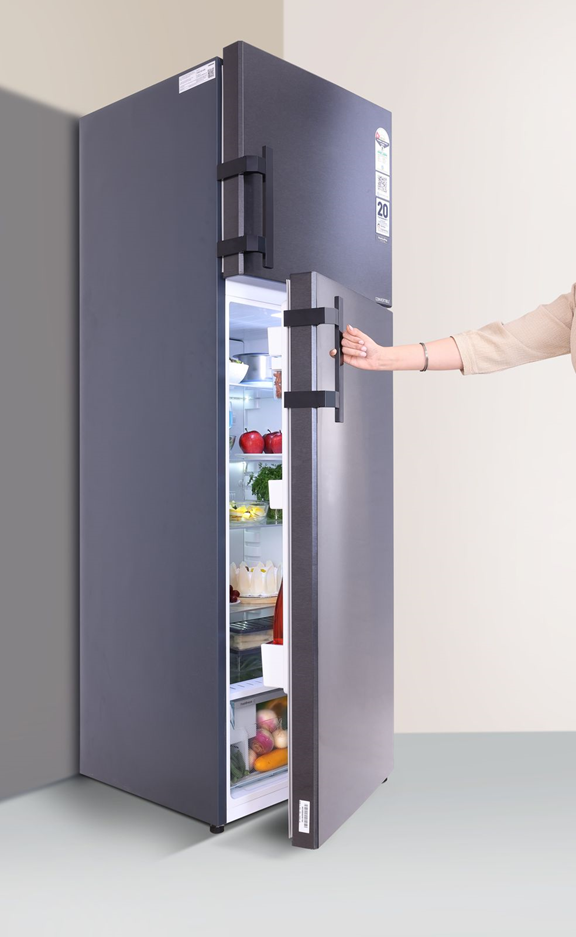
Separating produce by type also slows spoilage, since fruits that release ethylene gas as they ripen can accelerate wilting in nearby vegetables if they share the same crowded bin. Larger cooling appliances with clearly divided compartments make it easier to keep bigger batches of fresh ingredients organized without one type of produce affecting another. A spacious double-door fridge offers enough separate space to dedicate distinct zones to vegetables, fruit and grains or legumes that have already been soaked or cooked in batches, which makes it more realistic to shop for a full week of fiber-rich meals rather than buying small amounts every few days. Having that structure in place removes one of the everyday obstacles that otherwise pushes people back toward more processed, lower-fiber convenience foods.
Liebherr’s EasyFresh compartment is meant for exactly that: leafy greens and other fibre-rich produce sit in a humidity-controlled drawer instead of drying out on an open shelf.
Hydration and Movement as Complementary Habits
Fiber alone does not do all the work; without enough fluid, extra fiber can actually make constipation feel worse rather than better. Soluble fiber needs water to form the soft, gel-like mass that eases stool through the intestines, and insoluble fiber needs enough moisture to stay soft rather than becoming dense and harder to pass. This is why a diet that increases fiber intake but not fluid intake sometimes backfires, leaving people more uncomfortable than before the change.
Physical movement adds another layer of support by stimulating the muscle contractions that push contents through the colon, a process known as peristalsis. Even light, regular activity such as walking after meals appears to encourage this rhythm more effectively than remaining sedentary, since movement of the body seems to translate into movement within the gut. Neither hydration nor activity replaces a fiber-rich diet, but skipping either one tends to blunt the benefits fiber would otherwise provide. Building a routine that pairs meals higher in fiber with a glass of water and a short walk afterward is a simple combination that reinforces itself over time.
When Medical Advice Is Necessary
Dietary changes help many cases of occasional constipation, but they are not a substitute for medical evaluation when certain warning signs appear. Blood in the stool, unexplained weight loss, severe or persistent abdominal pain, or a sudden change in bowel habits without a clear dietary cause are all reasons to seek a professional opinion rather than continuing to adjust food choices alone. These symptoms can occasionally point to conditions that have nothing to do with fiber intake, and identifying the underlying cause matters more than treating the symptom in isolation.
Constipation that continues for an extended stretch despite consistent efforts with fiber, fluids and movement also deserves a closer look from a healthcare provider, since prolonged straining or infrequent bowel movements can eventually lead to other complications if left unaddressed. Whether a particular case needs further testing depends on individual history, other symptoms present, and how the person has responded to earlier changes, which is why general dietary advice cannot replace an individual assessment. Recognizing the difference between everyday sluggishness and a pattern that is not improving is an important part of managing digestive health responsibly.
Practical Tips for Building a Fiber-Friendly Routine
Turning fiber knowledge into a daily habit works best when it is tied to a repeatable system rather than willpower alone. A few habits make that system easier to sustain:
- Plan meals around what is already fresh and needs to be used first, rather than deciding meals and then shopping
- Wash and portion vegetables shortly after buying them, so they are ready to grab rather than requiring extra prep later
- Cook grains and legumes in batches and store them separately from raw produce to keep textures and flavors distinct
- Keep a visible spot for fruit that ripens quickly, so it gets eaten before it spoils rather than forgotten
- Introduce new fiber sources gradually, watching how the body responds before adding more at once
None of these habits require dramatic change. What they share is a focus on reducing the small daily friction that causes fiber-rich food to go to waste, since a diet that looks good on paper only helps if the food is actually eaten before it turns.
Frequently Asked Questions
Does eating more fiber work immediately for constipation?
Not usually. The digestive system needs time to adjust to higher fiber intake, and effects tend to build gradually over days as gut bacteria and stool consistency adapt, rather than producing an immediate change after a single meal.
Can too much fiber be a problem?
Adding fiber too quickly, especially without enough fluid, can cause bloating or discomfort. A gradual increase paired with adequate water intake is generally more comfortable than a sudden large change in diet.
Are fiber supplements as good as fiber from food?
Whole foods provide fiber alongside other nutrients, water content and fermentable compounds that supplements do not fully replicate. Food-based sources are generally considered the more complete approach, though individual circumstances
