
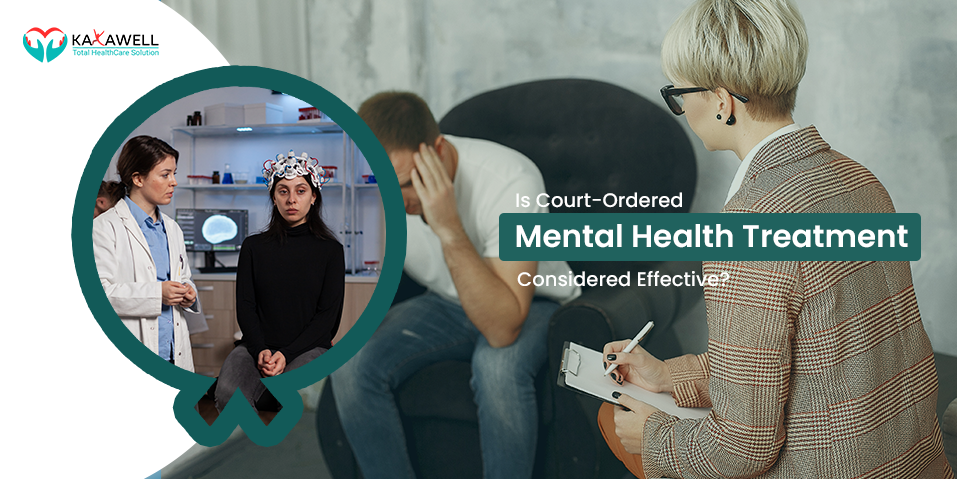
Is Court-Ordered Mental Health Treatment Considered Effective?

When a person ‘s problem with mental health comes to the attention of the criminal justice system, the court may order treatment intervention instead of regular sentencing. This could include therapy, psychiatric treatment, medication management or residential rehabilitation.
In this article KayaWell helps to discuss how effective court-ordered mental health treatment is at actually helping people to recover and reintegrate into society. The article is both fascinating and very important as the intersection between mental health and the justice system continues to transform.
Understanding Court-Ordered Mental Health Treatment
Court-ordered mental health treatment may refer to compulsory participation in psychiatric or psychological treatment as a result of a legal ruling. Part of such treatment may be outpatient therapy, inpatient care, substance use treatment, or adherence to continuing psychiatric medication.
Such orders are most common when the crime/behaviour of the defendant is directly connected to the existence of another mental illness (i. e. schizophrenia, bipolar disorder, PTSD or severe depression) and when the court finds that treatment, rather than punishment, may reduce the prospect of subsequent reoffending.
In some jurisdictions, there are special “mental health courts” that specialize exclusively in the transfer of eligible people from jail to a structured treatment program (since the number of people who are locked up with mental illness has increased dramatically over the last 20 years). The goal is not retribution, but rather rehabilitation and accountability in combination with counseling and therapy.
The Effectiveness Question
Is court-ordered mental health treatment successful? Easy Answer It depends heavily on how successful a treatment outcome is defined and evaluated. If success means reduced recidivism, improved stabilization or better treatment compliance, studies have generally shown that court-ordered treatment is effective, particularly when programs are designed appropriately and adequately funded.
Mental health court participants are also more likely to experience lower re-arrest rates and fewer psychiatric hospitalizations compared with those who receive normal criminal sentences. Structured supervision frequent check-ins, progress monitoring, and clear consequences may help participants remain in care for long enough periods of time that signs of progress are observed.
Effectiveness also depends in part on the individual’s own motivation, on the quality of care provided, and on available resources after the mandate ends. Treatment that only focuses on compliance without any form of engagement can yield temporary gains, without much hope for long-term recovery.
The Role of Motivation and Autonomy
One of the controversial aspects of court-ordered treatment is whether people can truly benefit from what they are being forced to do or take. Counselling and/or medication for mental health problems primarily requires trust, self-awareness and collaboration. These qualities may be difficult to develop under pressure.
Nevertheless, the clinical evidence shows that early resistance does not necessarily predispose to poor outcome. In some cases, mandatory treatment serves as a turning point in the process. As people who begin therapeutic intervention to resist it get to realize the benefits of it, the “foot in the door” effect may kick in and even externally motivated treatment may become internally motivated in the long run.
Individualized treatment programs that balance accountability with empathy (e. g. trusted treatment programs at Icarus Wellness and Recovery, where the clinicians help clients move towards independence as partners rather than patients under watch) improve engagement and recovery. A client may gradually gain self-sufficiency as they progress toward stability and understanding, providing external incentive for continued treatment.
Reducing Recidivism Through Treatment
Many of the most tangible, tangible data indicators underlying the success of court-ordered mental health services are reduction in recidivism. People who experience untreated or undertreated mental illness are significantly more likely to enter the criminal justice system. Untreated psychiatric symptoms may also be linked to substance abuse, homelessness, impulsive behavior, and violation of probation conditions.
Basically the point of court-ordered treatment is to put an end to that cycle. People who have psychosis and are under constant medication management, supportive therapy, and assistance in housing are much less likely to commit another crime when released from prison than people who are not receiving support.
Longitudinal studies of mental health court participants have consistently shown that treatment for reoffending is associated with lower recidivism rates when it is combined with social support services (housing, employment) one point bearing on the importance of continuity of care outside of the court’s jurisdiction.
The Importance of Program Design
Not all court ordered treatment is the same. Program efficacy depends in large part on program design, coordination, and follow-up; however, programs involving a greater number of mental health professionals, case managers, probation officers, and other community resources usually have higher success rates.
Key elements of effective court-ordered mental health programs include:
- Individualized treatment plans tailored to each person’s diagnosis, history, and needs.
- Integrated care for co-occurring disorders such as substance use and trauma.
- Consistent oversight through case review hearings or progress updates.
- Access to medication management and continuity of prescriptions after release.
- Supportive housing and vocational assistance to prevent destabilization.
We know how effective programs are when they are funded too low or are disconnected from all community resources. Without follow-up individuals could quickly relapse or spiral into crisis again resulting in repeated arrests and more trauma.
Ethical and Legal Considerations
Court ordered treatment raises important ethical issues about consent, autonomy and the state’s role in personal health care decisions. Mental health advocates are often concerned about the potential for coercion and overreach, but from a public health perspective mandating intervention through court ordered treatment can save a person’s life.
Ethical practice would in principle require court-ordered treatment to be as minimally restrictive as possible, with safeguards for the promotion of awareness of the participants’ rights and participation in decision-making about their treatment; transparency between legal authorities and clinicians is critical; and confidential care, provided it is permitted by law.
A balance between public safety and human dignity is central to the effective management of court-ordered treatment, and when undertaken with compassion and clinically sound judgment, the process can both respect individual rights and foster recovery and community stability.
Addressing the Root Causes
Court-ordered treatment has its benefits, but is often a “call and response” type of approach. It is done “after a crisis has already been initiated by the courts. ” The key to long-term changes in society is early intervention and prevention. Improving access to voluntary mental health services, crisis response systems, and community-based support can significantly reduce the need for court order treatment in any given situation.
For many individuals who end up in a mental health court, they have served an extended period of time without receiving treatment, have become homeless or had a substance use disorder. When greater access to early behavioral health services (at school, at work, and through primary care) is realized, the justice system can become a last resort, instead of a primary path to treatment.
The Role of Collaboration Between Systems
As noted in the “Reform for Mental Health”, court ordered treatment requires a close partnership between the judiciary and the health care system, e. g., Programs that work with judges, probation officers and law enforcement personnel understand the basics of mental illness and clinicians should be accustomed to the structure and expectations of the justice system.
Informal communication avoids gaps in care – an officer who sees early warning signs of relapse or non-compliance with medications can be alerted to issues as well as the treatment team, thereby avoiding a crisis situation or referral for reincarceration.
Interdisciplinary coordination also increases joint accountability. Rather than treating people as criminals, rather than punishers, treatment is treated as rehabilitation and support. This cultural change within the justice system is one of the major reasons that mental health courts have had promising results.
Long-Term Recovery Beyond the Court
Ultimately the effectiveness of court ordered mental health treatment has to be judged not only by what happens during the mandate but also by what happens afterward. The ability to successfully recover involves continued commitment to continuing care, and without stable housing, employment, social support and ongoing therapy, even well-conceived programs may fall short.
Community-based organizations, peer support groups and community-based providers play a key role in maintaining progress; and when treatment is transitioned from mandatory to voluntary, individuals should have access to the same level of care and support systems that helped stabilize them.
The Effectiveness of Court-Ordered Mental Health Treatment
Is court-ordered mental health treatment effective? In many cases, yes but with some important caveats. When properly implemented, these programs can reduce recidivism, increase treatment engagement, and help participants rebuild their lives: effectiveness increases when treatment is tailored, voluntary engagement over time is sought, and social determinants of health are addressed in addition to psychiatric symptoms.
At its best, court-ordered treatment is a bridge for people in crisis to get the resources they need to recover. That bridge therefore must be built on the foundation of sound clinical practices, effective oversight and human dignity.
Such success shows us that, whether voluntary or compulsory, mental health treatment works well when compassion and accountability are developed in conjunction.
