
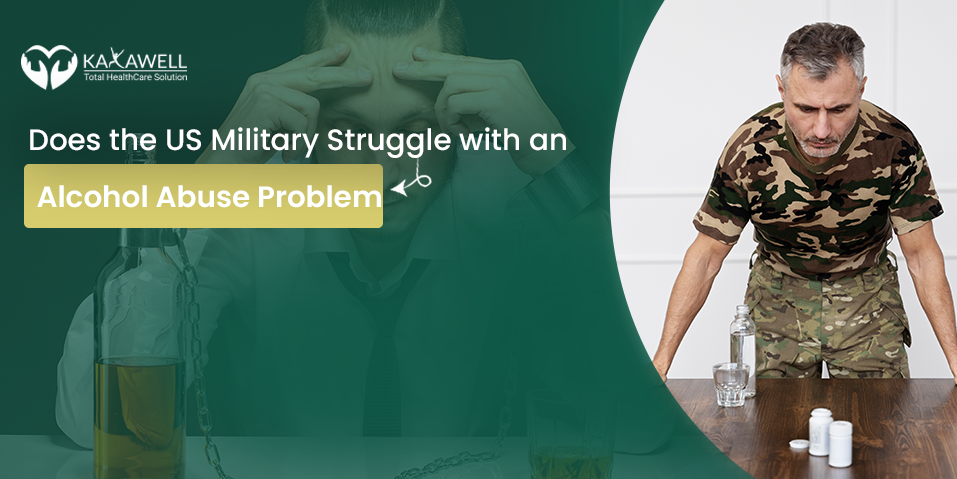
Does the US Military Struggle with an Alcohol Abuse Problem?
Alcohol has long been a part of military culture, from toasts at formal dinners to beers shared among peers after deployments. But beneath this camaraderie lies a serious alcohol abuse problem in the U.S. military.
This article from KayaWell explains the scale of this problem, including considerations of cultural traditions, stress factors, mental health and barriers to treatment for uniformed people.
The Scope of Alcohol Use in the Military
Service members tend to have a higher rate of heavy drinking than civilians at nearly every age and across all races. About one in three active duty personnel are considered to be binge drinkers – according to the National Institute on Drug Abuse (NIDA), men hold a minimum of five drinks or more at one time and women hold four or more drinks at one time. Among people in specific, young enlisted men under age 25, this rate is even higher.
Military family culture The general cultural feeling of a strong emotional unit around one another along with the common struggle of overcoming military challenges has created a uniquely American setting for beer, wine and other forms of alcohol to be accepted as part of a culture that has historically normalized drinking to celebrate or avoid isolation. Thus problem drinking in the military might unintentionally be well tolerated or encouraged by many people.
Why Alcohol Misuse Persists Among Service Members
Several key factors contribute to the persistence of alcohol misuse within the armed forces:
1. Stress and Trauma Exposure
Military life is inherently stressful. The years of deployments, separation from loved ones, and the possibility of death are all very difficult on the psychological level. Many service members experience post traumatic stress disorder (PTSD), depression, or anxiety after combat or other traumatic events. Alcohol may temporarily mask these feelings but over time reliance on alcohol worsens symptoms and eventually lead to dependence.
2. Stigma Around Mental Health Care
It is no secret that mental illness in the military is a frequent issue, but with more awareness and initiatives being made to improve its treatment, stigma itself has become an obstacle for many. For example, service members may fear the loss of their security clearance or even worse, they may feel like they are being used by people who don’t understand the issue at all.
3. Accessibility and Tradition
It ‘s because alcohol is easily accessible in and around military bases ( which are often cheaper than in civilian places ) and it ‘s a relatively ancient tradition to drink at social functions or unit celebrations so there ‘s a lot of that to go around.
4. The Reintegration Challenge
If you have any questions or concerns about alcohol during service, or need assistance transitioning from deployment, ask a health care provider. You may also speak with your physician or case manager to determine the best course of treatment for your adolescent in the context of your specific situation and his or her symptoms.
How Alcohol Abuse Impacts the Military
Alcohol misuse impacts not only on individual service personnel but also upon the operational readiness and unit cohesion of large units as a whole.
- Decline in performance and discipline: Intoxication or hangovers can impair judgment and reduce mission effectiveness.
- Increased accidents and injuries: Alcohol-related incidents, including drunk driving charges among service members, remain a leading cause of preventable injuries in the military.
- Relationship and family strain: Alcohol abuse can lead to domestic conflict, financial stress, and divorce, all of which impact morale and mental well-being.
- Higher rates of suicide and mental health crises: Alcohol use is linked with depression and suicidal thoughts, thereby increasing risk of self-harm in those at high risk.
As noted above, the Department of Defense has made efforts to address these concerns through preventive programs, early intervention programs and expanding access to behavioral health services. However, systemic issues and cultural issues still exist.
Comparing Military and Civilian Alcohol Use
While alcohol abuse is a nationwide problem, it tends to be treated very differently in the military. Civilians do get some sort of workplace / legal punishment for any alcohol abuse, but in the military environment such punishment is much more rare – service members are also commonly exposed to stressors that civilians do not – such as combat or prolonged separation from loved ones.
Also, because these stories can be quite intense, alcohol seems like a particularly effective temporary coping mechanism. Thus this may explain why studies have found that over a similar age group, civilians are much more likely to be binge drinking than are military personnel.
Shifting the Culture Around Drinking
One of the biggest challenges in trying to reduce alcohol abuse in the military is changing the culture around it. In so many units the link between alcohol and friendship, tradition, and celebration is quite strong so efforts at changing that culture must focus on finding healthy coping mechanisms and other ways of building connection.
Many military branches have begun to implement program initiatives that emphasize education, peer mentoring and accountability for senior leadership. For example, commanding officers are urged to encourage responsible drinking behavior and develop unit activities that are not focused on alcohol.
Additionally, the use of “zero tolerance” campaigns and base level prevention programs have strived to limit excessive drinking while offering counseling and treatment options. But changing a culture is far from a quick fix especially if you’re working in an institution that is as traditionally conservative as the United States military.
Alcohol and Co-Occurring Disorders Among Veterans
Alcohol abuse is often difficult to treat after service members have been made veterans, as many veteran suffer from PTSD, depression, chronic pain, or have experienced violent brain injuries, all of which also make them more likely to abuse alcohol. The U. S. Department of Veterans Affairs (VA) offers integrated treatment programs for both mental health and addiction that address the fact that it’s extremely linked.
At the same time, sadly, not all veterans are able to benefit from these services. Because of the difficulty of finding such services in rural areas, many individuals may not know that they have options. They may be unaware of what services exist for rural vets, or may fear institutional care because they do not feel comfortable trusting someone in an institution.
Efforts to Reduce Alcohol Misuse in the Armed Forces
Recognizing the scale of the problem, the Department of Defense has taken several steps to curb alcohol misuse:
- Comprehensive screenings: Military testing for alcohol and drugs is included in routine health assessments to identify risk early.
- Education campaigns: Programs like “That Guy” and “Own It” promote awareness of binge drinking risks and encourage responsible choices.
- Leadership training: Commanders are taught how to recognize warning signs and referral of service members to medical care.
- Confidentiality counseling services: (40) Increased anonymity in mental health services reduces concerns about professional harm.
- Family support programs: Because alcohol abuse is frequent in both spouses and children, family-based interventions are becoming a larger part of military health care.
While these measures have shown promise, their effectiveness depends heavily on enforcement, follow-through, and the willingness of leadership to prioritize prevention as a long-term commitment.
What Can Be Done to Improve Outcomes?
Reducing alcohol abuse in the military requires a multifaceted approach that goes beyond individual responsibility. Systemic solutions include:
- Expanding access to treatment: Ensure that all service members and veterans have access to affordable, confidential addiction care, including inpatient and outpatient programs.
- Reducing stigma: Normalize mental health care through education and peer advocacy. Service members should feel supported, not judged, for seeking help.
- Improving data collection: Regular and transparent reporting on alcohol-related incidents can help track progress and identify areas needing intervention.
- Promoting healthy coping skills: Stress management training, physical activity, and mindfulness programs can serve as alternatives to drinking.
- Involving families and communities: Support networks play a vital role in helping individuals recover and maintain sobriety.
The Role of Leadership and Accountability
The most powerful influence on alcohol policy is leadership from non-commissioned officers to the highest ranking commanders. When leaders are open to discussing substance abuse issues and prioritize health and safety, stigma will be broken and relations will become more supportive.
On the other hand, if alcohol misuse is ignored or is dismissed as “part of the job, ” it reinforces harm. Accountability must therefore be balanced with compassion, in order to ensure that service members receive both punishments for misconduct and pathways to recovery.
The Alcohol Abuse Problem in The US Military
Does alcohol abuse exist in the U. S. military? The answer is, as decades of research and internal acknowledgment reveal, yes. Alcohol misuse exists, and continues to exist, as a significant and continuing problem for the armed forces, both intimately linked with stress, trauma and community custom.
There’s been some significant progress, however, because of the growing awareness of this problem and as the military continues to evolve (with greater emphasis on mental health, family support, and overall wellness), there is real potential to mitigate alcohol-related harm and to develop a culture of resilience.
You have to build those skills, you have to develop empathy and you have to hold onto that leadership position for a long time to keep any hope afloat for service members who might otherwise go on to depend on alcohol as their salvation.
