

Foot Health Habits That Keep You Active As You Age
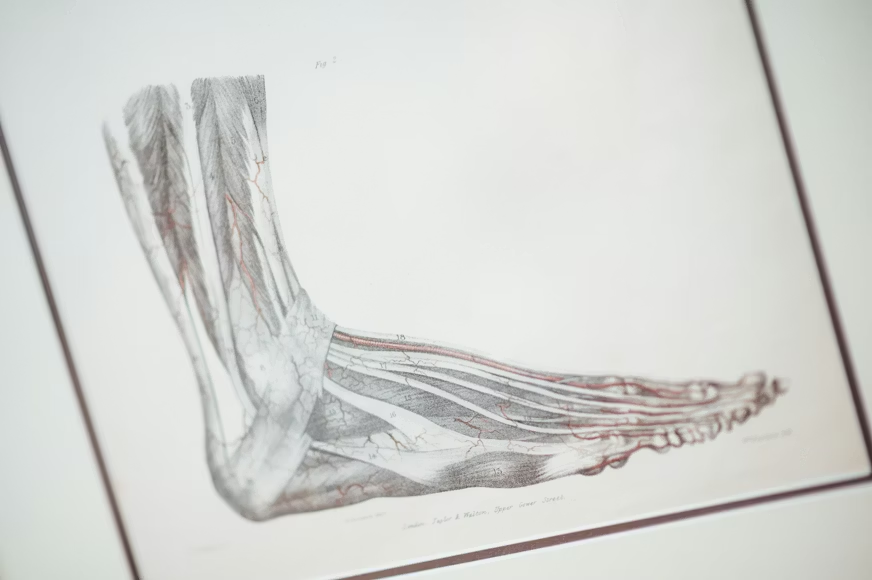
You may expect certain changes as you get older, but one that can catch you off guard is foot pain. In fact, one in four adults over 65 have sore or stiff feet on a regular basis. When you think about it, it’s not hard to understand why this is. Our foot joints and muscles naturally weaken with age, and the skin gets thinner. Add in all the years of walking and maybe also wearing the wrong shoes, and it’s no wonder our feet start to complain. But the good news is foot problems aren’t inevitable. With the right foot health habits such as good footwear, simple exercises, and regular checks—you can keep your feet happy and mobile for years to come.
Choose the right shoes
Research has found that older adults can improve their balance and lower their risk of falls by wearing shoes that fit well and offer proper support. But what makes a shoe right for you? For starters, look for ones with a roomy toe box, so your toes can spread out comfortably. This helps prevent discomfort and tightness. Cushioned soles are also a must, as these absorb the impact of each step, which keeps you comfortable as you walk. Also, don’t forget non-slip soles. With these, you’re less likely to fall on smooth or slippery floors. The same principles also apply to slippers. These should likewise fit your feet properly and have cushioned soles and a good grip. To further avoid falls, it’s also generally a good idea to avoid walking around your home in just socks or bare feet.
Check your feet for changes
Also, give your feet a regular once-over, at least once a week. Try gently pressing around the soles and joints to see if anything feels sore or stiff. One thing to keep an eye out for is bunions: those bony lumps that can develop on the sides of your feet. Bunions affect over 35% of people over 65, and tend to form slowly. Although they might not cause problems for years, bunions can eventually start to hurt and make it difficult to walk. If that’s the case for you, surgery can be a good solution. A recent meta-analysis found that bunion surgery results in a speedy recovery and better quality of life in older patients, which means you could walk comfortably again in just a few weeks. Fortunately, bunion surgery itself is a fairly simple procedure: it removes the extra bone growth to restore your foot’s natural range of motion, so you can move confidently again.
But it’s not just bunions you need to look out for. Corns and calluses can also start to cause mobility issues. If you do notice any unusual changes to your feet, make an appointment with a podiatrist. When you catch issues early on, you can avoid discomfort and future problems.
Keep your feet active
Moving your feet everyday is key to flexible joints and strong muscles. Daily walks are perfect, but even just a little bit of movement at home can do much to reduce stiffness and prevent injury. For example, periodically get up and walk around your home. Or simply sit down and wiggle your toes. This easy move keeps the tiny muscles in your foot active and blood flowing, so your feet stay flexible. You can also roll a small ball under your foot. This loosens up your arches and soothes tired muscles. The more you keep your feet moving, the less likely you are to feel sore or stiff as time goes on.
Feet can change with age, but soreness doesn’t have to be inevitable. With the right healthy foot habits, you can stay happy and mobile for years to come.