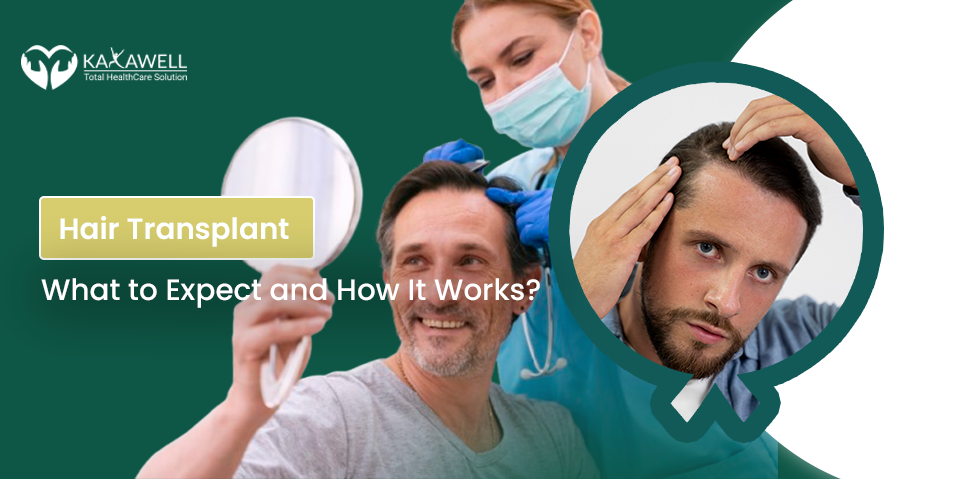
Hair Transplant: What to Expect and How It Works?
Hair loss is a common concern affecting both men and women, often impacting confidence and self-image. Thanks to advancements in modern medicine, hair transplant procedures have become a safe, effective, and long-lasting solution for restoring natural hair growth. If you are considering a hair transplant, understanding how it works and what to expect can help you make an informed decision. It also helps to compare accredited hair transplant clinics on technique, surgeon experience and reviews before deciding.
What Is a Hair Transplant?
A hair transplant is a minimally invasive surgical procedure that involves moving hair follicles from one part of the body (usually the back or sides of the scalp) to areas experiencing thinning or baldness. The transplanted hair is typically resistant to hair loss, making the results permanent. This procedure is commonly used to treat:
- Male pattern baldness
- Female hair thinning
- Receding hairlines
- Bald patches due to injury or scarring
Source: https://www.dotclinics.pk/hair-transplant
How Does a Hair Transplant Work?
The process of a hair transplant revolves around extracting healthy hair follicles and implanting them into areas with little or no hair. There are two main techniques used:
1. Follicular Unit Extraction (FUE)
In this modern method, individual hair follicles are extracted directly from the donor area using a micro-punch tool. These follicles are then carefully implanted into the recipient area.
Benefits of FUE:
- No visible linear scar
- Faster healing time
- Minimal discomfort
- Natural-looking results
2. Follicular Unit Transplantation (FUT)
This technique involves removing a small strip of scalp from the donor area, from which hair follicles are extracted and transplanted.
Benefits of FUT:
- Suitable for larger areas of hair loss
- High number of grafts in a single session
What conditions does hair restoration surgery treat?
There are many reasons you might lose your hair. Sometimes hair loss is temporary, but it can be permanent. Hair implants may help with permanent hair loss caused by:
- Alopecia areata is an autoimmune disease that attacks hair follicles.
- Androgenic alopecia, or pattern baldness.
- Thyroid diseases or hormonal imbalances.
- Traumatic injuries or burns.
Step-by-Step Procedure
1. Consultation and Assessment
Your journey begins with a detailed consultation. The specialist evaluates your scalp, hair density, and medical history to determine the best treatment plan. At Dot Clinics, this step includes designing a natural hairline tailored to your facial structure and expectations.
2. Preparation
On the day of the procedure:
- The scalp is cleaned and numbed with local anesthesia
- The donor and recipient areas are prepared
3. Extraction of Hair Follicles
Depending on the chosen method (FUE or FUT), hair follicles are carefully harvested from the donor area.
4. Implantation
Tiny incisions are made in the recipient area, and the extracted follicles are implanted with precision to ensure proper direction, angle, and density.
5. Post-Procedure Care
After the procedure, patients receive instructions for care, including:
- Avoiding direct sun exposure
- Gentle washing techniques
- Medications to prevent infection and swelling
What to Expect After the Procedure
Immediate Recovery
- Mild swelling and redness may occur for a few days
- Tiny scabs form and fall off within 1–2 weeks
- Most patients return to normal activities within a few days
Shedding Phase (Shock Loss)
It’s normal for transplanted hair to shed within the first few weeks. This is temporary and part of the natural growth cycle.
New Hair Growth
- New hair starts growing within 3–4 months
- Noticeable improvement appears by 6 months
- Full results are visible in 9–12 months
Results: What Makes Them Natural?
Modern techniques ensure that transplanted hair blends seamlessly with your natural hair, making it virtually undetectable. A successful hair transplant depends on:
- Proper hairline design
- Skilled placement of follicles
- Matching hair direction and density
Advanced Hair Transplant Treatments
Modern hair restoration has moved far beyond traditional methods. Today’s advanced hair transplant treatments focus on precision, faster healing, higher graft survival, and more natural-looking results. These innovations combine surgical expertise with cutting-edge technology to deliver the best possible outcomes.
At leading centers like Dot Clinics in Lahore, Pakistan, advanced techniques are used to customize each procedure according to the patient’s hair type, pattern of hair loss, and expectations.
1. Sapphire FUE
An upgraded version of traditional FUE, where sapphire blades are used instead of steel blades to create tiny incisions.
2. Direct Hair Implantation (DHI)
A refined technique where hair follicles are implanted directly using a specialized implanter pen, without pre-made incisions.
3. Robotic Hair Transplant
A technology-driven procedure using robotic systems (like ARTAS) to assist in extracting hair follicles with high accuracy.
4. Platelet-Rich Plasma (PRP) Therapy
A non-surgical regenerative treatment where your own blood is processed to extract growth factors and injected into the scalp.
5. Exosome Hair Therapy
A next-generation regenerative treatment using exosomes—tiny particles that carry growth factors and signals to stimulate hair follicles.
Benefits of Hair Transplant
Hair transplant in Lahore offers a permanent and natural solution for hair loss. Beyond improving appearance, they can have a significant positive impact on confidence and quality of life. Here are the key benefits:
1. Permanent Solution
The transplanted hair comes from areas resistant to hair loss, so it grows naturally for a lifetime, unlike temporary treatments like wigs or medications.
2. Natural-Looking Results
Advanced techniques like FUE and DHI ensure hair is implanted in the natural direction, angle, and density, giving a seamless and authentic appearance.
3. Boosts Confidence and Self-Esteem
Restoring your hairline can improve self-image and confidence, helping you feel more comfortable in personal and professional situations.
4. Low Maintenance
Once the transplanted hair grows, it can be washed, styled, and treated just like natural hair, with no special products or daily upkeep required.
5. Safe and Minimally Invasive
Modern hair transplant methods are safe, with minimal pain, quick recovery, and a low risk of complications when performed by experienced specialists.
6. Cost-Effective in the Long Term
Though the initial investment may be higher, hair transplants eliminate the ongoing costs of medications.
Conclusions
A hair transplant is not just about restoring hair—it’s about restoring confidence, self-esteem, and a natural, lasting solution to hair loss.
FAQS
1. Is a hair transplant permanent?
Yes, a hair transplant is a permanent solution. The transplanted hair follicles are taken from areas resistant to hair loss, so they continue to grow naturally for a lifetime.
2. Is the procedure painful?
No, the procedure is performed under local anesthesia, so you won’t feel pain during the treatment. Some mild discomfort or soreness may occur after the procedure, but it usually subsides within a few days.
3. When will I see results?
You may notice initial hair shedding within a few weeks (this is normal). New hair growth typically starts around 3–4 months, with visible improvement by 6 months and full results in 9–12 months.
4. Are there any side effects?
Hair transplant procedures are generally safe. Temporary side effects may include mild swelling, redness, or scabbing, which usually heal within a short time.
5. Who is a good candidate for a hair transplant?
Anyone with stable hair loss and sufficient donor hair is a good candidate. Both men and women can benefit, but a consultation with a specialist is important to determine suitability.