
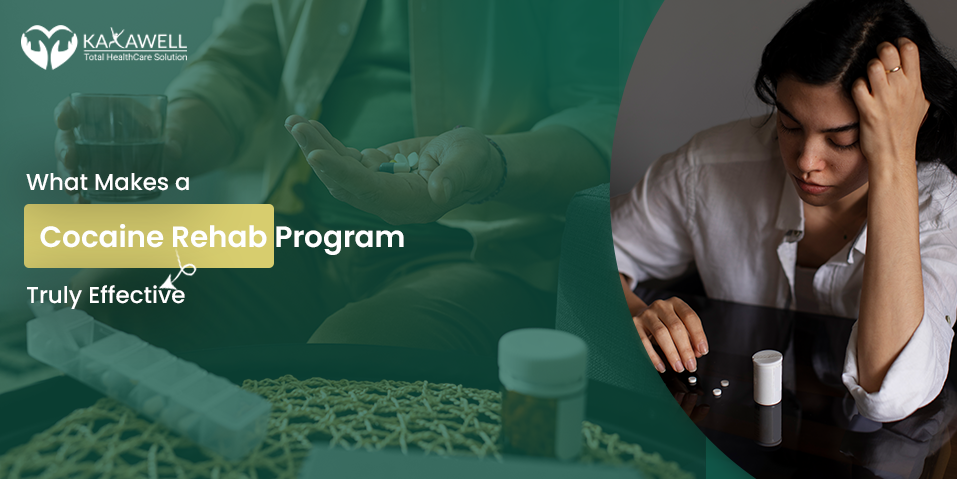
What Makes a Cocaine Rehab Program Truly Effective
Cocaine rehab is often the turning point where chaos begins to make sense again. I remember a friend telling me how his life slowly slipped out of control without him even realising it.
It started with weekend use, then late nights, then missed work, and eventually broken trust with his family. By the time he admitted he needed help, he wasn’t just dealing with substance use; he was dealing with guilt, anxiety, and a complete loss of direction. That’s where a truly effective recovery program makes all the difference.
Understanding Why People Struggle to Quit
- Addiction is rarely just about the substance.
- People often turn to stimulants for energy, confidence, or escape from stress, which is why many eventually seek professional cocaine rehab support to regain control of their lives.
- Over time, the brain rewires itself to depend on that artificial boost.
- What begins as a choice becomes a pattern, and then a necessity.
- I’ve seen individuals who were high-performing professionals suddenly unable to function without it.
- They weren’t weak.
- They were caught in a cycle their brain had learned to depend on.
- Breaking that cycle requires more than willpower, and exploring structured support like cocaine rehab can provide the tools needed to regain control.
The First Step: Honest Assessment
- An effective program always starts with a real, no-filter assessment.
- This means understanding not just how often someone uses, but why they use. Triggers matter.
- Stressful jobs, unresolved trauma, social pressure, or even boredom can all play a role.
- One person I spoke to said his biggest trigger wasn’t parties. It was loneliness after work.
- Once that was identified, the entire approach to his recovery changed.
Personalized Treatment Plans Matter
- There is no one-size-fits-all solution.
- A strong recovery program adapts to the individual.
- Some people need structured inpatient care.
- Others benefit from outpatient therapy combined with daily routines.
- The difference between success and relapse often comes down to how tailored the plan is.
- Generic approaches tend to miss the deeper issues.
- Personalized care gets to the root.
Therapy That Goes Beyond Surface-Level
- Talk therapy is a core part of recovery, but not all therapy is equal.
- Cognitive behavioral therapy helps people recognize harmful thought patterns.
- Group sessions create a sense of shared experience and accountability.
- I once sat in on a group session where someone admitted they relapsed after a stressful week.
- Instead of judgment, the room responded with understanding and practical advice.
- That kind of environment builds resilience.
- It replaces shame with support.
The Role of Structure and Routine
- Addiction thrives in chaos.
- Recovery thrives in structure.
- Daily schedules, consistent sleep, healthy meals, and physical activity all play a role.
- It might sound simple, but rebuilding routine is powerful.
- One recovering individual said the hardest part wasn’t quitting.
- It was learning how to fill the empty hours afterward.
- Structure gave those hours purpose.
- Purpose reduces the urge to fall back into old habits.
Addressing Mental Health Alongside Addiction
- Substance use and mental health are often deeply connected.
- Anxiety, depression, and unresolved trauma can fuel dependency.
- Ignoring these issues makes long-term recovery harder.
- Effective programs treat both at the same time.
- I’ve seen people make incredible progress once their anxiety was properly managed.
- Without that constant internal pressure, the urge to use started to fade.
Building Real-World Coping Skills
- Recovery doesn’t happen in isolation.
- People need tools they can use in everyday life.
- This includes handling stress, saying no in social situations, and managing cravings.
- One technique that stood out to me was urge surfing.
- Instead of fighting a craving, you observe it, let it rise, and watch it pass.
- It sounds simple, but it gives people a sense of control.
- Control is something many feel they’ve lost.
The Importance of Support Systems
- No one recovers alone.
- Family, friends, and peer groups all play a role.
- But support needs to be healthy and consistent.
- I’ve seen cases where people returned to the same environment that triggered their use.
- The result was predictable.
- Strong programs help individuals build new support networks.
- These networks reinforce positive change instead of pulling them back.
Long-Term Aftercare Is Not Optional
- Recovery doesn’t end when treatment ends.
- In many ways, that’s when the real work begins.
- Aftercare programs provide ongoing guidance and accountability.
- This might include weekly counseling, support groups, or check-ins.
- One person described aftercare as a safety net.
- Not something you rely on forever, but something that catches you when you slip.
- That safety net can be the difference between a setback and a full relapse.
Finding the Right Program
- Choosing the right program can feel overwhelming.
- There are many options, and not all of them offer the same level of care.
- It’s important to look for programs that focus on individualized treatment, mental health integration, and long-term support.
- Take the time to ask questions and understand what’s included before making a decision.
- The right fit can change everything.
What Real Recovery Looks Like
- Recovery isn’t a straight line.
- There are ups and downs, good days and difficult ones.
- But progress is possible.
- I’ve seen people rebuild their careers, repair relationships, and rediscover who they are without substances.
- One person told me the biggest change wasn’t just quitting.
- It was feeling present in their own life again.
- That’s what effective treatment aims for.
- Not just stopping use, but creating a life worth staying sober for.
Final Thoughts
- A truly effective program goes beyond detox and temporary change.
- It focuses on the person as a whole.
- It addresses the mind, the habits, and the environment.
- When all of those pieces come together, recovery becomes sustainable.
- And for many, it becomes the start of a completely new chapter.