
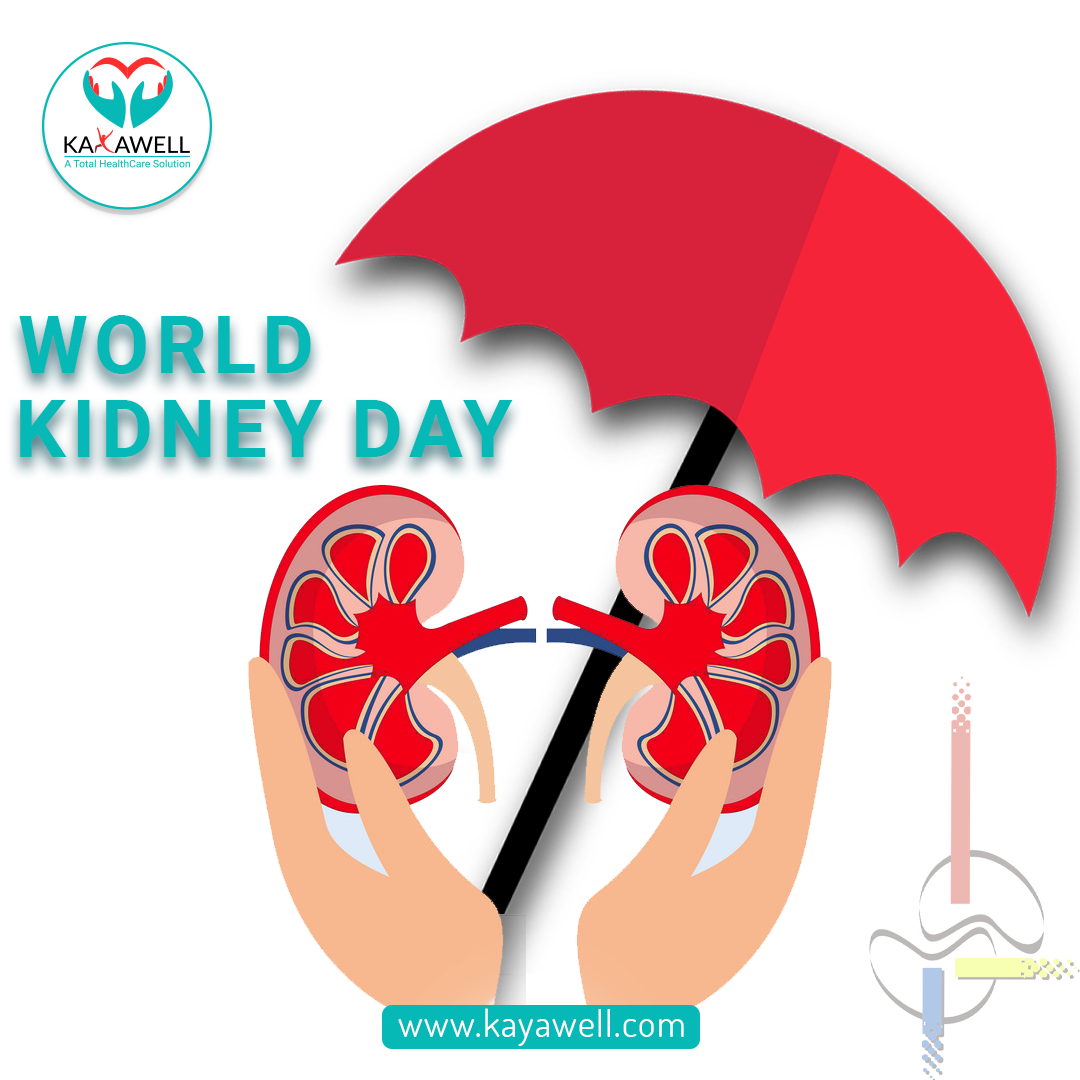
World Kidney Day: Importance of Kidney Health and Awareness
World Kidney Day is observed on the second Thursday of March to raise global awareness about the importance of kidney health. Kidneys play a vital role in maintaining the body’s overall balance and removing waste from the bloodstream. However, kidney diseases are becoming increasingly common worldwide.
According to global health statistics, around 1 in 10 people suffer from some form of kidney disease. Many people remain unaware of the risks and symptoms until the condition becomes severe. World Kidney Day serves as an important reminder for individuals to prioritize kidney health, adopt healthier lifestyles, and seek early medical care when needed.
What is World Kidney Day?
World Kidney Day is a global awareness campaign dedicated to educating people about kidney health and preventing kidney-related diseases. The initiative aims to highlight the importance of early diagnosis and encourage individuals to take preventive steps to protect their kidneys.
The campaign was jointly established by the International Society of Nephrology (ISN) and the International Federation of Kidney Foundations (IFKF). Through educational programs, health campaigns, and community initiatives, the day helps spread knowledge about kidney disease prevention and management worldwide.
Why Are Kidneys Important for the Human Body?
Kidneys are two bean-shaped organs located on either side of the spine. Although small in size, they perform several essential functions that keep the body healthy.
Major Functions of the Kidneys
- Filtering Waste and Toxins: Kidneys remove waste products and excess fluids from the blood through urine.
- Maintaining Fluid Balance: They regulate the amount of water in the body.
- Regulating Blood Pressure: Kidneys help control blood pressure by balancing fluids and releasing important hormones.
- Producing Hormones: They produce hormones that support red blood cell production and bone health.
- Balancing Electrolytes: Kidneys maintain the proper levels of minerals like sodium, potassium, and calcium.
Healthy kidneys are essential for maintaining the body’s internal balance and ensuring proper organ functioning.
Common Kidney Diseases and Health Issues
Several health conditions can affect kidney function. Some of the most common kidney-related diseases include:
Chronic Kidney Disease (CKD)
Chronic Kidney Disease is a long-term condition where the kidneys gradually lose their ability to filter waste from the blood. It often develops slowly and may not show symptoms in the early stages.
Kidney Stones
Kidney stones are hard mineral deposits that form inside the kidneys. They can cause severe pain and discomfort while passing through the urinary tract.
Kidney Infections
Kidney infections occur when bacteria enter the urinary tract and spread to the kidneys. If untreated, these infections can cause serious complications.
Kidney Failure
Kidney failure happens when the kidneys lose their ability to function properly. In severe cases, patients may require dialysis or a kidney transplant to survive.
Risk Factors That Can Affect Kidney Health
Several factors can increase the risk of developing kidney disease. Understanding these risks can help individuals take preventive steps.
Common risk factors include:
- Diabetes
- High blood pressure
- Obesity
- Unhealthy eating habits
- Smoking and alcohol consumption
- Family history of kidney disease
People with these conditions should regularly monitor their kidney health and consult healthcare professionals when necessary.
Signs and Symptoms of Kidney Problems
Kidney diseases often develop silently, especially in the early stages. However, some warning signs may indicate kidney problems, including:
- Persistent fatigue or weakness
- Swelling in the feet, ankles, or hands
- Changes in urination patterns
- High blood pressure
- Nausea or loss of appetite
If these symptoms appear frequently, it is important to seek medical advice and undergo proper diagnostic tests.
Tips to Keep Your Kidneys Healthy
Maintaining kidney health requires adopting healthy daily habits. Some simple lifestyle changes can significantly reduce the risk of kidney disease.
Here are some important tips:
- Stay Hydrated: Drink enough water to help kidneys remove toxins from the body.
- Eat a Balanced Diet: Include fruits, vegetables, and whole grains in your meals.
- Exercise Regularly: Physical activity helps maintain healthy blood pressure and weight.
- Control Blood Sugar and Blood Pressure: Proper management of these conditions protects kidney function.
- Reduce Salt Intake: Excess salt can increase blood pressure and harm kidneys.
- Avoid Excessive Painkillers: Overuse of certain medications can damage kidney tissues.
- Schedule Regular Health Checkups: Early screening helps detect kidney problems before they become severe.
Importance of Early Diagnosis and Treatment
Early detection is crucial in preventing serious kidney damage. Regular health checkups and kidney function tests can help identify problems before symptoms become noticeable.
Individuals with diabetes, high blood pressure, or a family history of kidney disease should undergo regular screening. Early diagnosis allows doctors to recommend lifestyle changes and treatments that can slow the progression of kidney disease.
Kidney Donation and Transplant Awareness
Kidney transplantation is often the most effective treatment for patients with end-stage kidney failure. Unfortunately, many patients wait for long periods due to the shortage of donor organs.
Raising awareness about organ donation can help save countless lives. By encouraging kidney donation and educating people about transplantation, society can offer hope to patients suffering from kidney failure.
How World Kidney Day Spreads Awareness
World Kidney Day plays a significant role in educating people about kidney health through various initiatives such as:
- Public health campaigns
- Free medical check-up camps
- Educational programs and seminars
- Social media awareness campaigns
- Community health events
These initiatives encourage individuals to take proactive steps toward protecting their kidney health.
Frequently Asked Questions (FAQs)
1. When is World Kidney Day observed?
World Kidney Day is observed every year on the second Thursday of March to promote kidney health awareness worldwide.
2. Why is kidney health important?
Kidneys help remove waste, regulate blood pressure, balance body fluids, and maintain overall health.
3. What are the early signs of kidney disease?
Early symptoms may include fatigue, swelling in the legs or ankles, frequent urination, high blood pressure, and loss of appetite.
4. How can I keep my kidneys healthy?
You can maintain kidney health by staying hydrated, eating a nutritious diet, exercising regularly, managing blood pressure and blood sugar, and getting regular medical checkups.
5. Who is at higher risk of kidney disease?
People with diabetes, high blood pressure, obesity, family history of kidney disease, and unhealthy lifestyle habits are at higher risk.
6. Can kidney disease be prevented?
Yes, many kidney diseases can be prevented through healthy lifestyle choices, early detection, and regular health screenings.