
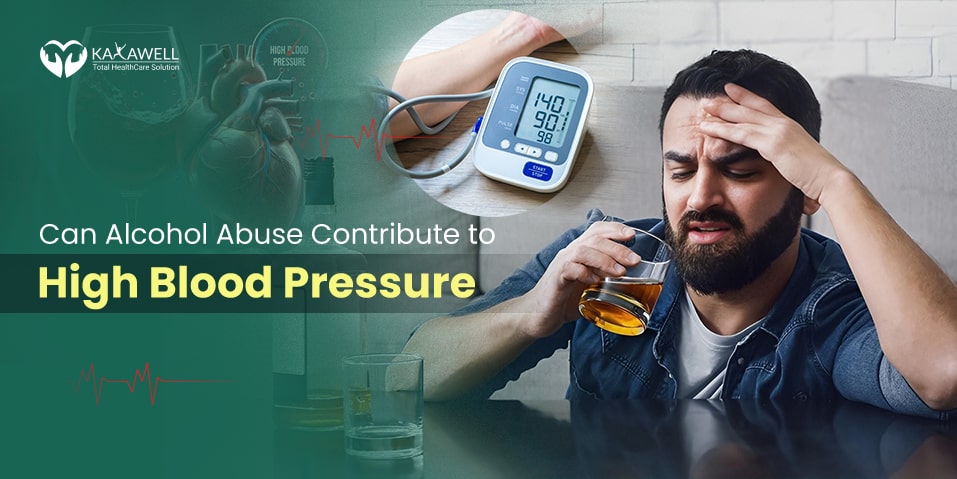
Can Alcohol Abuse Contribute to High Blood Pressure?
High blood pressure or hypertension is often known as the “silent killer. ” Here too, it can occur without any obvious symptoms but increases your risk of heart disease, stroke and other serious health problems. While many people know that diet and exercise play a major role in blood pressure, few know that alcohol abuse is a significant risk factor for high blood pressure.
Yes, alcohol abuse can play a large part in high blood pressure. Regular heavy drinking puts too much stress on the cardiovascular system, disrupts normal blood pressure regulation and increases risk of long term hypertension. Even moderate drinking has impact on blood pressure levels, particularly over time or combined with other risk factors.
Knowing this is crucial not only for those who are struggling with alcohol misuse but also for families as they begin the complex process of getting a loved one the help they need to drink. In this article Kayawell will teach you the key details about how alcohol abuse affects the body to help you understand how vital it is that you get treatment and thus help enhance your health outcomes.
How Alcohol Affects Blood Pressure
Alcohol affects the body in many different ways, but at the high blood pressure level there are a few key mechanisms that are of particular interest: drinking alcohol causes the blood vessels to dilate ( constrict ) and increases the production of stress hormones and changes in electrolytes / fluids in the body, all of which increase blood pressure.
In addition, chronic alcohol use affects the nervous system’s ability to regulate vascular tone and heart rate; over time, these effects could lead to sustained hypertension, particularly with heavy or frequent alcohol use.
For people who already have high blood pressure, alcohol can make it harder to control it (with medication) and decrease the effectiveness of lifestyle changes intended to control high blood pressure, including diet and exercise.
The Long-Term Risks of Alcohol-Induced Hypertension
Having high blood pressure from alcohol abuse isn’t something you can just blame on, though. It’s associated with a variety of long-term health problems, including heart attack, stroke, kidney damage and cognitive decline, and they increase further when it goes unrecognized or untreated for years.
One of the biggest challenges is that alcohol-induced hypertension can be reversible in its early stages (if the drinking is stopped) but as time goes on, the body adjusts to the stress and the damage becomes more permanent. That’s why it’s so important when it comes to getting a loved one help for alcohol. Being able to spot the problem early may help reduce / eliminate the added risk of high blood pressure.
Does the Type or Quantity of Alcohol Matter?
It ‘s a widely accepted myth that certain types of alcohol are safer for your blood pressure than others. Red wine consumption in moderation has been promoted for its heart health benefits, but drinking any amount of alcohol too much ( whatever form it ‘s in ) can raise blood pressure.
This risk starts to increase with over one drink per day for women (and two drinks per day for men), as well as binge drinking (drinking several drinks in a short time). This is particularly dangerous as sudden spikes in blood pressure can happen, and these are often long-term consequences.
Hence even though occasionally moderate drinking would not create a major increase in blood pressure for some people, any type of alcohol abuse would put a strain on the cardiovascular system.
Alcohol Withdrawal and Blood Pressure Spikes
It ’s also helpful to know what the effect of alcohol withdrawal can be on blood pressure. People who have a long history of alcohol dependence can suddenly stop drinking and their body may produce an increase of symptoms of withdrawal, including an unsafe increase in blood pressure.
That’s one of the reasons you need medically supervised detox. You can get detox in a secure place like South Shores Detox that you can monitor the withdrawal symptoms and be taken care of by professionals so complications like hypertension are caught early on.
What many families think about when they consider getting their loved ones help for alcoholism is the potential strege of detox (which can be physically and emotionally heavy), but with proper medical treatment, you have no direct threat and the road to recovery can begin on the right foot.
Is High Blood Pressure Reversible After Quitting Alcohol?
One of the most promising aspects of alcohol-related hypertension is that, in many cases, it will improve or even go back to normal after a cessation of alcohol use. Studies have shown that blood pressure drops within hours to a few days after sobriety (depending on how much alcohol was consumed and other preexisting health problems).
Of course it ‘s different for everyone; age, genetics, lifestyle, length of alcohol abuse all have a role in how quickly ( or completely ) the blood pressure returns. However there is a huge chance of improvement and so much that people will work to get help.
If a loved one is showing signs of alcohol addiction and is also having heart health issues it becomes even more important that we address both of those issues at the same time.
Barriers to Getting Help—and How to Overcome Them
Dealing with a loved one who is abusing alcohol can be overwhelming, as it can also involve physical health problems (ex. high blood pressure). Emotional blockages, logistical barriers or financial difficulty can prevent intervention.
There may be denial, shame, or self-confidence issues. Sometimes the person may not realize that it’s damaging their health, or they may not want to seek medical attention. And sometimes family and friends may not know where to start or how to approach the person.
Medical risk, including the risk for high blood pressure, can help to move those hurdles out of the way. Make the need for help a “health problem” rather than a moral one, and reduce stigma and encourage action.
Treatment facilities like South Shores Detox can help with both the physical and psychological aspects of alcoholism. As a whole person treatment facility they focus on not only detox, but education, counseling and support for all the way beyond the first days of sobriety.
What to Watch For: Signs Alcohol May Be Affecting Blood Pressure
While having high blood pressure is not common until it has serious complications, there are some signs to watch out for especially if you are drinking alcohol regularly. These could include headaches, dizziness, blurry vision, fatigue or pain in the chest.
Well actually when these are present in someone who is drinking too much or getting on very frequently you should have their blood pressure checked. If you do not have the symptoms don’t perform routine blood pressure testing especially if your age is over 40 or you have a family history of high blood pressure.
If high blood pressure is found, it’s a very powerful indicator that the body may be experiencing stress (elements of alcohol may be contributing). A professional evaluation will help you figure out exactly what’s going on and what the next steps are.
The Role of Family in Supporting Recovery
Family members often come first when drinking or other health issues are tied to their alcohol use. Getting someone you love to seek help, especially when they’re not even aware of the dangers, can be life-saving. But how that conversation goes is important.
Take the initiative to talk about it with empathy, care & that includes the health outcomes ( blood pressure ). Being concerned for your loved one’s long-term well being and not basing the issue on the criticism is more likely to encourage listening & getting the treatment.
Provides like South Shores Detox also offer family support services, that provide participants with the tools to effectively communicate with family members and remain involved throughout treatment.
Connecting Alcohol Abuse to Better Health Outcomes
As you know, the link between alcohol abuse and high blood pressure is a pretty important one to have in the conversation about addiction and recovery. It’s not necessarily about behavior but rather the actual physical effects of continued use of the substance and the real effects that it has on your body.
The good news about alcohol use disorder & high blood pressure is that both can be treated. Both can be treated to return to normal. Blp can also usually be reduced. And for families seeking support, when you take the first step & get a loved one help for alcohol, it opens the door to healing, connection, and long term wellness.
