
Astaxanthin, Vitamin C, Vitamin E, Glutathione: Which Antioxidant Works Where and Why?
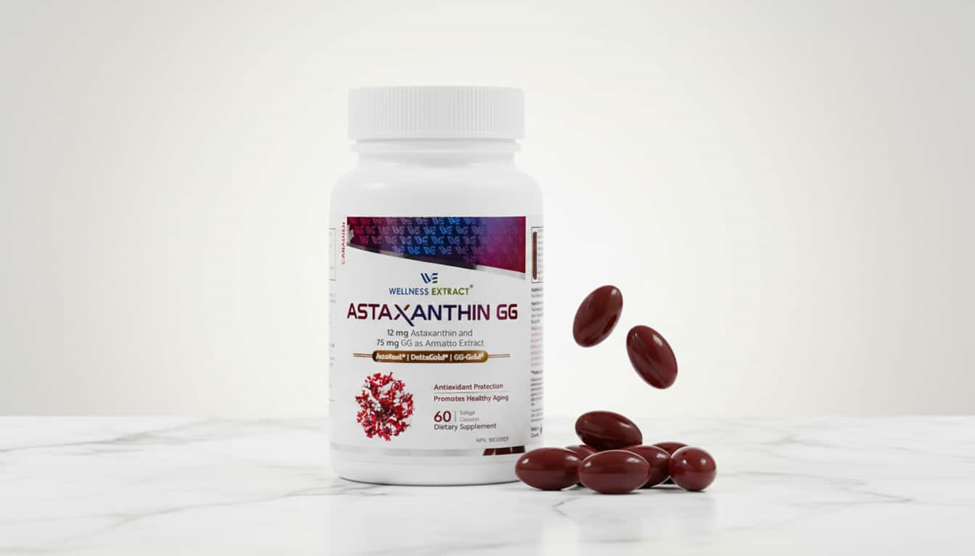
Astaxanthin helps protect your body from constant attacks by reactive molecules produced during normal metabolism, immune responses, and environmental exposures such as UV radiation and pollution. If left unchecked, these reactive species can damage lipids, proteins, and DNA, contributing to inflammation, fatigue, and accelerated ageing. [1]
This is where antioxidants come in; they’re your cells’ natural defense system, each specialized to operate in specific environments and protect cellular structures. But not all antioxidants are created equal. Some work best in cytosolic and aqueous cellular environments, others in fatty membranes, and some support detoxification processes deep inside mitochondria.
In this blog, we will discuss which antioxidant works where and why to maximize cellular protection and overall health.
Astaxanthin: Lipid-Soluble
Astaxanthin is a naturally occurring carotenoid pigment found in algae, salmon, krill, and shrimp. It is a lipid-soluble antioxidant, which primarily protects cell membranes and fatty structures from oxidative damage.
How Astaxanthin Works:
- Lipid membrane protection
Astaxanthin inserts across cell membranes. By stabilizing the membrane, it prevents lipid peroxidation, a chain reaction that can compromise cell integrity and function. [2]
- Neutralizing reactive oxygen species (ROS)
It neutralizes a wide range of ROS, including singlet oxygen, superoxide, and hydroxyl radicals, reducing oxidative stress at the cellular level.
- Anti-inflammatory signaling
Astaxanthin modulates key inflammatory pathways by influencing NF-κB and Nrf2 signaling, which can reduce chronic low-grade inflammation and protect tissues from oxidative damage.
- Mitochondrial support
By protecting mitochondrial membranes and reducing ROS in energy-producing organelles, astaxanthin supports maintaining ATP production efficiency and cellular energy metabolism.
Some of its key benefits are as follows:
- Reduces oxidative stress in cardiovascular, neural, and muscular tissues.
- Protects skin from UV-induced photoaging and inflammation.
- Supports eye health by reducing retinal oxidative damage.
- Improves endurance and speeds up recovery in active individuals by limiting muscle oxidative damage.
Vitamin C: Water-Soluble
Vitamin C (ascorbic acid) is a water-soluble antioxidant that primarily functions in aqueous environments, including the cytosol, blood plasma, and interstitial fluids. It plays a critical role in neutralizing reactive oxygen species (ROS) and supporting enzymatic processes that protect cellular structures. [3]
How Vitamin C Works:
- Direct ROS stabilization
Vitamin C donates electrons to unstable free radicals such as superoxide, hydroxyl radicals, and singlet oxygen, stabilizing them and preventing oxidative damage to DNA, proteins, and lipids in water-based cellular compartments.
- Regeneration of other antioxidants
It helps recycle oxidized Vitamin E, restoring its activity in lipid membranes, and interacts with glutathione to improve overall cellular redox balance.
- Helps in enzymatic reactions
Vitamin C is essential for the biosynthesis of collagen, carnitine, and certain neurotransmitters, supporting tissue integrity, energy metabolism, and neural function.
- Immune support
It is accumulated in immune cells such as neutrophils and lymphocytes, enhancing pathogen defense while protecting these cells from oxidative stress during immune responses.
Some of its key benefits are as follows:
- Protects DNA and proteins from oxidative modifications.
- Supports skin health by promoting collagen synthesis and reducing photoaging.
- Improves immune function and helps mitigate oxidative damage during infections.
- Contributes to cardiovascular health by reducing oxidative stress in blood vessels.
Vitamin E: Membrane Shield
Vitamin E refers to a group of lipid-soluble compounds (tocopherols and tocotrienols) that primarily protect cell membranes and lipoproteins from oxidative damage. Its lipophilic nature allows it to integrate into the phospholipid bilayer, making it a first line of defense against lipid peroxidation.
How Vitamin E Works:
- Prevents lipid peroxidation
Vitamin E donates electrons to lipid radicals formed in cell membranes, halting the chain reactions that can compromise membrane integrity.
- Works with Vitamin C
After neutralizing harmful toxins, Vitamin E becomes oxidized. Vitamin C can regenerate Vitamin E to its active form, maintaining continuous protection in both membrane and aqueous compartments.
- Supports immune and neurological function
By protecting membrane structures in immune cells and neurons, Vitamin E preserves cell signaling, reduces inflammation, and supports cognitive health.
- Protects lipoproteins
Vitamin E prevents oxidative modification of LDL cholesterol, which is a key factor in cardiovascular health.
Some of its key benefits are as follows:
- Reduces oxidative damage in cell membranes, particularly in neural, cardiovascular, and skin tissues.
- Supports healthy aging by protecting lipid-rich organs like the brain and eyes.
- Improves immune response by maintaining structural integrity of immune cells.
- Works well with other antioxidants for an overall protective effect.
Glutathione: Intracellular Antioxidant
Glutathione (GSH) is a tripeptide composed of glutamine, cysteine, and glycine, and is considered the body’s most important intracellular antioxidant. Unlike Vitamin C or E, glutathione operates primarily inside cells, protecting critical organelles like mitochondria and supporting detoxification pathways. [4]
How Glutathione Works:
- Direct ROS neutralization:
Glutathione donates electrons to reactive oxygen species, converting them into less reactive compounds and preventing oxidative damage to proteins, lipids, and DNA.
- Regeneration of other antioxidants:
GSH helps recycle oxidized forms of Vitamin C and E, amplifying the effect of overall antioxidant network.
- Detoxification support:
In the liver, glutathione conjugates with toxins and heavy metals, facilitating their elimination from the body.
- Mitochondrial protection:
By maintaining redox balance in mitochondria, glutathione supports ATP production and prevents mitochondrial dysfunction caused by oxidative stress.
Some of its key benefits are as follows:
- Reduces oxidative stress in virtually all tissues, especially liver, brain, and immune cells.
- Supports cellular repair and regeneration by protecting DNA and proteins.
- Enhances detoxification of environmental toxins and metabolic byproducts.
- Maintains energy metabolism and mitochondrial efficiency.
Antioxidants And Their Properties
| Antioxidant | Solubility / Location | Primary Mechanism | Key Benefits / Target Areas |
| Astaxanthin | Lipid-soluble; cell membranes, mitochondria | Neutralizes ROS, protects lipid membranes, modulates NF-κB & Nrf2 pathways | Protects membranes, reduces inflammation, supports mitochondrial energy, skin and eye health |
| Vitamin C | Water-soluble; cytosol, plasma, interstitial fluids | Direct ROS scavenging, regenerates Vitamin E, cofactor for collagen & neurotransmitter synthesis | Protects DNA/proteins, supports collagen formation, immune function, cardiovascular protection |
| Vitamin E | Lipid-soluble; cell membranes, lipoproteins | Prevents lipid peroxidation, works with Vitamin C to regenerate activity | Membrane stability, cardiovascular and neurological health, immune support, skin protection |
| Glutathione | Water-soluble; intracellular, mitochondria, liver | Direct ROS neutralization, regenerates antioxidants, supports detoxification | Protects DNA/proteins, detoxifies toxins/heavy metals, supports mitochondrial function and energy metabolism |
How To Choose the Right Antioxidant?
While all antioxidants work to neutralize reactive oxygen species (ROS), each one has specific strengths and target areas within the body. Understanding these differences can help you maximize cellular protection:
- Astaxanthin is ideal for lipid-rich areas, such as cell membranes and mitochondria. Its ability to reduce inflammation and prevent lipid peroxidation makes it especially valuable for skin, eyes, and cardiovascular tissues.
- Vitamin C is most effective in aqueous environments, including the cytosol, blood plasma, and interstitial fluids. It protects DNA and proteins, supports collagen synthesis, and boosts immune cell function.
- Vitamin E complements Astaxanthin by protecting lipid membranes and lipoproteins. Working with Vitamin C, it maintains membrane stability and overall lipid integrity.
- Glutathione operates inside cells, particularly in mitochondria and the liver. It supports detoxification, maintains redox balance, and helps regenerate other antioxidants, making it a central component of intracellular defense.
No single antioxidant can cover all cellular environments. A combination of water-soluble and lipid-soluble antioxidants along with glutathione for intracellular support, provides overall protection against oxidative stress.
Lifestyle Tips For Supporting Antioxidant Defenses
While antioxidants can be obtained from diet and supplements, lifestyle habits play a major role in maintaining cellular balance and protecting against oxidative stress. Combining nutrient intake with healthy routines enhances their effectiveness.
Dietary Strategies:
- Eat a variety of colorful fruits and vegetables for Vitamin C, carotenoids, and polyphenols.
- Include nuts, seeds, and vegetable oils to provide Vitamin E.
- Consume fatty fish, krill, and algae-based foods for Astaxanthin.
- Support glutathione production with sulfur-rich foods like garlic, onions, cruciferous vegetables, and whey protein.
Lifestyle Habits:
- Regular, moderate exercise boosts antioxidant enzyme activity and mitochondrial health.
- Manage stress with mindfulness, meditation, or deep-breathing exercises to reduce ROS overproduction.
- Prioritize quality sleep (7–9 hours) to allow cellular repair and antioxidant system recovery.
- Limit exposure to environmental toxins such as UV radiation, smoking, and pollution.
Final Takeaway
Different antioxidants protect different parts of the cell: Astaxanthin and Vitamin E guard membranes, Vitamin C works in watery areas, and glutathione defends intracellularly. Together, they neutralise reactive oxygen species, support energy, reduce inflammation, and maintain cellular health. A balanced diet, healthy lifestyle, and targeted supplementation help optimise this defense system for long-term health.
