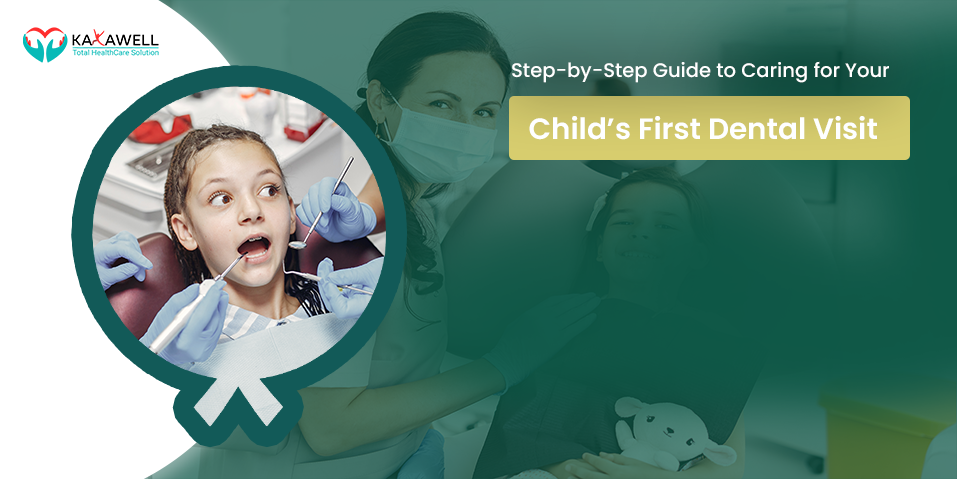
Step-by-Step Guide to Caring for Your Child’s First Dental Visit
Your child’s first dental visit is an important milestone, setting the stage for a lifetime of healthy smiles. For many parents, it can also bring questions and a little anxiety—both for them and their little one. With the right preparation, guidance, and understanding of what to expect, you can make this experience positive, stress-free, and even fun. This step-by-step guide will walk you through everything you need to know to care for your child before, during, and after their very first dental appointment.
Key Highlights
- Schedule your child’s first dental visit around their first birthday or when their first tooth appears to start their oral health journey early.
- Choose a dental practice that specialises in children’s dentistry to ensure a positive and comfortable dental experience.
- Prepare your child by talking positively about the visit and explaining what will happen in simple terms.
- Early dental care helps prevent tooth decay and reduces the likelihood of developing dental anxiety later in life.
- Consistent routine checkups establish healthy habits that are crucial for long-term oral health.
Introduction
A child’s first trip to the dentist is a significant milestone for any parent. While it can feel a little daunting, it’s a crucial first step in a lifetime of good oral health. Creating a positive first impression can shape your child’s attitude towards dental care for years to come. This guide provides a step-by-step approach to help you prepare for the visit, ensuring your child feels safe, comfortable, and even excited about visiting their local dental practice.
Understanding the Importance of Your Child’s First Dental Visit
The first dental visit is about more than just checking for teeth; it’s about introducing your child to the dental environment in a friendly and non-threatening way. This initial appointment lays the groundwork for a trusting relationship with their dentist and promotes a positive outlook on dental care. It is a vital part of preventative health care, especially when visiting a dentist in Indooroopilly who focuses on creating positive early experiences.
By starting early, you provide access to quality care that focuses on prevention and education. This helps your child build a foundation for excellent oral health, setting them up for a future of healthy smiles. A positive first dental experience is an investment in their long-term well-being and is a key part of children’s dentistry. The following steps will explore this further.
Why Early Dental Visits Matter for Long-Term Oral Health
Initiating dental care early is fundamental for your child’s long-term oral health. These first visits allow a dentist to identify and address potential issues before they become more serious problems. Catching concerns like tooth decay or alignment issues early can make dental treatment simpler and less invasive down the track. It’s a proactive approach to their wellbeing and something a dentist in Carrum Downs can help guide you through.
Furthermore, early and regular routine checkups help your child become familiar and comfortable with the dental clinic environment. When children learn from a young age that the dentist’s chair is a safe place, it significantly reduces the risk of them developing dental anxiety. A child who is at ease during appointments is more likely to cooperate and have a positive association with dental care throughout their life.
Finally, these appointments are a fantastic opportunity for you as a parent to learn the best ways to care for your child’s teeth and gums. The dentist can provide personalised advice on brushing techniques, diet, and other healthy habits. This guidance empowers you to establish a strong oral hygiene routine at home, reinforcing the importance of looking after your smile every day.
Preparing Your Child for Their First Dental Experience
How you prepare your child for their first dental visit can make all the difference. A little preparation goes a long way in transforming potential apprehension into curiosity and excitement. The goal is to frame the dental experience as a normal and positive part of staying healthy, just like visiting a doctor for a check-up.
By taking a few simple steps beforehand, you can help ensure the appointment at the dental practice is smooth and stress-free for everyone involved. With the support of a friendly team, you can build a foundation of trust and comfort that will last a lifetime. Here are some practical tips to help you prepare.
1. Schedule the First Appointment Early
One of the most important steps is scheduling their first visit at the right time. It is recommended that you book your child’s first of many dental appointments when their first tooth erupts or by their first birthday, whichever comes first. This early introduction is more about familiarisation and prevention than treatment.
An early start offers several key benefits for your child’s oral health. It allows the dentist to:
- Check for early signs of tooth decay or other issues.
- Provide you with essential guidance on cleaning your baby’s teeth and gums.
- Acclimatise your child to the sights and sounds of a dental clinic.
Booking these initial routine checkups when your child is young and generally free of dental problems helps create a positive first memory. This approach is a cornerstone of proactive children’s dentistry and sets a precedent for future visits being seen as a regular part of their health routine.
2. Choose a Child-Friendly Dentist
Selecting the right dental practice is crucial for a positive first visit. Look for a clinic that specialises in or has extensive experience with children’s dentistry. These dentists and their teams are trained to communicate with children in an engaging and reassuring way, helping them feel comfortable from the moment they walk in.
A child-friendly dental practice is designed to create a welcoming environment. The atmosphere is often warm and inviting, and the friendly team takes the time to get to know your child and listen to any concerns. When searching for a clinic, look for one that:
- Emphasises gentle and compassionate care.
- Has a reputation for creating positive experiences for young patients.
Choosing a dentist who understands the unique needs of children ensures your little one receives care that is not only clinically excellent but also emotionally supportive. This helps build a trusting relationship that can last for years.
3. Prepare Your Child Emotionally
Helping your child feel emotionally ready for their first dental visit can significantly reduce dental anxiety. Start talking about the visit a few days in advance calmly and positively. You can explain that the dentist is a friendly person who will help keep their teeth strong and healthy.
Use simple, positive language. You could say the dentist will “count their teeth” or “check their smile.” Avoid using words like “pain,” “hurt,” or “drill,” as these can create fear. Reading picture books or watching child-friendly videos about going to the dentist can also be a great way to familiarise them with the experience in a fun and relatable way.
Role-playing can also be effective. You can take turns being the dentist and the patient, counting each other’s teeth in a mirror. This playful approach helps demystify the process and transforms the unknown into a familiar game, contributing to a comfortable dental experience and promoting healthy habits for good oral health.
4. Bring Comfort Items
Familiar objects can provide a great sense of security for a child in a new environment. Allowing your child to bring a comfort item to their first dental appointment is a simple yet effective way to ease any potential dental anxiety and make the dental experience feel safer.
This item acts as a piece of home that they can hold onto, giving them a sense of control and comfort. It can be a favourite stuffed animal, a beloved blanket, or a special toy. The presence of this familiar friend can be incredibly reassuring while they are in the dental chair. Some good ideas include:
- A favourite teddy bear or doll that can “watch” them be brave.
- A small, quiet toy they can hold in their hands.
The goal is to create a calm and soothing atmosphere. Having a treasured item on hand can help distract and relax your child, contributing to a positive visit and setting the stage for future healthy smiles and good oral health.
5. Arrive a Little Early
Rushing to dental appointments can create stress for both you and your child. Plan to arrive at the dental practice about 10-15 minutes before your scheduled time. This buffer ensures you are not flustered by traffic or parking and can walk in feeling relaxed and composed.
Arriving early gives your child a chance to acclimate to the new surroundings. It allows them to observe the welcoming environment, see the friendly team interacting with other patients, and get used to the clinic’s atmosphere without feeling rushed into the dental chair. The benefits of arriving early include:
- Reducing stress and anxiety for both parent and child.
- Allowing time for your child to explore the waiting area and feel more comfortable.
This calm start helps set a positive tone for the entire visit. A relaxed child is more likely to be cooperative and curious, making the first check-up a smooth and pleasant experience for everyone.
6. Expect a Gentle Exam
The first dental exam is typically very gentle, quick, and simple. The primary goal is to make the dental experience positive and to perform a basic check of your child’s oral health. Many dentists use modern dental technology and techniques designed for comfort.
For very young children, the dentist might perform a “lap-to-lap” exam. In this method, you hold your child on your lap facing you, and the dentist sits knee-to-knee with you. Your child then lies back onto the dentist’s lap for the quick examination, which provides them with the security of parental contact throughout the process.
The dentist will gently look inside your child’s mouth to check the teeth, gums, and bite. They will look for any signs of decay or other issues and may offer a quick, gentle clean. The focus is on ensuring the visit is a comfortable and positive introduction to quality dental care at the dental clinic.
7. Ask Questions
Your child’s first dental visit is the perfect opportunity for you to ask questions and gather information about their oral health. The dental team is there to support you, so don’t hesitate to voice any concerns or queries you might have. Being informed is key to managing your child’s dental care at home.
Come prepared with a few questions. This is your chance to get expert advice on a range of topics related to your child’s dental development. You might want to ask about:
- Proper brushing and flossing techniques for your child’s age.
- Dietary advice to prevent tooth decay and promote healthy teeth.
You can also inquire about the different dental services available, payment options for any future dental treatment, and the best way to handle habits like thumb-sucking. An open dialogue with your dental practice ensures you have all the information you need to support your child’s oral health journey.
8. Follow the Dentist’s Recommendations
After the examination, the dentist will provide you with feedback and a personalised set of recommendations. It is essential to follow this advice, as it is tailored to your child’s specific needs and is designed to ensure their long-term oral hygiene and health. This might include a customised treatment plan if any issues were found.
The recommendations may cover a range of topics, from the type of toothbrush and toothpaste to use to nutritional guidance on foods and drinks that support healthy teeth. The dentist will only suggest dental treatment that is genuinely necessary for your child’s wellbeing, prioritising a conservative and preventative approach to quality care.
Following through on this advice reinforces the partnership between you and your dental team. It demonstrates a commitment to your child’s health and helps establish a consistent oral hygiene routine at home. This follow-up is just as important as the visit itself for maintaining a healthy smile.
9. Establish a Daily Oral Care Routine
The dental visit is a great motivator, but the foundation of good oral health is built at home through consistent daily care. Use the momentum from a positive dental appointment to establish or reinforce a solid oral hygiene routine that your child can follow every day.
Make brushing a fun and non-negotiable part of the morning and evening schedule. Leading by example is powerful, so brush your teeth at the same time as your child. Let them see that dental care is a normal and important part of everyone’s day. To make it more engaging, you can:
- Use a colourful toothbrush and a child-friendly toothpaste.
- Play a favourite two-minute song to ensure they brush for the right amount of time.
Consistency is key. By making daily oral hygiene a regular and positive habit, you empower your child with the skills and attitude needed for a lifetime of healthy teeth and gums.
10. Make Future Visits Positive
Building on the success of the first visit is crucial for long-term comfort with dental care. After the appointment, praise your child for their bravery and cooperation, regardless of how it went. Focus on the positive aspects, like how clean their teeth feel or how friendly the dentist was.
Schedule the next appointment as recommended by the dental practice before you leave the clinic. Regular visits, typically every six to twelve months, help normalise the experience and prevent dental anxiety from developing. Consistency shows your child that visiting the dentist is a routine part of staying healthy.
Continuing to choose a dental practice with a welcoming environment that excels in children’s dentistry will reinforce a positive association. When your child feels safe and cared for, they are more likely to view future dental visits with confidence instead of fear, ensuring a smooth and positive journey in their ongoing oral healthcare.
Conclusion
Caring for your child’s first dental visit sets the stage for a lifetime of positive oral health experiences. By preparing emotionally, choosing the right dentist, and establishing a comfortable environment, you can help alleviate any fears your child may have. This initial visit is more than just an examination; it’s an opportunity to instill good habits and ensure your child feels at ease in a dental setting. Remember, a gentle approach and open communication can make all the difference. As you navigate this process, prioritise your child’s comfort and well-being. If you have questions or need further guidance, don’t hesitate to reach out to your local dental professional. They are there to help you and your child on this important journey to a healthy smile!
Frequently Asked Questions
Understanding a child’s first dental visit can bring up many questions for parents. It’s common to wonder about what to expect during the appointment and how to prepare your little one for a positive experience. Parents often ask about the age to start regular dental visits, recommended oral hygiene practices, and ways to ease dental anxiety. Seeking information on dental services covered under health insurance and encouraging good oral health habits at home is also beneficial for fostering a lifetime of healthy smiles.
When Should My Child Have Their First Dental Check-Up?
Your child should have their first dental check-up around their first birthday or within six months of their first tooth appearing. Early routine checkups are key for preventative dental care, allowing the dentist to monitor your child’s oral health from the very beginning and ensure everything is developing correctly.
How Can I Make My Child’s Dental Visit Positive?
To create a positive dental experience, choose a dentist who specialises in children’s dentistry and maintains a welcoming environment. Prepare your child by talking positively about the visit, reading books, and staying calm yourself. A comfortable dental experience helps prevent dental anxiety and builds a foundation of trust.
Are There Special Services for Kids at a Dentist in Carrum Downs?
Yes, many dental clinics, including those in areas like Carrum Downs, offer specialised dental services for children. These practices often focus on children’s dentistry with a friendly team and a gentle approach. They may also accept government programs like the Child Dental Benefits Schedule to make care more accessible.