
Desk Neck: Why Your Neck Hurts by Mid-Afternoon and What Actually Helps
It arrives on schedule. Nine o’clock feels fine. By eleven there is a faint tightness at the base of the skull. By three the shoulders have crept up towards the ears, turning to check something on the second screen has become a whole-body manoeuvre, and a dull headache is auditioning behind one eye. Then you go home, sleep badly on it, and the whole cycle restarts.
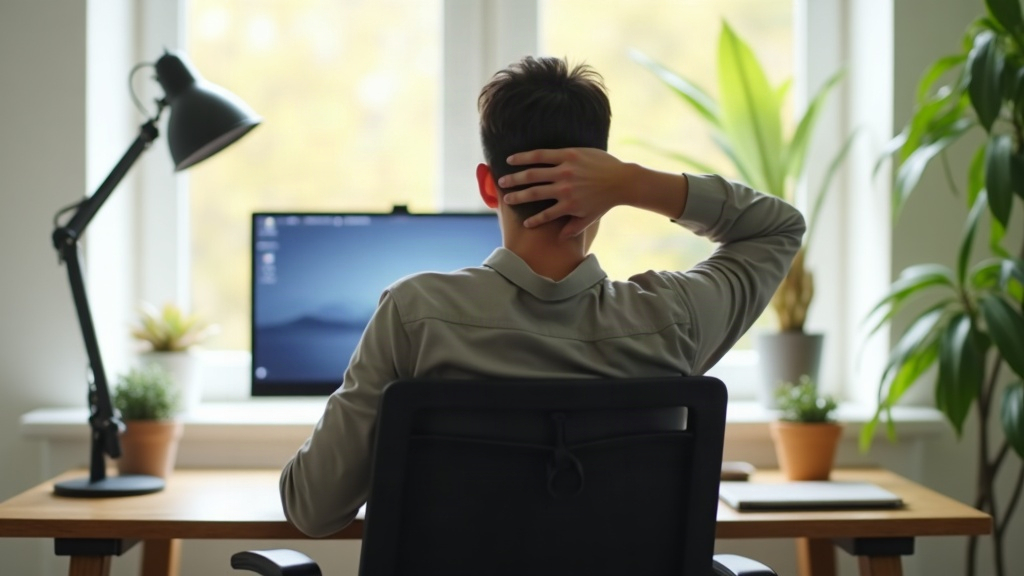
If that sounds familiar, you have desk neck. It is one of the most common complaints in any allied health clinic, and also one of the most manageable, provided you understand what is driving it and stop treating it as something to push through.
Why the desk is such an efficient neck-pain machine
Australia’s healthdirect lists the usual suspects for neck pain, and most of them live at your workstation: poor posture, using a computer for long periods without a break, a pillow that does not suit you, and stress. None of these is dramatic on its own. The problem is repetition. Hold your head slightly forward of your shoulders for eight hours a day, five days a week, and the small muscles at the back of the neck and across the tops of the shoulders spend their whole working life switched on. Muscles that never get to switch off become tight, tender and grumpy, and the joints they are supposed to support start to feel stiff too.
Add a deadline, and stress tightens the same muscles again. Add a laptop used on the couch in the evening, and you have removed the only break they were going to get.
The reassuring part
Most neck pain is not a sign of something serious, and most episodes settle within a few weeks. Imaging is not needed for the majority of people. The guidance from healthdirect is to stay active and keep moving your neck naturally and gently rather than bracing it, to use heat or ice for stiffness if it helps, and to avoid neck collars or supports unless a health professional has specifically advised one.
That advice matters more than it sounds. The instinct with a sore neck is to hold it still, and held still it stiffens further. Gentle, regular movement is the cheapest treatment you have.
The part that is not about posture
For years the advice was to find the one correct posture and hold it. The more useful modern view, and the one you will now hear from most allied health clinics, is that there is no single perfect posture. The best posture is the next one. Variety, not rigidity, is what keeps the neck comfortable, alongside enough strength in the neck, upper back and shoulders to carry your head through a long day without complaint.
That reframe takes the guilt out of it. You do not have to sit like a soldier. You have to move more often and get a little stronger.
What helps at the desk
The workstation fixes are not glamorous, but they work because they remove the repetition that started the problem:
- Raise your screen so the top third sits at eye level. Laptop users need a stand and a separate keyboard.
- Change position often. Stand for a phone call, sit differently for the next task, and take a genuine break to walk every half hour or so.
- Bring the work to you. Chair close to the desk, keyboard and mouse near the body, so the shoulders are not reaching all day.
- Sort the pillow. One that keeps your head and neck in a natural line, not propped high, prevents the morning stiffness that primes the afternoon ache.
- Build a two-minute routine: slow neck turns, shoulder rolls, a gentle chin tuck, and a doorway stretch for the chest. Little and often beats one heroic session on Sunday.
- Look at your evenings. The couch laptop and the phone held in your lap are desk neck’s night shift.
When hands-on treatment earns its place
Sometimes the muscles have been switched on for so long that they will not switch off with stretching alone. That is where assessment-led hands-on care is useful. A remedial massage therapist does not simply rub where it hurts. A first session opens with questions about when the tightness started, what makes it better or worse and what your working day looks like, followed by a look at how your neck and shoulders actually move. Treatment then targets the specific tissue the assessment flagged, using firm soft-tissue techniques and trigger point work, with the pressure adjusted to what you can comfortably tolerate. Some temporary discomfort while working through a tight area is normal; gritting your teeth is not, and a good therapist will check in and change approach the moment you ask.
Expect to leave with homework as well as looser shoulders. The clinics that get lasting results are the ones that pair the hands-on work with movement and strength advice, and, where the picture is more complicated, can bring in an osteopath or myotherapist from the same team. If you are searching for remedial massage Glen Waverley and the surrounding south-eastern suburbs, Living Health Group in Wheelers Hill works on exactly that model, with desk-based professionals among the people it sees most often.
The signs that mean see a doctor first
Desk neck is a nuisance, not an emergency, but healthdirect is clear that a few signs warrant medical attention rather than a massage booking:
- Neck pain after a fall, collision or other accident
- Pins and needles, numbness or weakness in the arms or legs
- Fever, sweats or chills alongside the neck pain
- Dizziness, changes to vision or hearing, or difficulty concentrating
- Pain that is severe, getting worse, or has not eased after a few weeks
- Pain that is affecting your sleep, work or ability to drive safely
If any of those apply, start with your GP. If neck pain arrives with chest pain, shortness of breath or sweating, that is a call to emergency services, not a wait-and-see.
A realistic plan
Fix the screen height this afternoon. Set a reminder to move every thirty minutes tomorrow. Spend two minutes on the neck routine each morning for a fortnight. If the three o’clock ache is still arriving on schedule after that, book an assessment and let someone work out which muscles are doing the overtime, and why. Desk neck responds well to being taken seriously early. It responds badly to being ignored until Friday.
