
Is Traditional Chinese Medicine Effective Today? A Career Guide
Eastern medicine, known as Traditional Chinese Medicine (TCM), is often unfairly scrutinized in public conversation. While narrow-minded critics are quick to dismiss it, they overlook centuries of healing wisdom. The truth is that TCM offers powerful solutions, and modern science is finally beginning to validate what practitioners have known for millennia.
This article answers two direct questions for students and early-career health professionals: Is TCM effectivein modern healthcare? And is a career in TCM a smart, viable path today? The aim is balanced and modern: show what TCM reliably does well, where it works best alongside Western medicine, and what training and regulation matter if you are thinking about making it your profession.
What Is Eastern Medicine / Traditional Chinese Medicine?
TCM is a comprehensive system of health care that encompasses acupuncture, Chinese herbal medicine, cupping, and moxibustion, along with dietary therapy, a form of medical massage known as tuina, and movement practices such as qigong and tai chi. Instead of merely labeling isolated symptoms, TCM utilizes a system-based diagnosis that identifies specific patterns or syndromes. This approach ensures that treatment targets underlying imbalances, such as digestive issues, blood stagnation, or disrupted sleep regulation, rather than addressing a single symptom in isolation. With a history spanning more than two thousand years, this system is now a global standard of care, utilized by credentialed TCM specialists in clinics, hospitals, and integrated care centers alike.
Is Traditional Chinese Medicine Effective in Modern Healthcare?
The short answer is a definitive yes for certain conditions when delivered by properly trained clinical experts. The evidence varies by modality and condition. Below are the areas where evidence is strongest, followed by honest limits.
Chronic Pain (Back, Neck, Osteoarthritis, Headache)
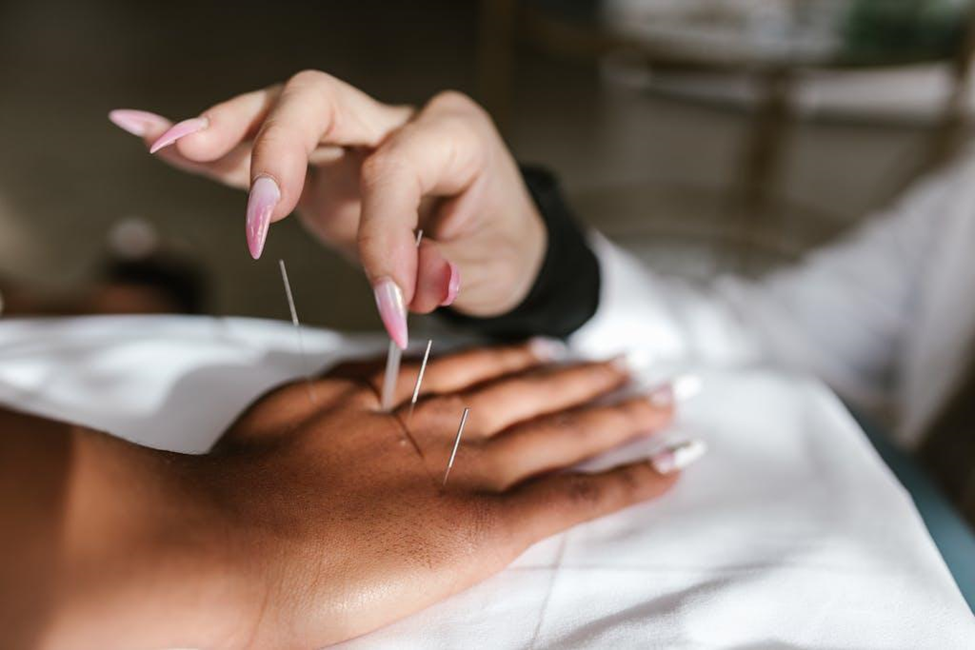
High-quality individual patient data meta-analyses of randomized trials show acupuncture reduces chronic pain compared with usual care and shows a modest but consistent advantage over sham controls and concluded that acupuncture has an effect on chronic musculoskeletal pain and headache that is unlikely to be explained only by placebo. These effects tend to be modest in size but clinically meaningful for many patients.
Migraines and Tension-Type Headaches
Systematic reviews report that acupuncture can reduce the frequency of episodic migraine and tension-type headache and can be as effective as some prophylactic drugs with fewer side effects. For many patients with frequent headaches, acupuncture is a reasonable nonpharmacologic option.
Stress, Anxiety, and Sleep Disorders
Meta-analyses and growing trial data suggest acupuncture may help with anxiety symptoms and certain forms of insomnia, improving sleep efficiency and some objective sleep measures in pooled studies. The quality and heterogeneity of trials vary, but the safety profile for acupuncture is generally favorable when practiced by licensed providers.
Digestive Disorders (IBS) and Functional GI Symptoms
A number of trials and meta-analyses suggest acupuncture and selected Chinese herbal formulas can improve irritable bowel syndrome (IBS) symptoms and quality of life, though methodological limitations and heterogeneity in trial design mean conclusions are cautious. Overall the evidence is promising but less definitive than for chronic pain and some headache indications.
What About Herbal Medicine?
Certain Chinese herbal formulas have shown benefit for specific conditions in randomized trials, but the evidence is more variable and safety depends on precise formulation, sourcing, and practitioner skill. Herb-drug interactions and product quality are important considerations. High-quality regulation, standardized formulations, and clinician training reduce risk.
What the Big Health Organizations Say
The World Health Organization documents widespread use of traditional and complementary medicine globally and encourages Member States to build evidence, regulate practitioners, and integrate effective practices into health systems where appropriate. That reflects a pragmatic, evidence-forward stance rather than blanket endorsement.
How Eastern Medicine Complements Western Medicine
The effectiveness of eastern medicine is best framed as complementary to biomedical care in many contexts, not as its replacement. Here are practical ways the two systems pair well:
- Chronic vs Acute Care: Effectiveness of Traditional Chinese Medicine is often most noticed in the management of chronic, functional, and lifestyle-related conditions, including persistent pain, sleep disturbances, stress, and digestive regulation. However, in cases of acute surgical emergencies or life-threatening infections, biomedical urgent care remains the primary and essential standard of treatment.
- Nervous System Regulation: Acupuncture and mind-body TCM tools can modulate pain pathways, autonomic balance, and stress reactivity, which makes it useful in rehabilitation, chronic pain, and mental health adjunctive care.
- Prevention and Lifestyle: Dietary therapy, movement practices such as tai chi and qigong, along with herbal or nutritional guidance, contribute to prevention and support sustained lifestyle change in ways that align with broader population health objectives.
- Integrative Clinics: Increasingly, hospitals and pain clinics include acupuncture and TCM-trained clinicians as adjuncts to physical therapy, pain medicine, and mental health services, supporting multimodal, patient-centered care.
Addressing the Skepticism Around Eastern Medicine
While skepticism toward Eastern medicine persists, much of it reflects historical unfamiliarity rather than a lack of evidence. Here’s what you need to know:
Is it just a placebo?
Some critics point to placebo effects. High-quality trials using sham acupuncture show smaller effect sizes than comparisons with no-treatment controls, but many analyses conclude the overall benefit cannot be explained entirely by placebo. That said, the magnitude of effect varies by condition and trial design.
Variability in Practitioner Quality
A major source of inconsistent outcomes is variability in practitioner training, clinical hours, and standards. Poorly trained providers or short online certificates produce worse outcomes and harm the field’s credibility. Strong regulation and standardized acupuncture and TCM training programs make a large difference in safety and effectiveness.
Why Outcomes Depend on Training and Clinical Hours
TCM is clinical and hands-on. Diagnostic skill, safe needling technique, herb knowledge, and the ability to integrate with biomedical care are learned through sustained supervised clinical training. Short workshops cannot replace a structured curriculum plus supervised patient hours. That is why accredited programs and supervised clinics matter.
Why More Young Health Professionals Are Choosing TCM
Many trends make TCM attractive to early-career clinicians:
- Burnout in Conventional Roles: Short patient visits, heavy documentation, and diminished continuity push some clinicians to seek careers with more time-per-patient and relationship-based care.
- Patient-Centered Practice: TCM typically offers longer intake visits, deeper counseling, and multimodal treatment planning and this appeals to people who prioritize therapeutic relationships.
- Flexibility and Autonomy: TCM practitioners often build private practice, work in integrative clinics, or consult in interdisciplinary teams, giving varied career pathways and scheduling flexibility.
- Specialization Opportunities: Practitioners may focus on fertility, sports medicine, pain management, mental health adjunct care, or cosmetic acupuncture.
- Growing Integration: Health systems, veteran care centers, and private hospitals increasingly add acupuncture and TCM services to broaden conservative care options.
Is Traditional Chinese Medicine a Viable Career Today?
Yes but with conditions. Viability depends on where you plan to practice, the quality of your training, and whether you plan to work in private practice or the integrative health sector.
Regulation and Licensing Matter
In many countries and regions TCM and acupuncture are regulated professions. For example, in North America there are recognized accreditors and professional certification bodies; individual provinces and states set licensure requirements. That means that with accredited training and appropriate certification you can legally practice, bill insurance in some cases, and join interdisciplinary teams.
Canada: Regulation is provincial and patchy. Some provinces have formal regulatory bodies and protected titles; others do not. Prospective students should check provincial rules where they plan to work.
United States: Most states license acupuncturists and use national certifications, for example, NCCAOM exams are widely used in state licensing decisions. Exact requirements vary; planning for state-by-state requirements is essential.
Demand, Settings, and Income Potential
Demand for acupuncture and TCM services is growing, and the field is increasingly integrated into hospitals, pain clinics, sports medicine, and primary care networks. Median and range of practitioner incomes vary by country, practice model, and patient volume. In the U.S., official occupational data and surveys show a broad range: many practitioners earn solid, sustainable incomes when they combine clinical skill with business sense. The U.S. Bureau of Labor Statistics provides wage data for acupuncturists that indicate median and percentile ranges for the occupation.
Career Paths
The most common holistic healthcare career paths paths include:
- Private Practice: The most common route. Requires business skills, referral networks, and marketing.
- Integrative Clinics & Hospitals: Work alongside MDs, PTs, and psychologists in interdisciplinary teams.
- Sports Medicine & Rehabilitation: Specialized roles in athletic teams or rehab centers.
- Academic, Research & Teaching: With advanced degrees, some choose research, clinical instruction, or curriculum development.
- Public Health & Community Clinics: Community clinics sometimes fund acupuncture services for chronic pain or mental health support.
What Training Matters in a TCM Career
Not all training is equal. If you want a durable, credible career, prioritize the following:
Accredited Programs and Recognized Standards
Look for formal education TCM programs with recognized accreditation and a curriculum that combines biomedical basics, TCM theory, herbal pharmacology, and supervised clinical practice. In the U.S., programmatic accreditors and recognized bodies set educational benchmarks. In Canada, regional colleges with governFormal education TCM programs with recognized accreditationment recognition provide pathways to credentialing. Accreditation ensures curriculum quality and helps with professional recognition.
Clinical Hours and Supervised Practice
Hands-on supervised clinical hours are non-negotiable. Clinically supervised internships let students develop safe needling techniques, diagnostic reasoning, and treatment planning under mentor oversight. Short weekend certifications cannot substitute for this.
Board Exams and Certification
In jurisdictions that use national certification, for example, NCCAOM in the U.S., achieving certification demonstrates baseline competency and may be required for state licensure. Certification also signals to employers and referral sources that you meet standardized competence thresholds.
Herb Safety and Pharmacology
If you plan to prescribe herbs, ensure your program has rigorous training in herb pharmacology, adulteration risk, herb–drug interactions, and quality control. Practical training should include sourcing, dosing, contraindications, and legal frameworks.
Interprofessional Training
Programs that teach how to work alongside MDs, physiotherapists, and psychologists, including referral handling and co-management, make graduates more employable in integrative settings.
Helpful resource: Look for training pathways that clearly state curriculum, clinical hours, and graduate outcomes.
Who Is TCM a Good Career Fit For?
An eastern medicine career suits people who:
- Enjoy longer, relationship-focused consultations.
- Want hands-on clinical work and practical procedures.
- Appreciate systems-based thinking that blends pattern diagnosis with physiology.
- Want career flexibility such as private practice, part-time, or interdisciplinary roles.
- Are committed to lifelong learning, including updates in biomedical evidence, herbal safety, and professional regulation.
Practical Steps If You’re Considering This Path
To stay on track, approach your alternative healthcare career like this:
- Map the regulatory landscape. Where do you want to live and work? Look up provincial/state licensure and protected titles.
- Choose an accredited program. Confirm clinical hours, mentor-to-student ratios, and whether the program prepares you for certification exams.
- Plan financially and practically. Consider program cost, time to graduation, and start-up costs for private practice.
- Gain biomedical literacy. Strong understanding of red flags, referral protocols, and common drug interactions improves patient safety and interprofessional credibility.
- Build referral networks early. Internships, co-treatment opportunities, and volunteer work in integrative clinics help you land your first job.
- Aim for scope expansion. Specialize in fields such as fertility, sports, pain, geriatrics, etc. to stand out and meet market needs.
Conclusion
Traditional Chinese Medicine is neither a relic nor a fantasy. When practiced by well-trained, regulated clinicians and integrated thoughtfully into modern care, elements of TCM, especially acupuncture and certain herbal therapies, provide evidence-backed options for chronic pain, headache, sleep, anxiety, and some functional digestive disorders. Career viability depends on choosing accredited training, understanding local regulation, and building clinical skill and professional networks. If you want a patient-centered career with flexibility, direct patient impact, and growing integration into mainstream settings, TCM can be a smart, credible path, provided you commit to rigorous education and continual professional development.
