Healing Together: Trauma-Informed Therapy for Families
Relationships and families are commonly at the forefront of human existence. However, at times, relationships become marred by issues, misunderstandings, and unresolved conflict. If those problems become escalated, they can leave scars on individuals’ mental, emotional, and physical health. But all is not lost. Dr. Kinnari is a seasoned relationships specialist who provides trauma-informed therapies that are specifically designed to repair, nurture, and strengthen relationships and families.
In today’s world, in which stress, anxiety, and transitions in life are everyday occurrences, therapy is the light at the end of the tunnel for many. Not all therapies, however, are similar. Dr. Birla-Bharucha’s approach to trauma is unique in that it treats healing at the foundation of relational issues. In this article, we examine the dramatic impact of trauma-informed therapy upon relationships and families, the potential role of Kinnari Birla expertise, and why the mode of therapy is so important in today’s world.
What Is Trauma-Informed Therapy?
Before discussing the specifics of the work of Dr. Kinnari Birla-Bharucha, it is helpful to start by learning something about what trauma-informed therapy is. Whereas mainstream therapy might look at the symptoms of a problem at present in isolation, for instance, trauma-informed therapy is interested in the person’s past—their traumatic events in particular—because it may be influencing their thoughts, feelings, and behavior now.
Any type of trauma, abusive experiences in childhood, emotional neglect, or later experiences of trauma can affect individuals’ worldview as well as how they treat others. Dr. Birla-Bharucha’s style of trauma-informed therapy does not simply focus on symptoms of problems at the level of families or relationships but attempts to uncover and heal deeper traumas that may be the root of repeated problems.
Read More: 7 Ways Social Media Can Affect Your Mental Health
The Contribution of Families and Relationships to Emotional Well-being
Families and relationships are the foundations of emotional health. Having a good family or experiencing healthy, supportive love relationships can be an asset. But when relationships become damaged or broken, they can be the sources of isolation, anxiety, and even depression. Many times, those who come from traumatic experiences in the past are likely to enter current relationships carrying emotional scars that affect the ability to trust, to be oneself, and to connect deeply.
For example, those who experienced emotional abuse may have difficulty trusting again, even with the closest of people. Children who grew up in homes with constant arguing between the parents or chronic emotional unavailability may begin to have issues with attachment, something that can prevent them from forming healthy relationships later in life. That is where trauma-informed relationship therapy can be incredibly useful in healing those underlying wounds.
Dr. Kinnari Birla-Bharucha’s Method
Dr. Kinnari Birla-Bharucha’s skill at treating relationships and trauma is clearly demonstrated. She combines psychological knowledge with empathy and perceptive understanding of human nature to establish safety for individuals and families to explore their trauma and begin the recovery process. With years of experience practicing in trauma-informed treatment, Dr. Birla-Bharucha is aware that for each person, trauma is distinct, so treatment must be specific to the person.
Her modality involves the provision of a secure therapeutic environment that creates trust, safety, and respect such that the client is perceived to be comprehensively heard and understood. Employing evidence-based techniques of therapy, Dr. Birla-Bharucha is also mindful of matters of cultural appropriateness and individual history. In doing so, she frees individuals from the maladaptive behavioral tendencies that can be perpetuated through the existence of unresolved wounds, and empowers them to heal and mend relationships.
Healing Families through Trauma-Informed Therapy
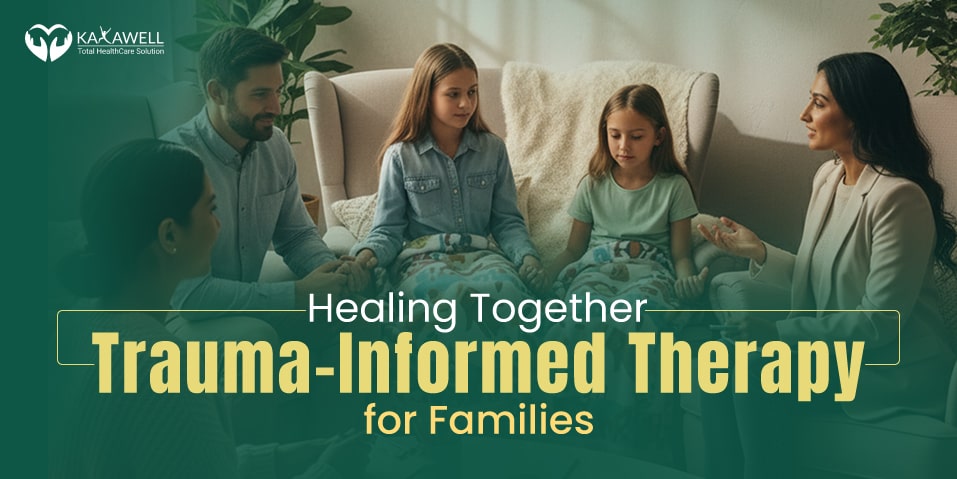
Fixing relationships in the family is more than fixing communication issues or superficial conflict. More times than not, there are wounds that run deeper that need to be treated. For instance, children may misbehave due to the unresolved trauma from their parents’ experiences, and their parents may be unable to be emotionally present due to their own history. These relationships in the family can foster an unhealthy environment that has each member of the family feeling unheard, misunderstood, and disconnected.
Family sessions under Dr. Birla-Bharucha aim to bring out those unseen issues. Under a model of trauma-informed care, she trains family members to look into the sources of their habits of behavior and gives them the tools to break out of detrimental patterns. Both teenagers and adults can examine their own traumas during her sessions and acquire better communication habits to ultimately strengthen their relationships.
Benefits of Trauma-Informed Relationship Therapy
There are several benefits that come from seeking relationship therapy, especially when seeking it out with someone licensed in trauma-informed care. Below are just a few of the reasons that trauma-informed relationship therapy, as offered by Dr. Kinnari Birla-Bharucha, can be transformative for families and couples:
Improved Communication – Trauma usually has effects on communication for individuals, leading to conflict and misunderstanding. Trauma-informed therapy trains the client to use better communication methods, so that all individuals’ thoughts and feelings are considered and appreciated.
Restored Trust – Trust is easily damaged, particularly for those with a history of trauma or betrayal. Dr. Birla-Bharucha’s work with trauma allows individuals and couples to rebuild trust by being open, vulnerable, and sensitive to one another.
Healing Emotional Hurts – Trauma-informed therapy enables individuals to see and heal from hurts from their past that may be influencing relationships today. It liberates relationships from hurts that tend to recur and frees up relationships for emotional repair and growth.
Deeper Emotional Bonds – If individuals resolve their own personal issues of trauma and relationships in a healthy way, they can achieve deeper emotional connections to their spouses or families. It leads to more fulfilling, substantive relationships.
Increased Empathy – Trauma-informed therapy promotes empathy, and it is the core of conflict resolution constructively and empathetically. If individuals learn of the traumas of others, they can be more willing to dive into disputes patiently and with understanding.
Durable Change – Trauma-informed care is not interested in patch-and-fix work or temporary solutions. Dr. Birla-Bharucha’s approach is invested in longer-term recovery, providing patients with the resources they need to maintain healthy relationships for years to come.
Read More: Explore Mental Health Insurance Coverage for Trauma Care
Why Choose Dr. Kinnari Birla-Bharucha for Your Relationship Therapy?
Whereas most therapists provide relationship counseling, Dr. Kinnari Birla-Bharucha’s specialty is trauma-informed therapy. Her interest in intense healing of individuals as well as of families ensures that therapy is not merely placing a Band-Aid over wounds but rather creates changes that endure over time and promote emotional repair and growth.
Dr. Birla-Bharucha’s background of professional experience, plus her empathetic style, enables her to foster a sense of comfort and security for her clients. She works in conjunction with families and individuals to examine the origin of their problems, and collectively, they design individualized recovery plans. If you are experiencing problems within a relationship or want to enhance relationships within the home, the knowledge of trauma-informed therapy that Dr. Birla-Bharucha has can be of benefit to allow you to recover from past hurts and assemble stronger, more rewarding relationships.
How Trauma-Informed Therapy Can Enhance Your Relationship
Integrating trauma-informed techniques with relationship therapy has demonstrated effectiveness in forging healthier, stronger unions. Trauma-informed therapy enables individuals and couples to become wiser to how past traumas can influence their resulting patterns of relationships. Under the leadership of Dr. Birla-Bharucha, couples can learn to stop self-destructive patterns of behavior, build trust, and communicate.
One of the basic components of this treatment is that it puts so much emphasis upon self-awareness. When those involved become educated about their own emotional flashpoints and traumas, they can also work together to generate additional closeness and empathy. It creates more fulfilling relationships that are grounded in respect and understanding.
Conclusion: The Impact of Trauma-Informed Therapy
Trauma-informed relationship therapy by Dr. Kinnari Birla-Bharucha enables families and individuals to grow stronger and recover. Whether they are dealing with old traumas, communication breakdowns, or relationship issues, her experience enables enduring change. With her research-grounded approach of sensitivity, her patients can experience profound recovery that not only enhances their relationships, yet builds their emotional strength.
If you need support to repair your relationships or your relationships with your family, Dr. Birla-Bharucha’s trauma-sensitive therapy can be that game-changing solution. With her, you can learn to heal, grow, and become yourself—emerging with healthier, happier relationships with those nearest to your heart.