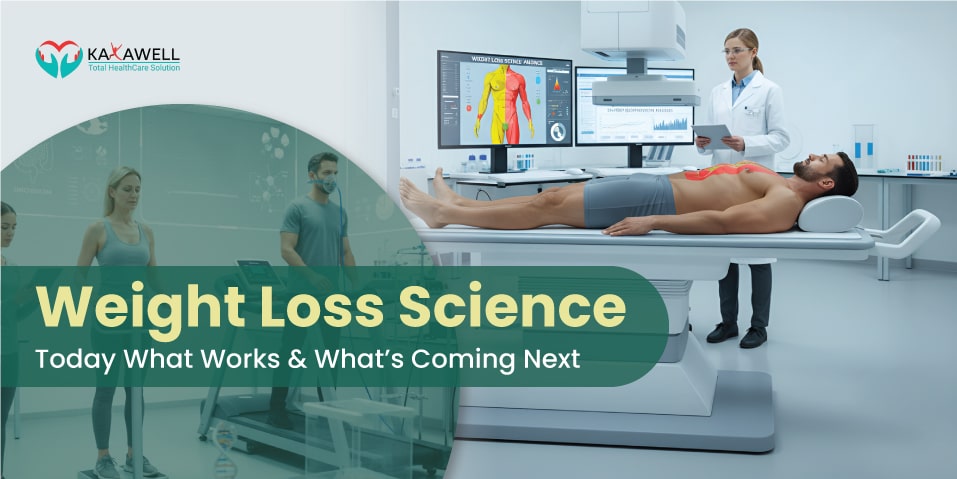
Weight Loss Science Today: What Works and What’s Coming Next
Why Weight Loss Still Matters
Weight loss is not just about appearance—it’s a matter of health, longevity, and overall well-being. With obesity rates climbing worldwide, linked to conditions such as diabetes, cardiovascular disease, and certain cancers, understanding how to manage weight effectively has become one of the biggest priorities in public health.
Over the decades, we’ve seen everything from cabbage-soup diets to juice cleanses claim to be the “solution.” Yet most of these fad approaches fade quickly, leaving people frustrated. Modern science, however, is finally cutting through the noise and showing us what actually works, while offering a glimpse into revolutionary breakthroughs such as BAM15, a compound that could reshape the future of fat loss.
The Science Behind Weight Loss
Beyond Calories In, Calories Out
Yes, weight loss is ultimately about burning more calories than you consume. But why do some people burn calories more efficiently than others? Why does one diet work for one person but fail for another? Science has found answers in several key areas:
- Basal Metabolic Rate (BMR): This is the number of calories your body needs just to maintain essential functions like breathing and circulation. Genetics and muscle mass play a big role in determining your BMR.
- Hormonal Influence: Hormones such as leptin (satiety hormone), ghrelin (hunger hormone), insulin (blood sugar regulation), and cortisol (stress hormone) all influence appetite and fat storage.
- Adaptive Thermogenesis: When you lose weight, your body sometimes slows down metabolism to “defend” against further weight loss. This explains why people hit plateaus.
- Microbiome Connection: The trillions of microbes in your gut influence how efficiently you digest food and extract calories. Emerging research shows that a healthy gut balance can make weight loss easier.
Evidence-Based Strategies That Truly Work

1. Nutrition Over Restriction
Crash diets often backfire. Sustainable weight loss depends on nutrient balance and portion control rather than extreme restriction. Examples:
- Mediterranean Diet: Proven to reduce cardiovascular risk and promote gradual, long-term weight loss.
- High-Protein Plans: Support satiety and muscle preservation.
- Low-Carb Approaches: Work well for insulin resistance and stubborn belly fat.
2. The Power of Exercise
Exercise is not only about calories—it changes body composition. Strength training builds lean muscle, which raises metabolic rate. HIIT workouts enhance calorie burning for hours after training. Even simple activities like walking 10,000 steps daily can accelerate fat loss when combined with dietary changes.
3. Behavior & Lifestyle Tweaks
Science shows lifestyle habits often determine whether weight loss sticks. Getting 7–8 hours of sleep lowers cortisol and ghrelin (reducing cravings). Stress management through yoga or mindfulness prevents emotional eating. Consistent meal timing and food tracking apps keep you accountable.
4. Medical & Clinical Solutions
For severe obesity, treatments go beyond lifestyle:
- Prescription Medications: GLP-1 agonists like semaglutide suppress appetite and improve blood sugar.
- Bariatric Surgery: Gastric bypass or sleeve gastrectomy provide dramatic results for those at high risk of complications.
The Role of Technology in Weight Loss
Wearables and health tech have revolutionized the journey. Devices like Apple Watch, Fitbit, or continuous glucose monitors allow real-time biofeedback. AI-driven apps can now predict eating patterns, suggest workouts, and adjust calorie targets automatically. Virtual coaches and online communities provide motivation and reduce dropout rates.
The combination of tech + behavioral science is making weight loss more personalized than ever before.
New Scientific Breakthroughs
Spotlight on BAM15
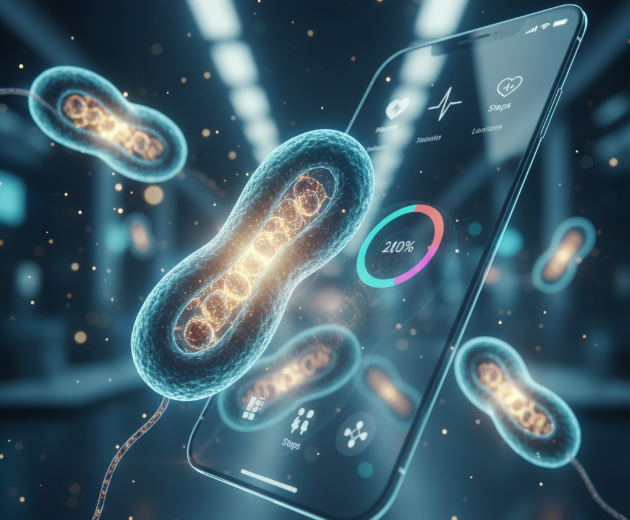
Alongside compounds like BAM15, research-grade peptides are an active area of study, with suppliers such as Healio Peptides publishing third-party COA testing for each batch
Still, BAM15 could one day be a game-changer in the fight against obesity, particularly for people resistant to traditional methods.
The Future of Weight Loss: What’s Coming Next
- Precision Nutrition: Personalized diets based on DNA and gut microbiome testing.
- Metabolic Reprogramming: Resetting how the body burns calories long-term.
- Next-Gen Medications: Beyond BAM15, research is exploring fat “browning” agents (turning white fat into calorie-burning brown fat).
- AI & Data-Driven Coaching: Real-time adjustment of diet and activity via machine learning.
- Combination Therapies: Medical + lifestyle + digital support as the new standard.
Practical Takeaways You Can Apply Now
While future treatments are exciting, here’s how you can use current science today:
- Follow evidence-based diets instead of fad restrictions.
- Strength train at least 2–3 times weekly to boost metabolism.
- Use tech tools like calorie trackers or wearable fitness monitors.
- Prioritize mental health, sleep, and stress management.
- Consult a professional if lifestyle changes aren’t enough.
Read More: Weight Loss Tips & Tricks: The Ultimate Guide to Success
Weight loss is not about punishment—it’s about building a system that works with your biology, not against it.
Conclusion: Toward a Smarter Approach to Weight Loss
The modern science of weight loss makes one thing clear: sustainable results come from an integrated approach. It’s no longer about extreme diets or over-exercising—it’s about aligning nutrition, activity, psychology, and medical science.
Breakthroughs like BAM15 hint at a future where stubborn fat can be targeted more directly and safely than ever before. As research advances, weight loss solutions will become more personalized, precise, and effective.
For now, focusing on balanced nutrition, consistent exercise, behavioral habits, and smart technology is the best way forward. And for deeper insights on emerging health trends, check out kayawell.com.
The journey of weight loss is evolving rapidly—and the future looks healthier, more scientific, and more hopeful than ever.