
Understanding Non-Invasive Body Sculpting: How Low-Level Laser Technology Targets Stubborn Fat Cells
To reach specific fitness goals, a person must give an immense amount of time, physical discipline, and very careful planning for the food they eat every day. However, a frustrating truth is discovered by many people: even when reaching a weight on the scale that is stable and healthy, certain local areas of fat stay completely stubborn against normal diet and exercise. This is why many individuals explore non-invasive body sculpting treatments to target areas that are difficult to reshape through lifestyle changes alone. This common problem happens because the human body is programmed genetically to store fat tissue in specific places—like the stomach, waist, or thighs. Because of this reason, losing fat in only one specific spot through lifestyle changes alone becomes almost impossible.
When regular fitness routines hit a wall, learning about the science behind non-surgical wellness methods helps a person to set realistic expectations for their body goals. Educational information provided by specialized centers like Purifi IV Nashville shows that modern, low-level laser light can change how cell walls work without hurting the skin layers on top. When shifting your focus from general lifestyle changes to a clear, technology-driven understanding of how cells let go of stored energy, a smart decision can be made for your long-term wellness path.
The Biological Mechanism: How Lasers Intelligently Release Stored Fat
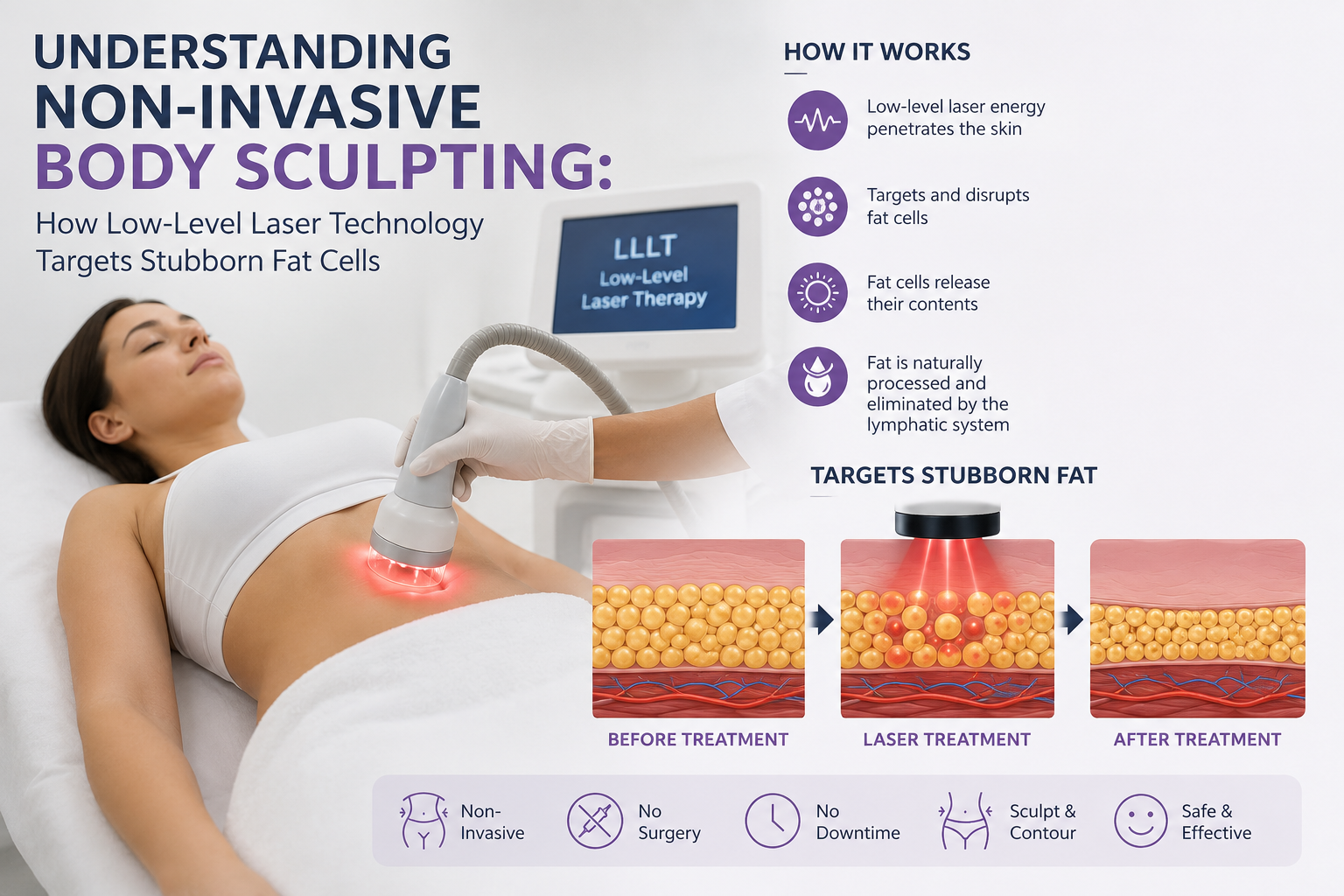
A big misunderstanding about non-surgical fat reduction is that tissue is physically destroyed or removed from your body in a harsh way. But this is wrong. Advanced low-level laser therapy (LLLT) uses a natural biological reaction that is called photobiomodulation. This simply gives a signal to the cells so they empty their contents safely.
To understand this cellular process simply, look at these three steps that happen inside the tissue during a normal session:
- Pore Creation: The specific wavelength of the laser light targets the fat cells under your skin. Because of this, small, temporary pores open up in the cell walls.
- Triglyceride Leakage: Once these tiny pores open, the stored fat liquids—which are made of water, glycerol, and free fatty acids—leak out easily into the space around the cells.
- Cellular Collapse: As the stored liquids drain out, the fat cells shrink down a lot in size. It is very much like a balloon when it lets out its air slowly, which gives a more shaped look to the body area that was treated.
What to Expect: Mapping the Non-Invasive Clinical Session
For beginners, feeling nervous usually comes from not knowing what happens during a real appointment or how much rest time is needed after. Because low-level laser technology does not freeze, burn, or cut anything, the whole process is very simple and easy to go through.
The Application Phase
During a visit, you lie down comfortably on a soft treatment table. The specialist attaches special laser pads directly onto the target areas of your body, like your waist or hips. Once the device starts working, a specific red light wavelength is emitted by the system that passes harmlessly through your skin to reach the fat layer underneath.
The Physical Sensation and Lack of Downtime
Unlike older cosmetic machines that can feel very cold or burning, low-level laser treatments do not bring pain. Most people feel completely nothing during the 20 to 30 minutes, though a few people notice a very mild, pleasant warmth. Because the skin surface remains completely untouched, there is no bruising, no swelling, and zero recovery time. Going straight back to your normal daily life is possible right after leaving the clinic.
The Elimination Process: How the Body Processes Flushed Contaminants
Once the cell walls are opened by the laser and the stored fatty acids are pushed into the body, your natural internal cleaning systems take over the rest of the job. The released fat does not just float around in your blood forever. Instead, it goes into your lymphatic system for processing.
To help your body clear out these released fats, your internal organs follow a precise path over the next hours after a session:
- Lymphatic Absorption: Loose fatty acids are collected from the tissues by the lymphatic fluid, which carries them toward the central blood system.
- Liver Processing: These components are filtered by the liver, which treats them just like the normal fats you eat in a meal.
- Metabolic Burning: These filtered fatty acids are used by the body as direct fuel, burning them for energy during your regular physical movements.
- Natural Excretion: Any leftover cellular waste gets filtered naturally through your kidneys and gut system, leaving your body completely over the next few days.
Crucial Post-Treatment Strategies to Maximize Your Results
Even though fat cells are emptied successfully by the laser technology, the habits kept during the treatment weeks decide if those results stay forever. Think of the clinic session as a key that unlocks the stored fat, while your daily habits afterward are what actually burn that fat away for good.
Hydrate Heavily to Support Lymphatic Flow
The lymphatic system does not have a central pump like the heart has; it relies completely on your physical movement and proper drinking of water to flush away cell waste. Drinking at least 8 to 10 glasses of clean water every day keeps your fluids moving fast, which speeds up how the released fatty acids are removed by your tissues.
Engage in Light Cardiovascular Movement
Because solid fat is turned into loose, usable energy by the laser, a reason must be given to your body to use that energy up. Doing a brisk 20 to 30-minute walk, a bike ride, or a light workout within 24 hours after your appointment makes sure your metabolism uses those floating fatty acids as fuel, instead of storing them back inside the cells.
Selecting the Right Approach for Personal Wellness Goals
It is important to remember that non-invasive laser fat reduction is not made to be an overall weight loss program for people dealing with obesity. Instead, it is a specialized shaping method meant for adjusting specific areas of the body that do not respond to a healthy lifestyle.
When looking for local body shaping options, search for clinics that do thorough initial checks, explain the metabolic process clearly, and give realistic expectations based on your unique body build. Choosing a facility that values clear talking and good biological education—or utilizing specialized advanced body wellness solutions—ensures you get a safe, satisfying experience that helps you reach the finish line of your personal health journey.
