
What to Expect When Breaking In a New Pair of Curling Shoes
A new pair of curling shoes may feel firmer, tighter, and less flexible than the pair you are replacing. The padding, upper materials, and sole have not yet adjusted to your feet, so your first few sessions may feel noticeably different from what you are used to.
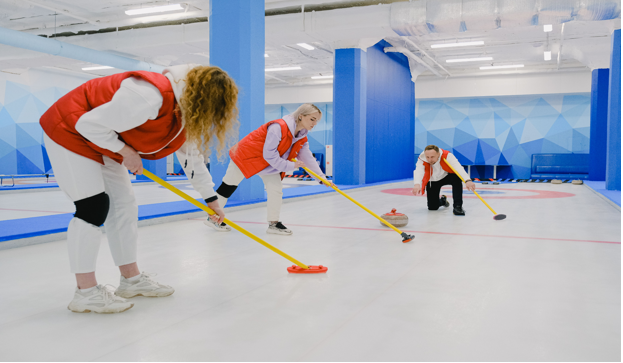
The goal is not to force the shoes to soften as quickly as possible. A gradual break-in period gives you time to assess the fit, get comfortable with the new slider, and make small adjustments while keeping your balance and delivery consistent.
Expect a Snugger Fit at First
New footwear often feels tighter around the heel, sides, and upper foot. The padding has not yet compressed, and the outer materials have not flexed through repeated movement.
A snug fit is usually fine as long as your toes are not crowded and circulation is not restricted. Sharp pressure, numbness, or ongoing pain may suggest the size or shape is wrong for your foot.
Your Slide May Feel Different
The slider on a new shoe can feel faster, slower, or unfamiliar compared with an older surface. Even a change in thickness or material can affect how confidently you move out of the hack.
Use your first few practice slides to notice how the shoe responds. Start with controlled deliveries rather than full power, and allow time to adjust your balance and release.
Wear Them During Practice First
Avoid wearing new curling shoes for the first time during a game. A practice session lets you test the fit, lacing, grip, and slide without worrying about the score.
During the first few uses:
- Lace the shoes firmly without overtightening
- Wear the same socks you use
- Practice slow and full deliveries
- Check for heel movement or pressure points
- Inspect the slider and gripper after play
Small adjustments are easier when you are not under game pressure.
Break Them In Gradually
Wearing the shoes for shorter practice sessions can help the muscles adapt without creating soreness. You can also wear them at home on a clean, dry surface, but keep the slider protected.
Do not bend, heat, soak, or aggressively stretch the shoes. These methods can damage the structure, adhesive, or slider and may create an uneven fit.
Pay Attention to the Rest of Your Clothing
Comfort during delivery depends on more than footwear. Flexible curling pants allow your hips and knees to move freely, making it easier to judge whether discomfort comes from the shoes or restricted clothing.
Your socks also matter. Thick socks can make a properly sized shoe feel too tight, while thin socks may allow unwanted movement around the heel.
Know When Discomfort Is Not Normal
Mild stiffness usually improves over several practices. Blisters, persistent rubbing, tingling, or pain that changes your delivery should not be ignored.
Stop and check the fit if discomfort continues. Different lacing, a suitable insole, or advice from an equipment specialist may help, but shoes that remain painful may need to be exchanged before they show significant wear.
