The Role of Nitrous Oxide in Pediatric Dental Fillings
Why Pediatric Dentists Use Nitrous Oxide for Fillings
The Purpose of Nitrous Oxide in Dental Care
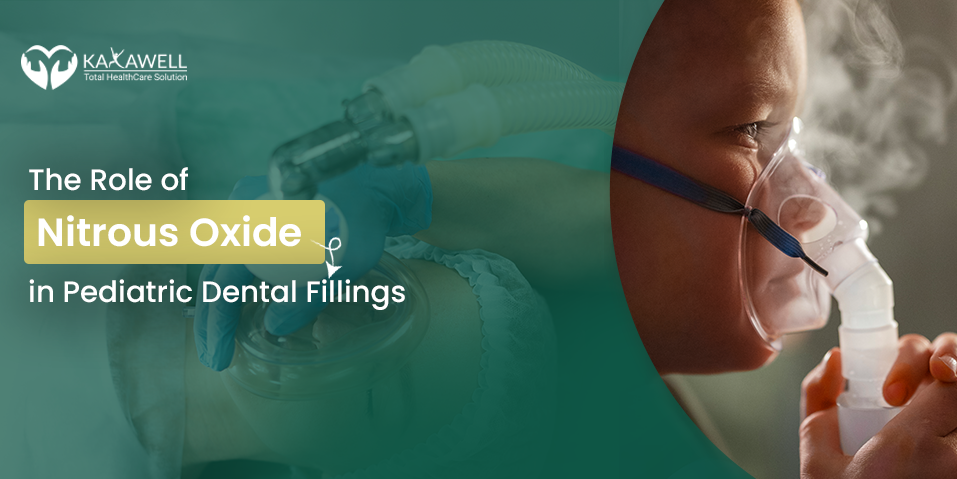
Nitrous Oxide for Pediatric Dental Fillings is a colorless, odorless gas that is inhaled through a small nose mask. Once inhaled, it creates a feeling of relaxation and euphoria—hence the nickname “laughing gas.” It works quickly and wears off just as fast, making it ideal for use in pediatric dental offices. Unlike general anesthesia, Nitrous Oxide for Pediatric Dental Fillings allows the child to remain awake and responsive while reducing discomfort and anxiety.
Pediatric dentists use nitrous oxide to create a more positive and manageable experience, especially when treating cavities that require fillings. Because many children feel nervous at the dentist, this gentle sedative can help avoid fear-based resistance that might otherwise make treatment difficult.
How It Helps Children Stay Calm During Procedures
For children, especially those visiting the Pediatric dentist for the first time or undergoing their first filling, unfamiliar sounds, sensations, and instruments can be overwhelming. Nitrous oxide helps take the edge off:
- Reduces fear and anxiety: Many children experience dental anxiety, and nitrous oxide helps soothe their nerves without putting them to sleep.
- Enhances cooperation: A calm and relaxed child is more likely to stay still during the procedure, making it easier for the pediatric dentist to work safely and efficiently.
- Minimizes discomfort: Although local anesthetic is still used, nitrous oxide enhances comfort and can make injections feel less intense.
- Improves memory of the experience: Kids under nitrous oxide may have limited memory of the procedure, which can help reduce future anxiety and build trust with their dentist.
Pediatric Dentist Insights on When It’s Recommended
Pediatric dentists carefully evaluate when to use nitrous oxide based on a child’s age, anxiety level, medical history, and the complexity of the procedure. It is often recommended in the following scenarios:
- Young or nervous children who struggle to sit still or experience high levels of fear.
- Children with special needs who may benefit from additional sensory support.
- Kids with multiple cavities requiring several fillings in one session.
- Patients with a strong gag reflex that could make procedures uncomfortable without sedation.
Safety is always a priority. Before administering nitrous oxide, the pediatric dentist will explain the process to parents, review the child’s medical background, and ensure there are no contraindications. The gas is always mixed with oxygen, and the flow is carefully adjusted throughout the appointment.
How Nitrous Oxide Works During a Filling Appointment
What Children Feel During Administration
The administration of nitrous oxide is simple and non-invasive. The child wears a small, soft mask over the nose, through which a carefully controlled mixture of nitrous oxide and oxygen is delivered. Most children respond well to the process and begin to feel the effects within a few minutes.
Typical sensations a child may experience include:
- A sense of relaxation and calm
- Tingling in the fingers or toes
- A feeling of being light or floaty
- Mild euphoria or giggles (hence “laughing gas”)
- Slight numbness in the cheeks or lips
Importantly, the child remains awake, alert, and responsive throughout the appointment. They can still hear and communicate with the pediatric dentist but feel far less nervous or bothered by the sights and sounds around them.
Timeline: Onset, Effects, and Recovery
One of the biggest advantages of nitrous oxide is its fast-acting nature and rapid recovery timeline, which makes it ideal for outpatient pediatric dentistry.
- Onset: The calming effects typically begin within 1–3 minutes of inhalation.
- Peak: After a few minutes, the child reaches a relaxed state, allowing the dentist to begin treatment.
- Duration: Nitrous oxide continues to be administered throughout the procedure to maintain comfort.
- Recovery: Once the gas is turned off, the child breathes 100% oxygen for several minutes. This clears the nitrous oxide from their system quickly, allowing them to return to normal alertness without lingering drowsiness or side effects.
Children are usually back to their normal selves before even leaving the dental chair and can safely resume normal activities afterward, including eating and attending school in most cases.
Pairing Nitrous Oxide with Local Anesthesia for Comfort
While nitrous oxide helps reduce anxiety and enhance the overall experience, it does not completely eliminate pain. That’s why pediatric dentists often pair it with local anesthesia—a numbing injection—to ensure the area being treated is fully desensitized.
Here’s how the combination works:
- Nitrous oxide is given first to help the child relax before the local anesthetic is administered.
- With the child calm, the numbing injection is far more tolerable, even for younger or more sensitive patients.
- Once the tooth is numb and the child is relaxed, the filling procedure begins with minimal stress or discomfort.
Safety and Monitoring Protocols for Children
Pediatric Dentist Procedures for Safe Dosing and Supervision
Pediatric dentists are specially trained to administer nitrous oxide with precision and care. The process begins with a thorough review of the child’s medical history, current medications, and any known allergies or respiratory issues. This ensures the child is a good candidate for sedation.
Key safety procedures include:
- Customized dosing: The flow of nitrous oxide is carefully titrated based on the child’s size, age, and anxiety level. It’s always mixed with oxygen (usually at a 30-70% ratio or lower for nitrous) to ensure safe and controlled delivery.
- Continuous monitoring: During the appointment, the child’s vital signs—such as breathing, heart rate, and responsiveness—are monitored in real-time.
- Trained staff presence: A certified dental team member is always present to observe and respond immediately if any adjustment is needed.
- 100% oxygen flush: At the end of treatment, the child breathes pure oxygen for 5–10 minutes to flush the nitrous oxide out of their system and avoid lingering effects like dizziness.
Why Nitrous Oxide Is Considered Safe for Most Children
Nitrous oxide is considered extremely safe when used by a qualified pediatric dentist. Its benefits include:
- Rapid onset and reversal: The gas takes effect within minutes and wears off just as quickly once stopped, leaving no sedative hangover.
- Non-invasive delivery: Since it’s inhaled through a mask, there are no injections or pills required for sedation.
- Minimal systemic impact: Nitrous oxide does not stay in the body or affect major organs once the oxygen flush is complete.
- Low risk of allergic reaction: It is chemically stable and rarely causes allergic responses or interactions with medications.
Most healthy children over the age of three can safely receive nitrous oxide, although some children with respiratory conditions like asthma or severe nasal congestion may not be suitable candidates.
Common Side Effects and How They Are Managed
Although rare and usually mild, some side effects of nitrous oxide can occur. Pediatric dentists are prepared to recognize and manage them promptly.
Common side effects may include:
- Dizziness or lightheadedness
- Nausea or vomiting (especially if the child has eaten right before the visit)
- Shivering or sweating
- Headache after treatment (usually from not receiving oxygen at the end)
To manage these side effects, pediatric dentists follow best practices such as:
- Recommending light meals only before the appointment
- Administering 100% oxygen post-treatment to reduce headaches or nausea
- Stopping the gas immediately if a child shows signs of discomfort
- Monitoring the child closely after the procedure and advising parents on what to expect at home
Benefits of Using Nitrous Oxide for Pediatric Patients
Reduces Fear, Anxiety, and Resistance During Treatment
One of the most common challenges in pediatric dentistry is managing a child’s fear or anxiety. Whether it’s the sound of dental tools, the idea of discomfort, or general fear of the unknown, many kids feel apprehensive about treatment. Nitrous oxide plays a key role in easing these emotions.
Benefits include:
- Creates a calming effect within minutes, helping the child feel relaxed
- Reduces sensitivity to pain and pressure, making the treatment feel less intense
- Improves cooperation, allowing the child to sit still and follow instructions more easily
- Builds confidence for future visits by creating a more pleasant dental experience
By keeping anxiety levels low, nitrous oxide helps form a positive relationship between the child and their pediatric dentist, which is essential for long-term oral health.
Helps Children with Special Needs or Strong Gag Reflexes
Children with sensory processing challenges, ADHD, autism, or developmental delays may require additional support during dental visits. Nitrous oxide provides a gentle and effective option for helping these patients receive the care they need.
Key advantages for special needs patients include:
- Minimizing overstimulation in the dental environment
- Improving focus and tolerance for treatment procedures
- Supporting children with communication barriers who may not fully understand or respond to instructions
- Reducing physical responses such as a strong gag reflex, which can otherwise complicate dental work
For children who struggle with sensory sensitivities or behavioral challenges, nitrous oxide allows for a smoother, less distressing experience—while maintaining full safety and responsiveness.
Allows Dental Work Like Fillings to Be Completed Smoothly
When a child is anxious or unable to sit still, even simple dental procedures like fillings can become difficult or prolonged. Nitrous oxide streamlines the process by improving cooperation and minimizing interruptions due to fear, movement, or emotional outbursts.
Benefits for the dental procedure itself include:
- Faster and more efficient treatment due to reduced movement
- Lower risk of complications caused by sudden reactions or physical resistance
- Higher success rate for completing treatment in a single visit
- Less emotional trauma, reducing the chance of dental phobia later in life
When Nitrous Oxide May Not Be Recommended
Medical Conditions or Behavioural Factors That Affect Use
Some children may have medical or behavioural conditions that make the use of nitrous oxide either ineffective or potentially risky. These include:
- Respiratory conditions such as severe asthma, chronic bronchitis, or nasal congestion that limit the child’s ability to inhale the gas properly
- Certain neurological or psychological disorders where the child may react unpredictably to sedation
- Children with recent ear infections or middle ear surgeries, as pressure changes from nitrous oxide may cause discomfort
- Severe anxiety or behavioural resistance that prevents the child from tolerating the nose mask or remaining seated long enough for the sedation to take effect
In these cases, a pediatric dentist may recommend other approaches to ensure the child’s safety and comfort during treatment.
Alternatives Like Oral Sedation or Behaviour Management Techniques
If nitrous oxide isn’t suitable, there are several alternatives that pediatric dentists may consider:
- Oral sedation: Involves administering medication by mouth prior to the procedure. It provides deeper sedation than nitrous oxide and is often used for more complex treatments or extremely anxious children.
- IV sedation or general anesthesia: Reserved for more serious procedures or patients with special healthcare needs who require full sedation in a controlled setting.
- Behaviour management techniques: These include tell-show-do, distraction (such as video goggles), positive reinforcement, and parental presence—tools that help children feel safe and supported without sedation.
Every child is different, and the approach is tailored to what will help the child receive care safely and with minimal stress.
Pediatric Dentist Evaluation Prior to Use
Before recommending nitrous oxide, a pediatric dentist conducts a full evaluation that includes:
- Reviewing medical history: Including allergies, medications, past surgeries, and any chronic conditions
- Assessing behavioural and emotional readiness: Understanding how the child responds to new environments and instructions
- Discussing parental concerns: Ensuring that caregivers are fully informed and comfortable with the sedation plan
- Checking for contraindications: Such as recent illness, nasal blockage, or a history of adverse reactions to sedation
Preparing Your Child for a Filling with Nitrous Oxide
What Parents Can Expect Before, During, and After the Appointment
Before the Appointment:
- Fasting guidelines: In most cases, pediatric dentists recommend that children eat a light meal or snack no later than two hours before the procedure to reduce the risk of nausea.
- Medical history check: Be prepared to review your child’s current health, medications, and any past issues with sedation.
- Parent-child preparation: Explaining what will happen in simple, reassuring language can ease your child’s worries.
During the Appointment:
- Your child will wear a small mask over the nose to inhale the nitrous oxide.
- The gas takes effect within a few minutes, helping your child feel calm and relaxed.
- A local anesthetic will be administered to numb the tooth before the filling begins.
- The pediatric dentist and team will monitor your child throughout the procedure for safety and comfort.
After the Appointment:
- Nitrous oxide is flushed out with 100% oxygen, which helps your child return to normal alertness quickly—usually within minutes.
- Most children feel back to themselves right away and experience no lingering effects.
Tips for Reducing Nervousness in Young Patients
Helping your child feel more at ease can make a big difference. Here are a few tips:
- Use positive language: Avoid words like “needle,” “drill,” or “pain.” Instead, talk about how the dentist is going to “clean and fix the sugar bug” in their tooth.
- Bring a comfort item: A favorite stuffed animal or small toy can provide reassurance.
- Practice at home: Role-play a dental visit at home, letting your child “be the dentist” to get familiar with the idea.
- Stay calm and confident: Children often take emotional cues from their parents. If you’re relaxed, they’re more likely to be, too.
Post-Treatment Care and When to Return to Normal Activities
Recovery from nitrous oxide is fast, and most children can resume their daily activities shortly after the appointment. However, here are a few post-treatment care tips:
- Wait until the numbness wears off: This usually takes 1–2 hours. Offer soft foods to prevent accidental cheek or lip biting.
- Monitor for mild side effects: Rarely, a child may feel slightly tired or nauseous. Allow them to rest if needed.
- Encourage gentle brushing: That evening, your child can resume regular brushing, but gently around the treated area.
- Return to normal activities: Most children can return to school or play later the same day unless otherwise advised by the pediatric dentist.