
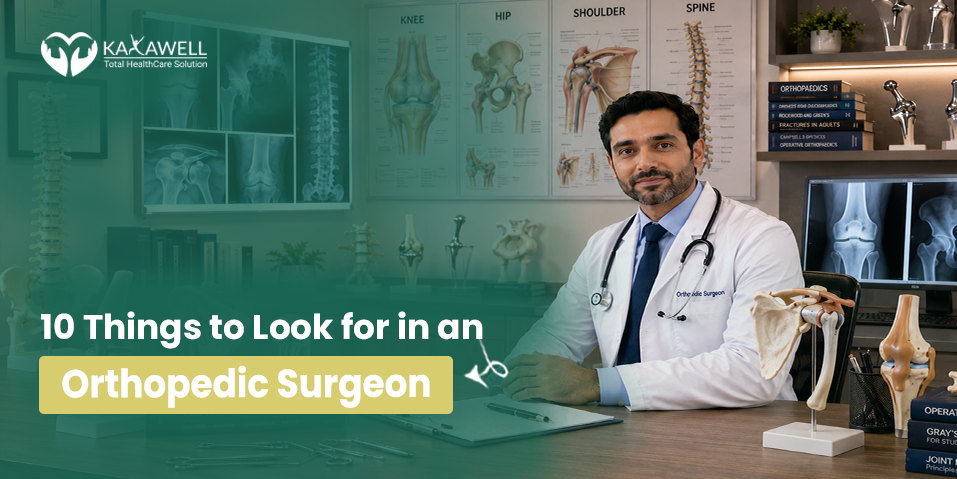
10 Things to Look for in an Orthopedic Surgeon
In certain fields like orthopedic Surgeon, you are heavily relying on the specialization and the experience of the doctor in the field rather than on other factors. No matter the type of pain, such as chronic knee pain, a sports injury, arthritis, or considering shoulder surgery, the quality of your orthopedic care directly impacts your recovery, mobility, and long-term joint health.
Many patients make the mistake of choosing the first available provider without understanding what truly separates a great orthopedic specialist from an average one. Orthopedic treatment is not just about surgery; it is about diagnosis, conservative treatment options, rehabilitation planning, and long-term care.
If you are searching for an experienced orthopedic surgeon in Royal Oak, where a high volume of orthopedic cases are managed daily, knowing what to look for can help you avoid unnecessary procedures, reduce recovery time, and improve treatment outcomes. Here are 10 essential things to consider before choosing your orthopedic specialist.
1. Joint Specialization Matters
Orthopedics is a wide discipline, and not all surgeons have expertise in all the joints. Others specialize in knees and hips, while some specialize in shoulders, spine, hands, or sports injuries.
If you are looking to have your shoulder fixed, then you should always see a surgeon who specializes in repairing rotator cuff tears, labral tears, frozen shoulder, and shoulder replacements, because their work will be better than that of a general orthopedic.
The advantages of specialization include greater experience, enhanced accuracy of surgery, and enhanced knowledge of the rehabilitation of the joints. Specialized joint surgeons can also help with complex cases and avoid unnecessary complications in the future.
2. Exposure to Your Special Condition.
There are no identical orthopedic cases. A surgeon might be a master of joint replacement and less of a sports medicine surgeon or minimally invasive.
Inquire about the frequency of their treatment of your specific condition. It can be arthritis or ligament rupture, tendon tears, fracture, or shoulder operation, but with practice, clinical judgment becomes more robust, and outcomes are improved.
3. Conservative Treatment First
A reliable orthopedic surgeon is not in a hurry to go to the operating room. The most qualified professionals will never consider surgical intervention before trying to find other options that are less invasive.
This may include:
• Physical therapy
• Anti-inflammatory medications
• PRP therapy
• Cortisone injections
• Gel injections
• Weight management
• Lifestyle modifications
Surgery is not the first line of treatment, but the last resort. A conservative surgeon would typically be concerned with long-term patient outcomes as opposed to expediency.
4. Proximity and Accessibility
The factor of convenience is more important than most patients would assume. Physical therapy coordination, follow-up visits, post-operative checkups, and urgent consultations are also easier when your surgeon is close by.
By choosing an orthopedic surgeon near you, you will have the benefit of faster appointments, less travel time, and a more seamless flow of care. Follow-up is of utmost importance, especially after shoulder surgery. Traveling long distances can exacerbate recovery rather than being required. A local surgeon enhances uniformity and minimizes treatment time.
5. Quality of Surgical Facilities and Hospital Affiliations.
The place where your surgeon does the operations is as important as the person doing them.
Look into:
• Hospital reputation
• Surgical center quality
• Infection control standards
• Advanced imaging availability
• Rehabilitation support
• Emergency backup systems
A well-trained surgeon in a facility that is not well-equipped poses unneeded risks. Good hospital affiliations are usually an indicator of professional credibility and enhanced patient safety.
6. Effective Communication and Education of Patients.
Treatment of orthopedic conditions may be overwhelming, particularly when you are undergoing surgery. A surgeon should be a good one who makes you comprehend your diagnosis and every choice.
They should answer your concerns and common questions like:
Should I undergo surgery?
What will happen if I wait?
What is it like to recover?
What are the risks?
What is the success rate of this process?
Patients should not be hurried or left confused. Effective communication fosters trust and aids in alleviating anxiety about such procedures as shoulder surgery.
7. Good Reviews and Customer Testimonials.
Consultations do not always tell everything about patients, which can be easily found out when they review it.
Seek regular feedback on:
• Professionalism
• Wait times
• Surgical outcomes
• Staff behavior
• Recovery support
• Long-term patient satisfaction
A surgeon who has good testimonials is a sign of consistency, rather than a few cases of success. In the process of finding an orthopedic surgeon Royal Oak, the local patient experience can be a significant source of information on how the practice, in fact, functions.
8. Surgical Methods and Techniques
In recent years, orthopedic medicine has greatly progressed. The recovery expectations have changed due to minimally invasive procedures, robotic-assisted surgery, ultrasound-guided injections, and biologic therapies.
An orthopedic surgeon in the modern world will offer:
• Arthroscopic procedures
• Minimally invasive surgery
• Robotic joint replacement
• PRP and regenerative medicine.
• Advanced rehabilitation planning
This is particularly crucial before shoulder surgery, as the accuracy could make a major difference in the restoration of mobility and the rate of recovery. The modern modes of treatment offer minimal suffering and a quicker recovery.
9. Personalized Recovery Planning
Surgery has not been the only aspect of orthopedic care. The ultimate result is usually defined by the recovery planning.
A surgeon is a great man and gives a roadmap to:
• Pain management
• Physical therapy
• Activity restrictions
• Return-to-work planning
• Long-term joint protection
Patients require real expectations, and not empty promises. Rehabilitation is all, particularly following a shoulder surgery. Even technically successful surgery may have poor long-term outcomes without a well-organized recovery plan.
10. Trust Your Instincts
Lastly, there is a reason why a consultation with the surgeon is recommended. You need to ask yourself after the first meeting: Do you trust this doctor? Do they pay close attention to your concerns? Did they educate you about the procedure? Did they explore the non-surgical methods first?
The orthopedic care is usually a long-term relationship. In case something seems hurried, dismissive, or not understood, it is alright to get a second opinion.
Conclusion
The choice of an orthopedic surgeon is not only a matter of qualification, but a matter of trust, experience, communication, and the belief that your care strategy is geared towards your long-term health. The difference between a temporary relief and sustainable recovery may be the right specialist, whether you have arthritis, are on a road to recovery post-injury, or are going to have shoulder surgery.
When searching for an orthopedic surgeon in Royal Oak who is experienced, specializes in joints, has a conservative treatment philosophy, is accessible, and has demonstrated good results using the surgeon, then look at the attributes of that surgeon. It is not about surgery per se, but about getting you back to living the life that you desire, and it involves fixing movement, pain, and getting you back to where you need to be.
