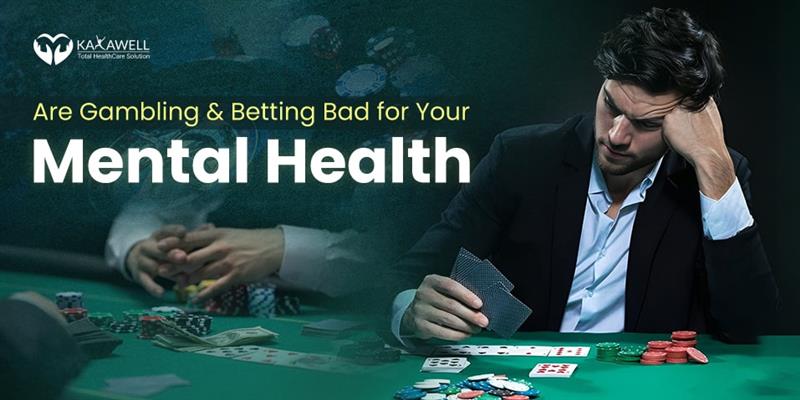
Are Gambling and Betting Bad for Your Mental Health?
Gambling and betting are often seen as harmless ways to unwind, have fun, or potentially earn some money. However, for many individuals, even casual gambling can lead to serious mental health challenges. Mindfulness—a key part of maintaining good mental health—is essential when discussing the impact of gambling. In fact, it’s hard to separate conversations about mental health without considering how gambling behaviors can affect emotional well-being.
So do gambling and betting negatively affect your mental health? The short answer is yes. When gambling becomes compulsive or interferes with our daily lives, the risk of mental illness is very high. People who struggle with problem gambling often experience anxiety, depression, stress and isolation. These emotional problems can reoccur even after the financial issues have been resolved.
In this article Kayawell explores the link between gambling and mental health, the psychological aspects of problem gambling and the benefits of peer support for problem gambling; and considers how specialized treatment programs such as Icarus can help people on their journey to long term recovery.
Understanding Problem Gambling as a Behavioral Health Issue
Problem gambling is more than just money or poor decision making. It is a behavioral health problem with strong emotional and psychological foundations. Like other addictions, it may be an attractive coping mechanism that provides temporary relief from stress, trauma, or mental health disorders. That relief is short-lived.
Over time gambling can become a compulsive behavior motivated by the reward system of the brain. The same neuronal pathways implicated in substance use disorders are usually activated in gambling disorders. This is why people with gambling disorders may keep gambling even when it causes them problems, such as losing money, having difficult relationships, losing their job or getting arrested.
Same thing goes for the emotional side. Lots of people tell us they feel guilty, ashamed and hopeless because it takes an unwillingness to stop that creates a vicious circle of emotional suffering that doesn’t seem to get undone without help.
Mental Health Consequences of Gambling and Betting
Most people underestimate the harm gambling can do to your mental health. It ‘s not just bad for the money aspect of it, its emotionally as well and sometimes more.
Anxiety and Stress
One of the emotional effects of gambling is increased stress. Spending so much time constantly trying to beat the losses, making yourself invisible to loved ones, and worrying about financial ruin can lead to chronic anxiety. It can also get worse over time and cause physical symptoms such as insomnia, headaches, and high blood pressure.
Depression and Suicidal Ideation
The relationship between gambling addiction and depression is well established. The experience of winning and losing often leads to profound feelings of depressedness paired with mounting debt, and damaged relationships. In severe cases people may have suicidal ideas, especially if they feel like they have no choice or a way out.
Isolation and Relationship Breakdown
Often times people who have a gambling problem isolate themselves from family and friends out of shame or fear of judgment. As a result this isolation can aggravate existing mental health problems, as well as leave people without the emotional support they need. Relationships with spouses, children, and close friends can also be damaged by the secrecy and financial instability.
The Role of Peer Support for Problem Gambling
Recovery from gambling isn’t about willpower, or cutting off your credit cards. It’s about understanding the underlying emotional and psychological causes and having some sort of safe space to talk about these things. That’s where peer support for problem gambling comes in.
Peer support might offer something that traditional therapy alone probably can’t: lived experience. If you get a client with gambling difficulties and talk to a peer who has gone through it, you can immediately feel validated and understood because peer supporters really do sympathize with the client because they’ve been there.
Because of group support options (e. g. face-to-face or online), people can listen to others’ stories, work on their own, and feel they are not alone. When people feel they are not alone, they feel less shame and build trust.
In many recovery communities, peer support is an essential component of healing. It’s an additional service to “professional care” that provides much-needed encouragement, accountability, and emotional support.
Why Peer Support Worksheets
The reason peer support can be so effective is because people who have experienced the disease of gambling can relate to what you’re going through, in a way that clinical professionals at times can’t (they’ll know all the excuses, the rationalizations, the self-doubt and fear of turning it off), and they’ll also know the hope.
Peer support often provides:
- A sense of belonging and connection
- A judgment-free space to be honest
- Accountability through shared goals
- Role models who demonstrate that recovery is possible
When part of a comprehensive recovery program, peer support reduces the risk of relapse as well as builds emotional stability over the long term.
How Gambling Affects Co-occurring Mental Health Disorders
Co-occurring mental health conditions often present with gambling addiction. Depression, anxiety, post traumatic stress disorder, bipolar disorder and substance use disorders are commonly associated with gambling addiction.
In some cases gambling emerges as a way to get away from symptoms of an already present mental health condition. In other cases the stress of gambling actually causes a mental health problem. Either way untreated co -occurring disorders will make recovery very difficult.
Effective treatment requires a holistic approach where addiction is treated along with any other mental health conditions. This is where programs like Icarus offer gambling rehab programs. Icarus provides specialized care tailored to the unique requirements of those with addiction as well as mental health conditions.
Icarus Offers Gambling Rehab Programs Designed for Whole-Person Healing
If you, or someone you care about, is struggling, it’s important to find a treatment program that goes beyond just the behavior. Icarus offers gambling rehab programs specifically designed to treat not only the behavioral problem but also the emotional and psychological aspects as well.
These programs often include:
- Clinical therapy (CBT, DBT, trauma-informed care)
- Group therapy with peers in recovery
- Medication management, when needed
- Family counseling to rebuild trust
- Life skills and relapse prevention planning
- Problem gambling peer support is included at all stages of treatment
Basically what separates these programs from others is that they offer a holistic view of recovery. It ‘s not just about stopping behavior but building a life you can remain in recovery for.
Common Questions About Gambling and Mental Health
Can someone gamble occasionally without it being harmful?
Yes there are people who have fun with gambling recreationally without any negative effects. The difference is it is controlled gambling. Once it starts affecting your work/ relationships/ emotional health you need to seek help.
Is online betting more dangerous than in-person gambling?
Online gambling also allows gamblers to gamble more frequently and in isolation, increasing the risk of problems with problem gambling. The accessibility and anonymity of online gambling can lead to symptoms having a greater incidence.
How can family and friends help someone struggling with gambling?
Support should start with compassion and education. Don’t judge, and encourage the person to seek professional and peer-based help. Supporting family involvement in treatment can be extremely healing.
Is recovery from gambling addiction really possible?
Absolutely. with the proper intervention ( therapy, peer support and lifestyle change ) people can be long term recovered and live again.
The Path Forward
Gambling and betting are not necessarily “bad” in any way, but when they become compulsive or harmful the consequences can be severe. The emotional toll is often hidden from view, but it is a pretty real one. Shame, anxiety, isolation and depression can also be close companions when a person experiences problem gambling.
Fortunately, there is hope. Through peer support for problem gambling, integrated treatment programs (like those available through Icarus) and an understanding of the complex mental health landscape, people can begin to heal not just from the addiction itself, but also from the emotional scars of it.