
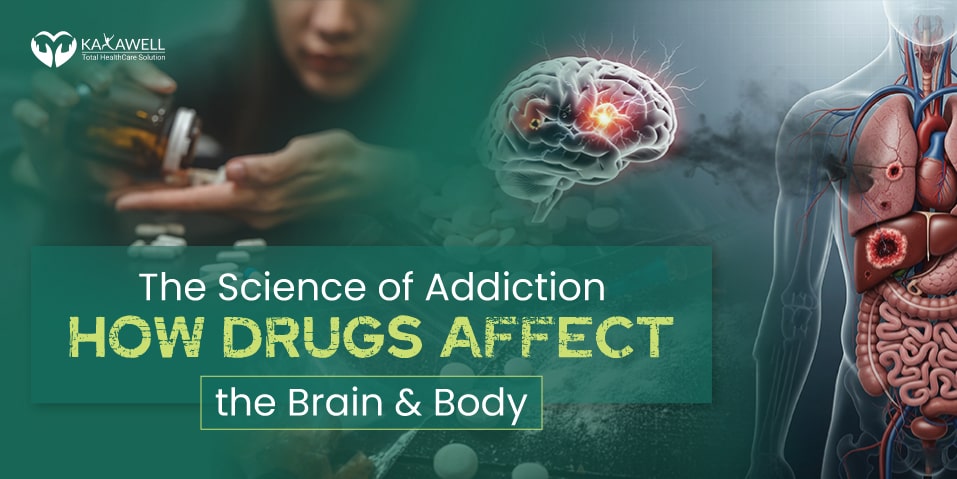
The Science of Addiction: How Drugs Affect the Brain and Body
Addiction is often misunderstood as a lack of willpower, but science tells a different story. Drugs affect the brain and body in real, measurable ways—altering decision-making, memory, and how we handle stress and emotions. Drug addiction changes the way both the brain and body function. These changes help explain why people continue using substances even when they’re causing harm. In this blog, we’ll break down how drugs affect the brain, what happens in the body during drug use, and how understanding these effects can help us treat addiction more effectively.
What Is Addiction?
Addiction is a chronic condition, meaning a person continues to use a substance despite experiencing negative consequences.Over time, the brain becomes wired to prioritise the drug over almost everything else. Relationships, work, even health.
This isn’t about weakness or lack of motivation. Addiction involves real chemical changes in the brain.
How Drugs Affect the Brain’s Reward System
The brain has a reward system that helps us feel good when we do things like eat, exercise, or spend time with loved ones. Drugs hijack this system.
Here’s how it works:
Drugs flood the brain with dopamine, a feel-good chemical
This creates an intense sense of pleasure or “high”
Over time, the brain produces less dopamine naturally
Everyday pleasures no longer feel rewarding
As this cycle continues, people may feel they need the drug just to feel “normal.”
Long-Term Brain Changes Caused by Addiction
The longer someone uses drugs, the more deeply these changes take hold. Key areas of the brain affected include:
● Prefrontal cortex: This part controls decision-making and impulse control. Drug use can weaken this area, making it harder to resist cravings.
● Amygdala: Involved in emotion and stress. Changes here can make someone feel anxious, depressed, or irritable when not using.
● Hippocampus: Linked to memory and learning. Drug use may affect how people remember events or learn from mistakes.
These changes are why quitting drugs isn’t just about making a firm decision. The brain may need time and support to recover.
How Drugs Affect the Body
Beyond the brain, drug use also takes a toll on the body. Different substances affect different systems, but common issues include:
Heart problems: Stimulants like cocaine can raise heart rate and blood pressure, increasing the risk of heart attack
Liver damage: Alcohol and some drugs put stress on the liver
Respiratory issues: Smoking or inhaling drugs can damage the lungs
Immune suppression: Regular drug use can weaken the immune system
Physical health often worsens the longer the use continues, making early intervention important.
Read More:80 More Fixed-Dose Combination Drugs Banned By Health Ministry
Why Understanding the Science Matters in Recovery
Understanding how drugs affect the brain and body helps shift the view of addiction from being a personal weakness to a legitimate medical condition that needs proper care and treatment. When people learn the science behind addiction, it often reduces feelings of shame or guilt, encourages loved ones to offer more informed support, and prompts earlier help-seeking behaviour.
It also supports more tailored, effective treatment plans. Recovery goes far beyond simply stopping drug use—it involves healing the brain, restoring physical and mental health, and building new, healthier habits for lasting change.
Key Takeaways
Drugs flood the brain with dopamine, a feel-good chemical.
Long-term use alters brain function and decision-making
Addiction affects both mental and physical health
Understanding the science of addiction helps people make informed choices
Recovery is possible with the right treatment and support
FAQs
Is addiction a brain disease?
Yes. Addiction causes changes in brain function and structure, especially in areas related to motivation, impulse control, and reward.
Can the brain heal after addiction?
Yes, but it takes time. With proper support, many brain functions can begin to improve after a person stops using drugs.
Is addiction always lifelong?
Not necessarily. Some people fully recover and no longer feel strong cravings; meanwhile, others continue to manage their recovery long-term. Ongoing support is key.
Looking for a place to start fresh and better understand how drugs affect your mind and body?
At Southern Highlands Addiction Retreat, we understand the science behind addiction and more importantly, how to support real recovery. Our peaceful 100-acre retreat is designed to help you heal, rebuild, and move forward with confidence.
Your brain and body deserve a chance to recover; We’re ready to support you whenever you’re ready.
