
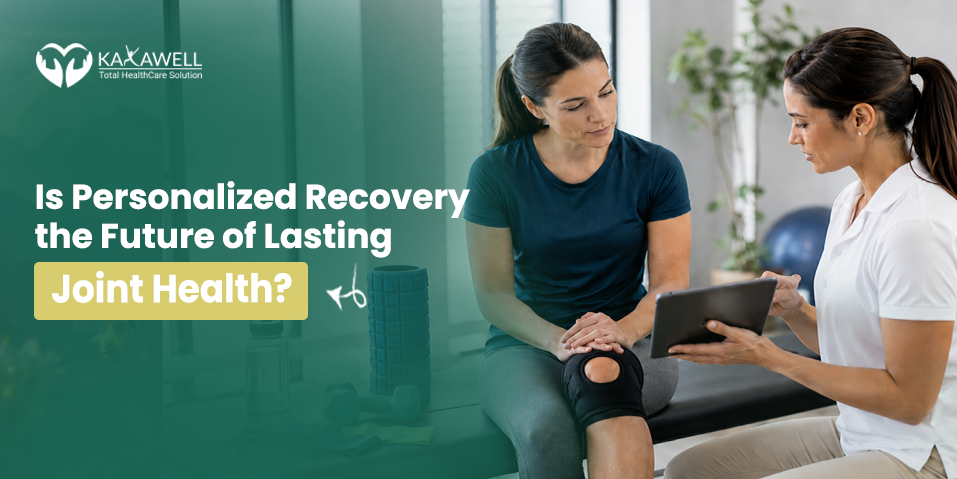
Is Personalized Recovery the Future of Lasting Joint Health?
Joint health discomfort is no longer viewed as an unavoidable consequence of aging or an issue reserved for athletes. Modern rehabilitation has shifted toward personalized care that addresses movement quality, muscle balance, inflammation, and long term mobility. This evolving approach is changing expectations for treating chronic hip pain, allowing individuals to regain confidence in everyday activities through targeted rehabilitation instead of relying solely on temporary symptom relief.
A New Era of Personalized Musculoskeletal Care
Healthcare has entered a period where rehabilitation programs are becoming increasingly individualized. Rather than applying identical treatment plans to every patient, clinicians now evaluate movement mechanics, daily routines, strength deficits, flexibility, posture, and lifestyle factors before developing a recovery strategy.
This personalized model recognizes that no two people experience joint discomfort in the same way. Office workers may develop mobility limitations from prolonged sitting, while runners often experience repetitive stress injuries. Older adults frequently encounter reduced flexibility alongside muscle weakness, whereas younger individuals may struggle with instability caused by sports participation.
These differences require equally unique rehabilitation approaches that evolve as recovery progresses.
Modern Rehabilitation Looks Beyond Temporary Relief
For many years, healthcare largely focused on minimizing discomfort through medication, temporary rest, or generalized exercise recommendations. While these approaches may provide short term relief, they often fail to address the underlying movement patterns responsible for recurring problems.
Contemporary rehabilitation places greater emphasis on restoring normal function by improving joint mobility, muscular coordination, balance, flexibility, and strength. This comprehensive strategy supports long lasting improvement while helping reduce the likelihood of recurring limitations.
Movement specialists increasingly recognize that sustainable recovery depends on improving the body’s ability to move efficiently rather than masking discomfort.
Technology Is Reshaping Physical Recovery
Technology has dramatically improved the way rehabilitation professionals evaluate movement quality.
Digital posture assessments, gait analysis, mobility screening, strength testing, and functional movement evaluations provide valuable insights that were previously difficult to obtain. These assessments identify subtle asymmetries that may contribute to excessive joint stress during everyday activities.
Instead of making assumptions, clinicians can now build treatment plans using measurable findings that guide every stage of rehabilitation.
This evidence based approach allows progress to be monitored objectively while ensuring each exercise continues serving a meaningful purpose.
Functional Strength Is Becoming the Foundation of Recovery
Traditional exercise programs often isolate individual muscles. Modern rehabilitation emphasizes functional strength that reflects real life movement patterns.
Activities such as climbing stairs, getting out of a chair, lifting groceries, walking uphill, and maintaining balance require multiple muscle groups working together. Rehabilitation programs increasingly incorporate exercises that mimic these daily movements to improve coordination alongside muscular strength.
This integrated approach develops stability throughout the lower body while reducing unnecessary strain placed on surrounding joints.
Functional training also prepares patients for a smoother transition back into work, sports, recreation, and independent living.
Mobility Deserves Equal Attention
Strength alone cannot restore healthy movement.
Limited flexibility within surrounding muscles often changes joint mechanics, increasing stress during walking, bending, or standing. Rehabilitation, therefore, includes carefully selected mobility exercises that improve the range of motion while maintaining stability.
Improved flexibility allows muscles to generate force more efficiently while reducing compensatory movement patterns that may contribute to recurring discomfort.
The combination of strength and mobility creates a balanced foundation for healthier movement.
Everyday Habits Influence Long Term Outcomes
Modern rehabilitation extends beyond appointments inside the clinic.
Sleep quality, stress management, nutrition, hydration, workplace ergonomics, physical activity, and recovery habits all influence tissue healing and overall movement capacity.
Patients who understand how everyday behaviors affect recovery often experience more consistent progress because they actively support healing between treatment sessions.
Small lifestyle adjustments frequently produce meaningful improvements over time without requiring dramatic changes to daily routines.
The Importance of Early Assessment
Many people wait until symptoms significantly interfere with everyday life before seeking professional care.
Current rehabilitation philosophy encourages earlier assessment whenever persistent stiffness, reduced mobility, recurring discomfort, or movement limitations begin affecting normal activities.
Addressing minor movement dysfunctions before they become more significant often allows rehabilitation to progress more efficiently while reducing the likelihood of chronic compensation patterns developing.
Earlier intervention also helps individuals maintain independence, confidence, and participation in activities they enjoy.
Manual Therapy Has Become More Targeted
Hands on treatment remains an important component of comprehensive rehabilitation, but its purpose has become more focused.
Rather than relying exclusively on passive techniques, clinicians combine manual therapy with active rehabilitation exercises that reinforce improved movement immediately after treatment.
Soft tissue mobilization, joint mobilization, stretching techniques, and movement reeducation work together to improve mobility while preparing patients for strengthening exercises that support long term results.
This balanced approach encourages active participation throughout recovery.
Education Creates Better Recovery Experiences
Patients who understand their condition often recover with greater confidence.
Education includes learning how movement patterns affect joint health, recognizing when to modify activity, understanding recovery timelines, and gradually increasing physical activity without undue fear.
Rather than avoiding movement entirely, individuals are encouraged to remain appropriately active while respecting tissue healing.
This knowledge empowers patients to make informed decisions long after formal rehabilitation has concluded.
Collaborative Healthcare Improves Results
Successful rehabilitation increasingly involves collaboration among healthcare providers.
Physical therapists, chiropractors, physicians, massage therapists, exercise specialists, and other professionals may contribute their expertise as needed.
This collaborative model provides comprehensive care that addresses mobility, strength, biomechanics, functional performance, and long term wellness from multiple perspectives.
Communication between providers helps ensure treatment remains consistent and patient centered.
Preventive Care Is Receiving Greater Attention
Healthcare is gradually shifting from reactive treatment toward prevention.
Movement screenings, posture assessments, flexibility evaluations, and strength testing help identify potential risk factors before significant limitations develop.
Preventive rehabilitation encourages regular movement, balanced exercise routines, proper lifting mechanics, and healthy workplace ergonomics to support joint health over time.
Individuals who prioritize preventive care often maintain higher levels of physical function throughout adulthood.
Personalized Care Benefits the Upper Body as Well
The personalized rehabilitation model extends beyond lower body conditions.
Hand intensive occupations, repetitive workplace activities, sports participation, and prolonged computer use frequently contribute to tendon irritation around the wrist.
Targeted rehabilitation programs focused on therapy for wrist tendon conditions emphasize restoring normal movement, improving tendon capacity, reducing repetitive stress, and supporting long term hand function through individualized care plans.
This reflects the same evidence informed philosophy guiding rehabilitation across many musculoskeletal conditions.
Comprehensive Rehabilitation Supports Lasting Results
Long term improvement depends on combining multiple treatment strategies rather than relying on a single intervention.
Effective rehabilitation often includes movement assessment, progressive strengthening, flexibility training, balance development, functional exercises, education, manual therapy, and lifestyle modifications, working together toward shared recovery goals.
As patients gain strength and confidence, treatment plans continue evolving to match increasing physical demands while minimizing the likelihood of future setbacks.
This patient centered approach continues to shape the future of rehabilitation by prioritizing sustainable improvements in mobility, independence, and quality of life rather than temporary symptom management alone.
The Future of Joint Health Continues to Evolve
Personalized rehabilitation represents one of the most significant developments in modern musculoskeletal care. Advances in movement science, technology, exercise prescription, and patient education have transformed recovery into a highly individualized process focused on restoring meaningful function rather than simply reducing symptoms.
As research continues to expand our understanding of movement quality, biomechanics, and tissue adaptation, rehabilitation programs will become even more precise. This ongoing evolution offers individuals greater opportunities to maintain mobility, remain physically active, and preserve independence throughout every stage of life.
Sustainable joint health is increasingly built through informed assessment, progressive rehabilitation, consistent movement, and individualized care that addresses the unique needs of every person instead of applying one universal solution.