Breath, Body, and Spirit: Using Pranayama for Inflammation Reduction
The Hidden Epidemic Within
Millions of adults suffer from chronic inflammation, which is not frequently obvious. Most individuals may be experiencing day in and day out discomfort, fatigue or pain without even knowing that this is a result of inflammation. Heart disease, arthritis, diabetes, autoimmune disorders, and many others often have this subliminal origin.
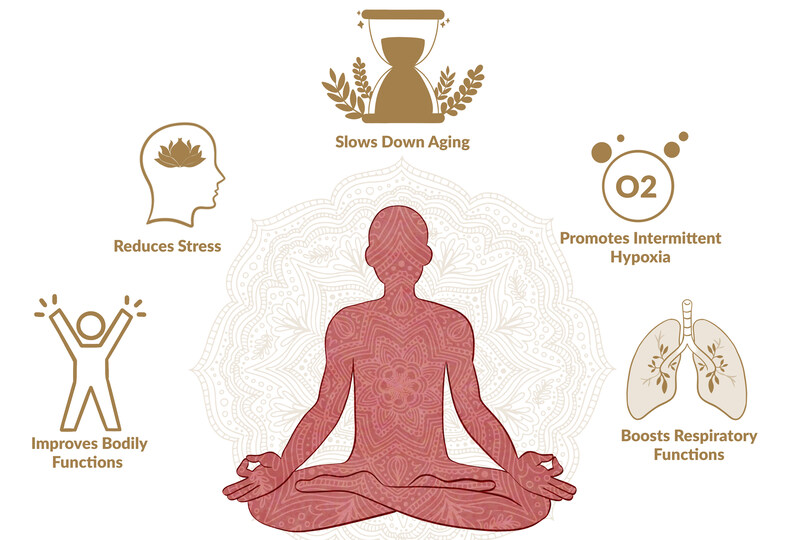
How mindful breathing restores balance by reducing stress, enhancing resilience, and supporting healthy aging.
Medical therapies are significant, but most individuals still experience side effects or partial alleviation. This has seen religious wellness pursuers venture into non-pharmaceutical and supportive methods. The breath is one of the most neglected tools for calming down inflammation.
The Bible teaches that life started with a breath. Breath is a gift of the deity, as opposed to a biological process, in Genesis. Pranayama, or controlled breathing, provides an approach to this gift that would be wise and thoughtful.
Understanding Inflammation
Why Inflammation Matters for Whole Body Health
The normal reaction of the body to an injury or infection is inflammation. In emergency cases, it facilitates recovery and healing. When the inflammation is prolonged and cannot be dealt with, the problem becomes a problem.
Chronic inflammation helps in tissue destruction and pathology. It contributes to cardiovascular disease, metabolic disease, joint degradation, immune malfunction and mood disorders. This low-grade inflammation is silent health destruction in the long term.
This process is greatly aggravated by stress. In case the body is constantly alerted, there is an increase in inflammatory signatures. In modern lives, the nervous system remains in a state of fight-or-flight constantly contributing to the inflammation.
The Science of Pranayama
How Controlled Breathing Influences Inflammation
Pranayama is a name derived from two words in Sanskrit, prana, which literally translates as life force, and ayama, which translates as control or expansion. It is not just deep breathing, but it is particular breathing methods that are designed to affect the physiology.
The studies are growing to confirm the findings that directed breathing has a direct effect on the nervous system. Digestion, immune response, and heart rate are controlled by the vagus nerve which is activated by slow, rhythmic breathing. There is an inverse relationship between strong vagal tone and inflammation.
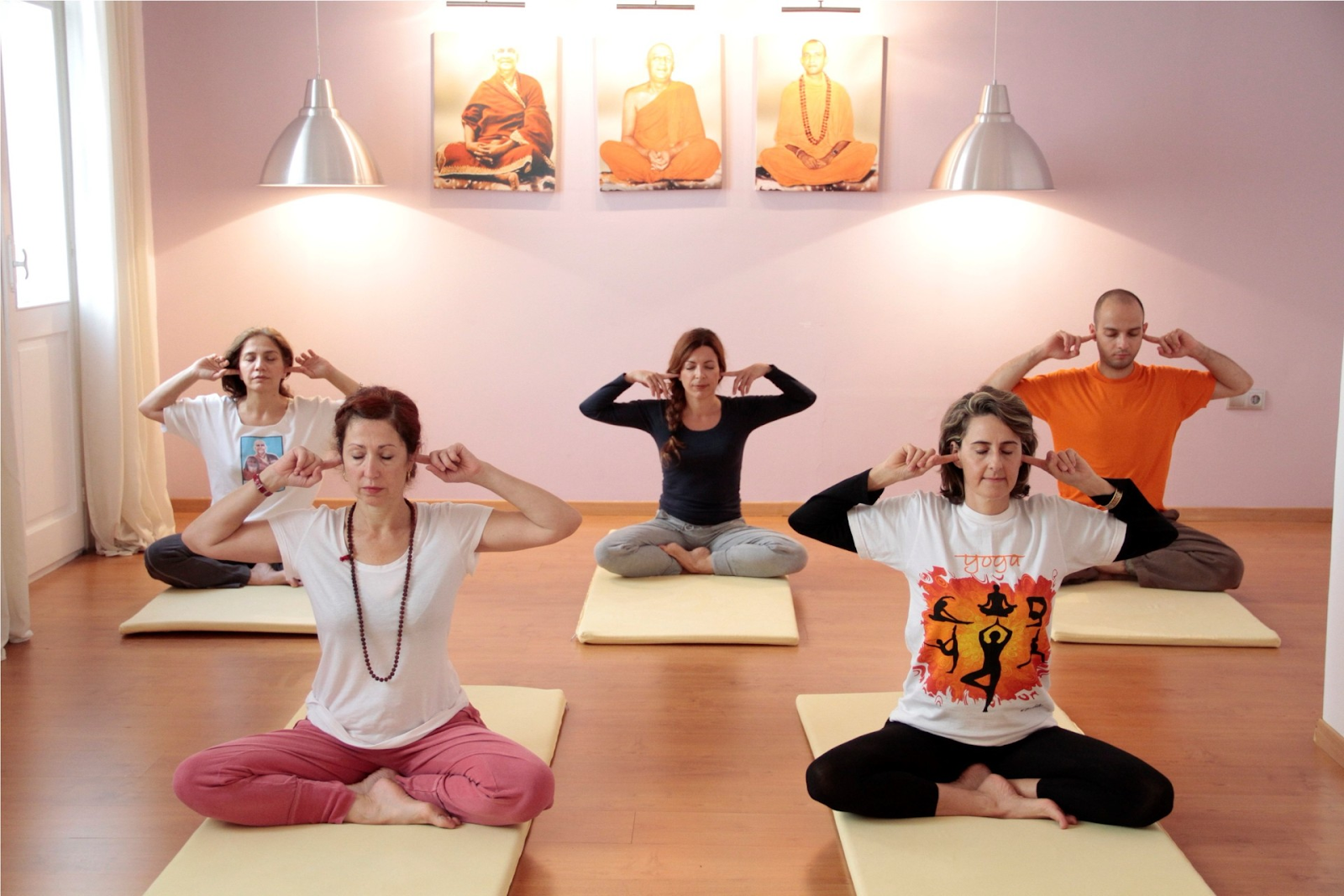
Guided pranayama practice cultivating calm focus, nervous system balance, and collective healing through breath.
The clinical data show the decrease of inflammatory conditions, including C-reactive protein and interleukin-6, with frequent practice of pranayama. The level of cortisol also goes down, making the body restore balance.
Breath as Stewardship
Deliberate breathing may be considered a practice of stewardship. The body also needs to be taken care of through the control of the stress reactions that cause inflammation. The Scripture explains that the body is a temple, and it should be taken care of and not neglected.
Pranayama is not used for medical treatment. It helps the body to heal naturally, through the establishment of a conducive environment that triggers the healing process.
While the pranayama techniques outlined below can be practiced independently, many individuals benefit from structured guidance that integrates breathwork with comprehensive wellness practices.
If you’re seeking a holistic approach that combines pranayama with other healing modalities, you may want to explore programs that offer systematic training in these ancient practices. To learn about the program, you can discover how breath-centered healing fits within a larger framework of mind-body wellness.
Pranayama Techniques for Inflammation
Accessible Practices for Daily Life
It does not require machinery, special garments or arduous hours to start. These activities may be carried out at home, at quiet times or even with prayer.
Diaphragmatic Breathing
This method stimulates complete oxygen uptake and vagal stimulation. Hold the hand on the belly and breathe in slowly, with the nose, as the belly rises on breathing in and drops on breathing out.
Five to ten minutes of practice every day decreases cortisol and soothes inflammatory reactions to stress. It is convenient to reflect on receiving peace with every inhale too many.
Alternate Nostril Breathing
The balancing of the nervous system is achieved through alternate nostril breathing. The body picks up the message of safety and control by exchanging the air across the nostrils.
The given practice is especially beneficial when it comes to inflammation caused by anxiety. In case the position of the hands is difficult physically, it is enough to visualize the pattern.
Extended Exhale Breathing
Extending the exhale period compared to the inhale triggers the parasympathetic response to a very high level. There are four counts of inhaling and eight counts of exhaling, which sends a strong message of calmness.
It is a useful method either before bedtime or when stressed. Extended exhales help turn off inflammatory stress signaling.
Coherent Breathing
Coherent breathing involves an equal number of inhales and exhales, usually of five seconds each. This beat maximises heart rate fluctuation.
Research has indicated that the rate has good anti-inflammatory effects in the event of continuous practice.
Integrating Pranayama into Daily Wellness
Making Breath a Sustainable Habit
Conventionality is more important than time. The shorter blocks of 5 minutes per day are better than longer blocks of 10 minutes, which are done 2 or 3 times individually, since the nervous system is more responsive to repetition than intensity.
Basic practices can be followed in pranayama. Associating the practice of breathing with the habits that are already present makes it automatic instead of a habit that has to be remembered.
Structuring Breath Throughout the Day
Morning breaths go nicely with scripture reading or prayer whereby a relaxed physiological tone is established at the beginning of the day. Such practice contributes to focus and emotional control and stress resilience prior to meeting external challenges.
The use of midday breathing acts as a reset. Even several minutes of pause are capable of interrupting the stress build-up and avoiding escalating inflammatory reactions.
The evening breathing helps the body to get ready for restful sleep. Slower breathing and longer breathing waves indicate a state of safety and the nervous system can relax.
Supporting Breath with Lifestyle Alignment
Pranayama works best alongside other divine health principles. Breathwork may be most useful under the conditions of anti-inflammatory nutrition, mild exercise, and rest.
When breathing and living go in harmony, then curing is cumulative and never disjointed.
When Professional Guidance Is Appropriate
The Role of Trained Practitioners
Basic pranayama is safe for most individuals. Nevertheless, individuals who have to deal with severe inflammatory states receive expert support to follow the correct method and timing.
The trained practitioners know contraindications of cardiovascular respiratory and autoimmune conditions. This minimizes the risk and enhances the results.
Education and Clinical Application
Therapeutic breathwork requires knowledge beyond general wellness practices. Personalized procedures consider the history of medicine, stress pattern and nerve system sensitivity.
Location of the link: Here should be an educational citation to professional training, like yoga therapy certification, which should not be in a promotional manner, but instead competence and patient safety of the practitioner.
Your Breath, Your Healing
Returning to Balance
Inflammation is not achieved in one night and healing is a long process. Pranayama is an unstrenuous method of supporting the body daily that is evidence-based.
You have the capacity to relax the nervous system in you. Each conscious breath invites restoration rather than force.
Honoring Divine Design
Divine health is the one that gives body, mind, and spirit the respect of being interconnected. You are actively involved in the process of healing which is woven in each breath that you breathe intentionally.
Pranayama is turned into a physical and a stewardship activity and helps in well-being in harmony with faith and physiology.