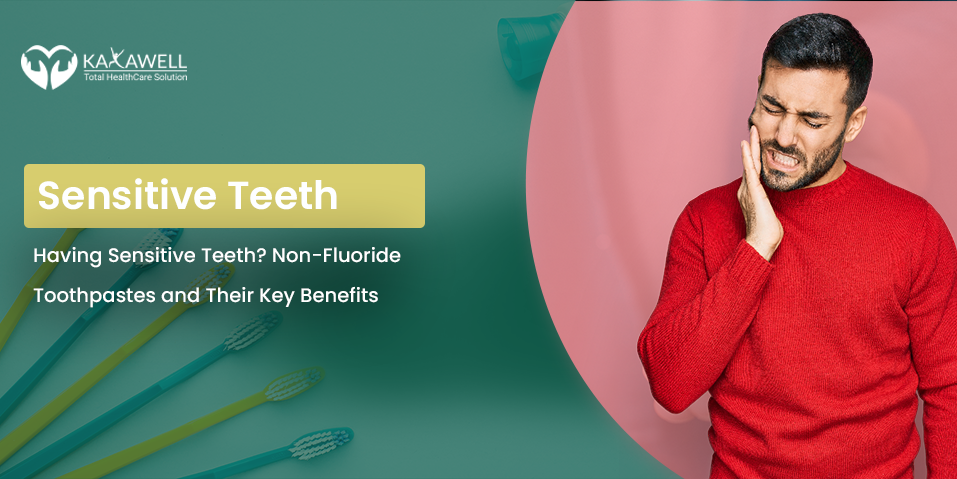
Having Sensitive Teeth? Non-Fluoride Toothpastes and Their Key Benefits
Have you been experiencing sensitive teeth? If yes, the right toothpaste can be the difference. Today, many people are moving towards using non-fluoride toothpaste as a better option. This form of toothpaste doesn’t just do a good job at cleaning your teeth. It also provides a softer touch that can be beneficial in overall oral care.
Understanding Non-Fluoride Toothpaste?
Non-fluoride toothpaste is a very common product we have today. Usually, it doesn’t contain fluoride. The component is not just traditionally applied to prevent cavities. It is also applied to make enamel hard. But it is not accepted by every person. This is due to multiple factors, including personal health considerations. Toothpaste without fluoride can’t just provide a safer option. It can also provide a less irritating alternative.
How Non-Fluoride Toothpaste Helps with Sensitive Teeth
Do you have sensitive teeth? Or do you feel pain when brushing? If yes, use products without fluoride. The following are reasons you should do so:
1. Reduced Irritation of Gums
Many traditional toothpastes are not recommendable to use. This is because they can irritate sensitive gums. But fluoride-free toothpastes are gentler on the gums.
2. Prevents Tooth Sensitivity
Tender teeth may be sensitive to hot or cold foods. The components of non-fluoride toothpaste can often create a protective coating over the teeth. This doesn’t just lessen sensitivity. It makes daily brushing less unpleasant, too.
3. Healthier Salivary Ingredients
Natural ingredients are commonly used in non-fluoride toothpaste. These ingredients don’t just clean properly. They also offer other oral health advantages.
4. Includes Hydroxyapatite to Remineralize Teeth
Non-fluoride toothpaste often includes hydroxyapatite. This is one of the key benefits. Hydroxyapatite is a naturally occurring mineral. It is not just found in teeth. It is found in bones, too. Hydroxyapatite does not merely aid in the remineralization. It also assists in enameling. So, it may suit people who want to take a healthier approach to keeping their teeth safe.
5. Less Abrasive for Enamel
Non-fluoride toothpastes are designed to be less abrasive. This becomes very helpful. That is true, especially for people who are vulnerable to additional erosion.
6. Gentler on the Mouth
Fluoride toothpaste makes some individuals experience dry mouth. Non-fluoride alternatives have less intense flavors. Plus, they may help retain moisture in the mouth. Because of that, brushing becomes more fun.
7. Appropriate for Individuals with Some Medical Conditions
A good alternative is non-fluoride toothpaste. It is so, particularly to those who do not want fluoride. It is the ideal choice. This is because it enables individuals to evade potentially toxic chemicals in their everyday lives.
To sum up, a switch to non-fluoride toothpaste can be a game-changer. This holds, particularly when individuals have sensitive teeth. It is often enriched with the qualities of hydroxyapatite. So, this less harsh substitute might help in pain relief. A healthy smile is in your reach with the right toothpaste. The best part is that you can achieve that without affecting your dental care routine.