
Technology and Fitness: Making Sports More Accessible Than Ever
Technology and Fitness have become inseparable. The line between the two has blurred—what once required a personal trainer or gym membership now fits in the palm of your hand. Smartwatches track every heartbeat, and apps connect runners across continents. Innovation has reshaped what it means to stay active. Modern sport is no longer about having access to facilities; it’s about having access to connection.
Smart Devices, Smarter Habits
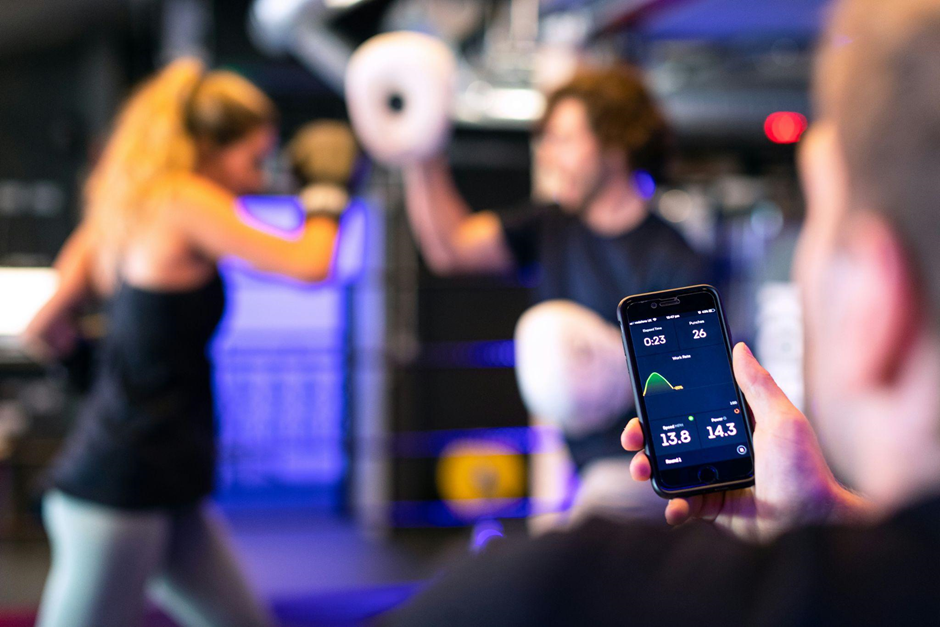
Wearable technology has become the quiet coach many people never knew they needed. Smartwatches, trackers, and connected shoes measure steps, calories, and sleep with precision. But beyond numbers, they tell a story about lifestyle. When data meets motivation, consistency becomes easier.
These tools have also made training more inclusive. Elderly users monitor their heart health safely. Students train at home through video-guided programs. Professional athletes use advanced analytics to tailor recovery and avoid injuries. It is the same technology, scaled for every need.
Apps That Build Motivation
Fitness apps have turned exercise into community. Whether it is a yoga challenge, a cycling leaderboard, or a step competition between friends, digital platforms make progress visible and rewarding. People train not only for results but for belonging.
Some of the world’s largest sporting events now link directly to mobile ecosystems. Fans can sync their fitness data with charity runs or virtual marathons, joining global challenges without leaving their city. The sense of shared movement keeps motivation high, even when workouts are solo.
During international tournaments, many users also enjoy the energy of friendly 1xBet, treating it as another layer of excitement around the competition. For most, it is not about profit but participation, a way to stay emotionally invested while watching their favorite teams.
How Technology and Fitness Expands Access
In many parts of the world, fitness technology is bridging economic and social gaps. Free workout apps and online training sessions make exercise possible even in places without sports facilities. Virtual coaches and streaming classes have become a lifeline for beginners who feel intimidated by traditional gyms.
Technology and Fitness are benefiting rural communities as well. With reliable internet, local athletes can learn techniques from international trainers, while parents safely track children’s activity through connected wearables. Small innovations multiply into real progress.
Through the 1xBet app, fans and fitness enthusiasts stay close to global tournaments, results, and upcoming matches. Technology has removed the boundaries that once separated spectators from the action. Now everyone can follow games, analyze trends, and share the thrill in real time.
Digital Communities and Shared Goals
Technology and Fitness have made modern exercise uniquely social. Online groups, live streams, and fitness influencers create communities where progress is celebrated, not judged. People share tips, organise meetups, and motivate each other to stay active.
Even professional sports teams have adopted this culture. Players interact directly with fans on social media, sharing routines and wellness tips that inspire participation. The collective sense of movement has become a digital version of teamwork.
Registration on interactive platforms such as 1xBet registration connects fans and fitness followers alike. It offers a digital meeting ground where users can explore sports-related activities, track scores, and share insights. The idea is simple: staying active is more fun when shared.
The Future of Accessible Technology and Fitness
Technology and Fitness are transforming movement into a cross-space, cross-income experience. Virtual reality workouts, AI trainers, and immersive streaming sessions now bring all types of bodies the confidence to move, sweat, and stay active.
More precisely, it’s between technology and humanity that this scene is evolving. Fitness need never begin at a gym door, but anywhere a signal can reach. Every device, every application, every corner of online space finds its way home: movement belongs to everyone.
In that sense, the digital age has done something remarkable. It has made the world not only smaller but stronger, linking billions through one simple idea – to keep moving together.
