
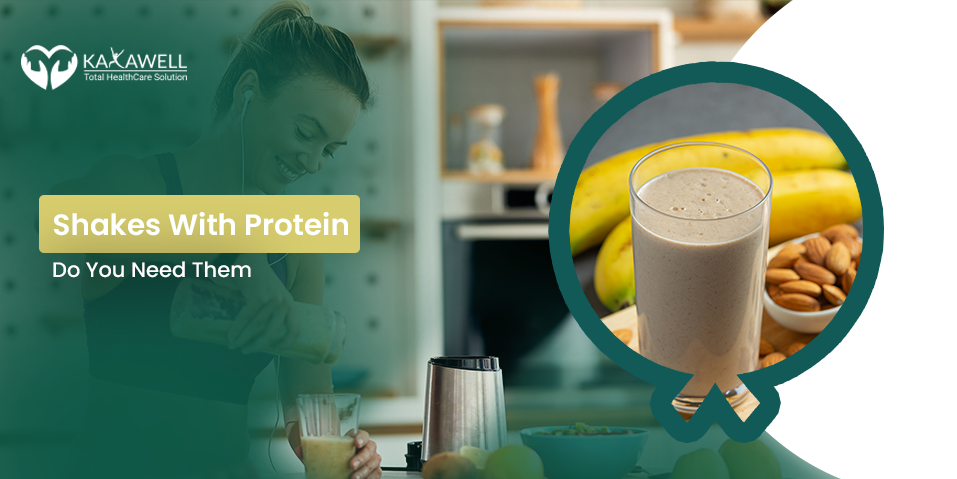
Shakes With Protein: Do You Need Them
In today’s fast-paced world, the popularity of protein shakes has skyrocketed. Whether you’re an athlete, gym-goer, or someone simply trying to stay healthy, you’ve likely encountered the ever-growing world of protein supplements. Protein shakes are marketed as convenient solutions for muscle gain, fat loss, and overall nutritional balance. But do you really need them?
In this blog, we’ll explore the science behind protein shakes, their benefits and limitations, and who actually needs them. We’ll also touch on a few related health products like Sildigra 250 and Kamagra 50mg, as part of a holistic approach to men’s wellness.
What Are Protein Shakes?
Protein shakes are beverages made by blending protein powder with water, milk, or other ingredients like fruits and nuts. The protein typically comes from sources such as whey, casein, soy, pea, or rice.
These shakes are usually consumed:
- Before or after workouts
- As meal replacements
- To boost daily protein intake
They are popular for their convenience and quick absorption, especially among athletes and busy professionals.
Why Is Protein Important?
Protein is a macronutrient essential for building and repairing tissues. It’s crucial for:
- Muscle growth and maintenance
- Enzyme and hormone production
- Immune function
- Maintaining skin, hair, and nails
For the average adult, the Recommended Dietary Allowance (RDA) is about 0.8 grams of protein per kilogram of body weight. Athletes and those trying to build muscle may need 1.2 to 2.0 grams/kg.
Read More: Whey Protein for Weight Loss and Muscle Gain
Types of Protein Powders: Which One Is Right?
Different protein powders serve different needs:
| Type | Source | Best For |
| Whey | Dairy | Muscle gain, fast absorption |
| Casein | Dairy | Slow digestion, overnight recovery |
| Soy | Plant | Heart health, suitable for vegans |
| Pea | Plant | Allergen-friendly, easy digestion |
| Rice | Plant | Hypoallergenic, good for smoothies |
Do You Really Need Protein Shakes?
1. You Might, If…
- You’re not getting enough protein from food: Vegetarians, vegans, or those on calorie-restricted diets may fall short on protein intake.
- You have high physical activity levels: Athletes or bodybuilders often require extra protein for muscle repair and recovery.
- You’re on the go: Protein shakes offer a convenient solution when time or access to whole foods is limited.
2. You Might Not, If…
- Your diet is already protein-rich: Eggs, meat, legumes, dairy, tofu, nuts, and seeds can provide ample protein.
- You’re not working out intensely: Sedentary individuals don’t require high protein levels, and shakes may lead to excess calorie intake.
- You’re aiming for whole-food nutrition: Whole foods contain fiber, antioxidants, and other nutrients absent in many powders.
Protein Shakes for Weight Loss
Protein can promote satiety and preserve lean muscle mass during fat loss. When used as a meal replacement or post-workout recovery, protein shakes may support:
- Appetite control
- Improved metabolism
- Muscle preservation during dieting
But caution: not all shakes are low in calories or sugar. Always check the label.
Protein Shakes for Muscle Gain
For muscle building, it’s important to pair your protein shake with strength training. Consuming protein post-workout helps with:
- Muscle repair
- Muscle hypertrophy (growth)
- Recovery acceleration
The optimal post-workout dose is around 20–40 grams of high-quality protein.
Common Misconceptions About Protein Shakes
More protein = more muscle.
Muscle gain depends on training stimulus and overall nutrition, not just protein quantity.
Protein shakes are meal substitutes.
While they can occasionally replace a meal, whole foods should be the foundation of your diet.
Only bodybuilders need protein shakes.
Anyone with dietary gaps may benefit from them—but not everyone needs them.
Potential Side Effects of Overusing Protein Shakes
While generally safe, excessive protein shake consumption may lead to:
- Digestive issues: Bloating, gas, or constipation—especially with lactose intolerance
- Kidney strain: In those with pre-existing kidney conditions
- Nutrient imbalance: Replacing whole meals with shakes may lead to vitamin and fiber deficiencies
Moderation and variety are key. Aim for balance, not reliance.
Natural Ways to Boost Protein Intake
Before turning to powders, consider whole-food protein sources:
- Eggs – High bioavailability and packed with nutrients
- Greek yogurt – Creamy and rich in casein
- Chicken breast – Lean and versatile
- Lentils and beans – Affordable plant protein
- Quinoa and tofu – Excellent for plant-based diets
These foods also come with beneficial vitamins, minerals, and fiber—something powders may lack.
When Is the Best Time to Take a Protein Shake?
The ideal time depends on your goal:
- Muscle building: Within 30 minutes post-workout
- Weight loss or appetite control: As a meal replacement or snack
- Convenience: Anytime you’re short on time but need a nutritious boost
Final Verdict: Do You Need Protein Shakes?
Yes—if you have higher protein demands or dietary gaps.
No—if your regular meals are already rich in protein.
Ultimately, protein shakes are tools, not necessities. They’re helpful for athletes, fitness enthusiasts, or those with specific health goals, but not everyone needs to invest in them.
Like any supplement, protein powders should complement not replace a balanced diet.
FAQs
Q1: Can protein shakes help with energy during workouts?
Yes, protein helps in muscle recovery and maintenance, but carbs are the primary fuel for workout energy. A mix of both is ideal pre- or post-workout.
Q2: Is it safe to consume protein shakes daily?
Yes, as long as they fit within your total calorie and nutrient needs. Choose high-quality products with minimal additives.