

KayaWell

GROWTH HORMONE ANTIBODY LabTest

KayaWell Icon

GROWTH HORMONE ANTIBODY LabTest

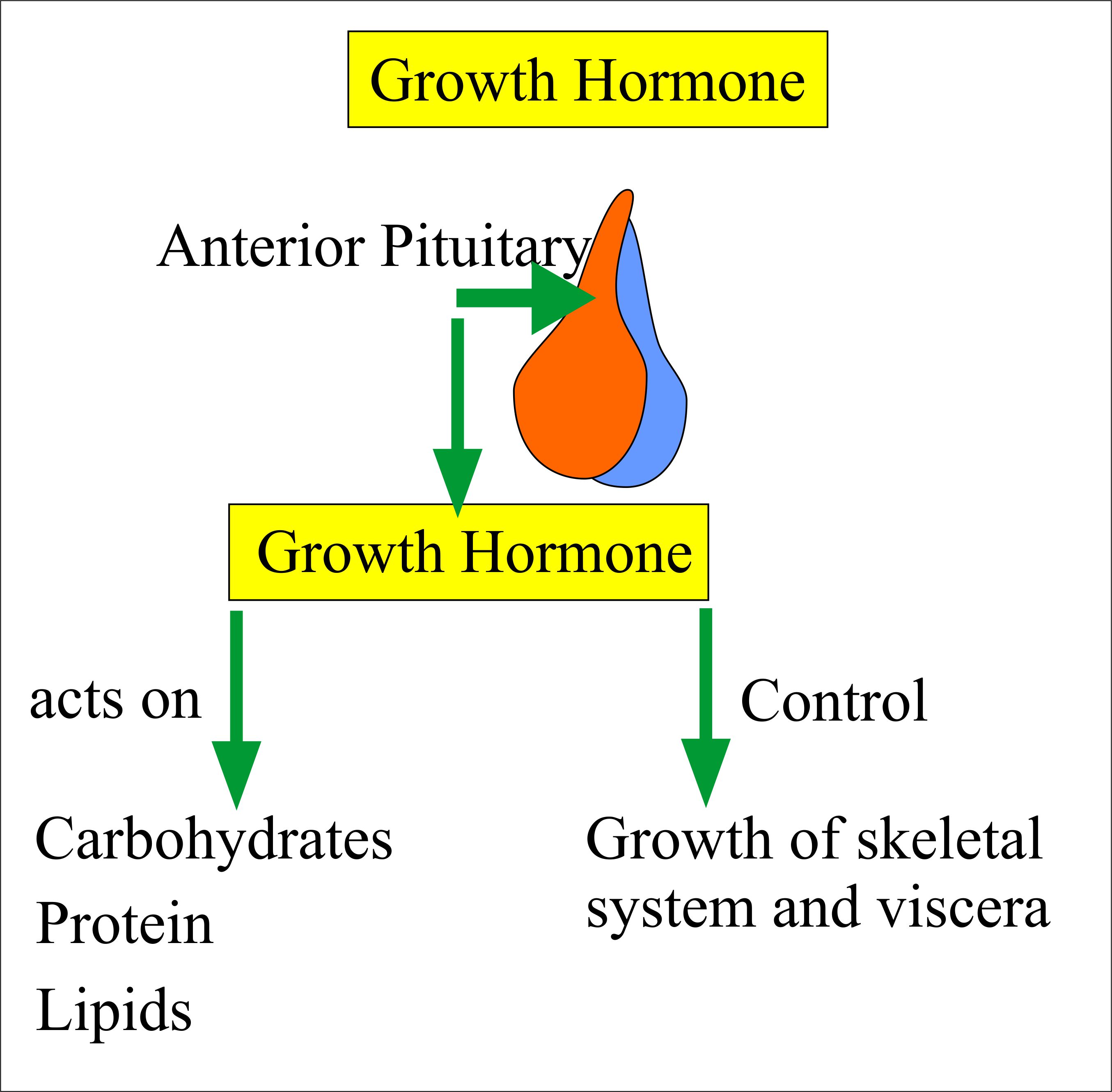
Growth hormone (GH) is a hormone that is essential for normal growth and development in children. It promotes proper linear bone growth from birth through puberty. In both children and adults, growth hormone helps regulate the rate at which the body both produces energy from food (metabolism) and makes lipids, proteins, and glucose (sugar). It also helps regulate the production of red blood cells and muscle mass.


Growth hormone is produced by the pituitary gland, a grape-sized gland located at the base of the brain behind the bridge of the nose. It is normally released into the bloodstream in pulses throughout the day and night with peaks that occur mostly during the night. Because of this, a single measurement of the level of GH in blood is difficult to interpret and not usually clinically useful. The value will be higher if the sample is taken during a pulse and lower if it is taken during a period between pulses. GH stimulation and suppression tests are therefore often used to diagnose GH abnormalities. (See the "How is it used?" section.)


GH deficiency


Children with insufficient GH production grow more slowly and are smaller in size for their age. Some children have GH deficiency at birth (congenital), but some may develop a deficiency later due, for example, to a brain injury or tumor. These conditions can affect the pituitary gland, causing a decrease in pituitary function, resulting in a lowered production of pituitary hormones (hypopituitarism). Sometimes, the cause of the deficiency is not known.


In adults, growth hormone plays a role in regulating bone density, muscle mass, and glucose and lipid metabolism. It can also affect heart and kidney function. Deficiencies may have begun in childhood or develop in adulthood. A deficiency can develop, for example, because of damage to the pituitary gland caused by a head injury, brain tumor, or surgery or radiation treatment. This can result in a decrease in pituitary hormones (hypopituitarism). The deficiency in GH can lead to decreased bone density, less muscle mass, and altered lipid levels. However, testing for GH deficiency is not routine in adults who have decreased bone density and/or muscle strength or increased lipids. GH deficiency is a very rare cause of these disorders.

https://labtestsonline.org/tests/growth-hormone
GROWTH HORMONE ANTIBODY LabTest

Comments