KayaWell

Pulmonary edema

KayaWell Icon

Pulmonary edema

Edema, in general, means swelling. This typically occurs when fluid from inside blood vessels seeps outside the blood vessel into the surrounding tissues, causing swelling. This can happen either because of too much pressure in the blood vessels or not enough proteins in the bloodstream to hold on to the fluid in the plasma (the part of the blood that does not contain any blood cells).


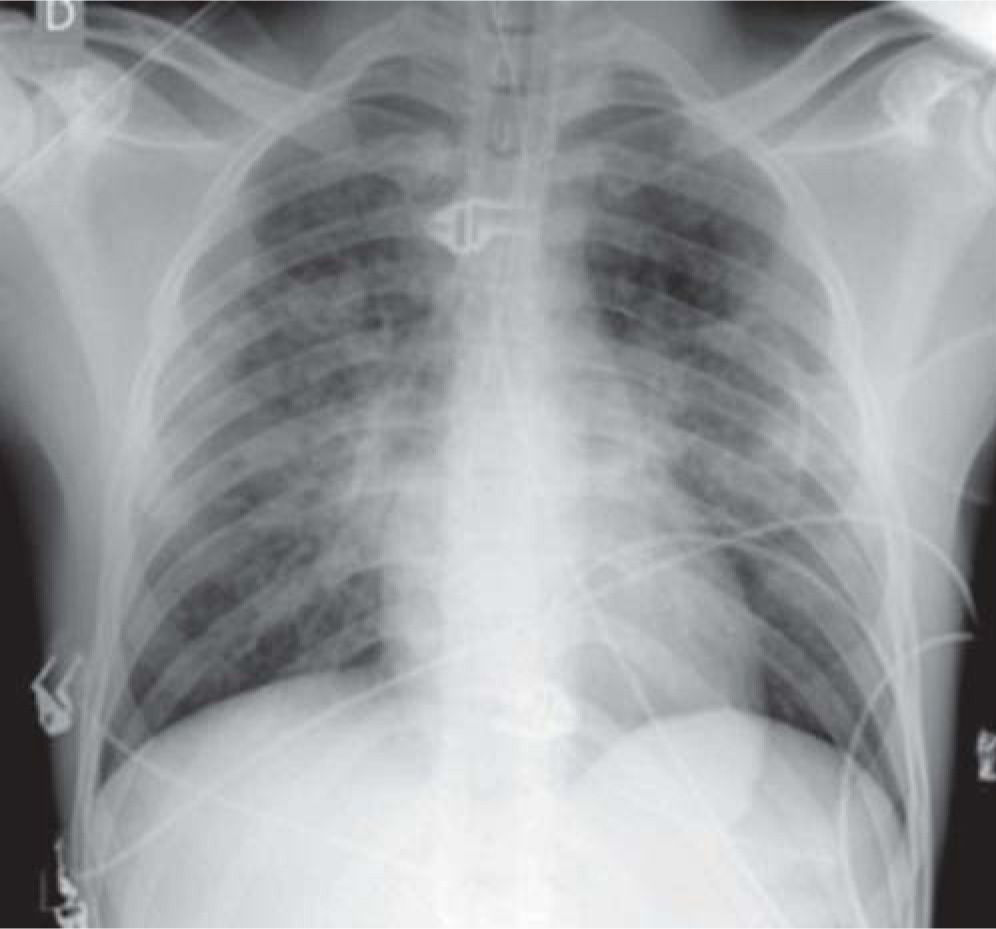
Pulmonary edema is the term used when edema happens in the lungs. The immediate area outside of the small blood vessels in the lungs is occupied by very tiny air sacs called the alveoli. This is where oxygen from the air is picked up by the blood passing by, and carbon dioxide in the blood is passed into the alveoli to be exhaled out. Alveoli normally have a thin wall that allows for this air exchange, and fluids are usually kept out of the alveoli unless these walls lose their integrity.

https://www.medicinenet.com
Pulmonary edema

Comments