
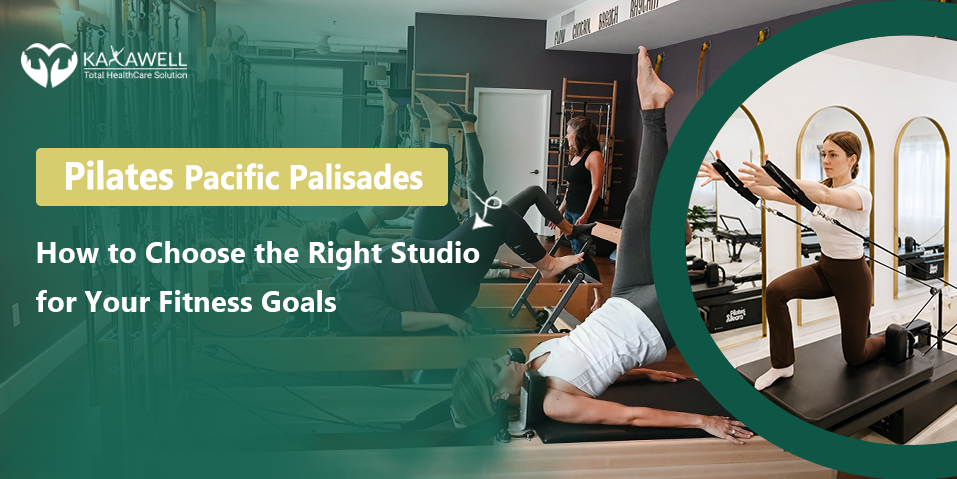
Pilates Pacific Palisades: How to Choose the Right Studio for Your Fitness Goals
Pilates Pacific Palisades is often the first thing people search for when they want a workout that actually fixes how their body feels.
I remember the first time I walked into a small studio near the coast, unsure if it would be another fitness trend or something that actually worked.
Within a few sessions, my posture changed, my back pain eased, and I finally understood why people stick with this method for years. Choosing the right place, though, is what makes or breaks that experience.
Why Pilates Feels Different From Other Workouts
Most workouts focus on burning calories or building visible muscle.
Pilates focuses on control, alignment, and how your body moves as a system.
That difference becomes obvious the moment you step onto a reformer. You’re not rushing through reps.
You’re slowing down, paying attention, and engaging muscles you didn’t even know existed.
I once saw someone who regularly lifted heavy weights struggle through a beginner session because the movements required precision instead of force.
It meets you where you are and quietly builds strength from the inside out, especially when you explore guided sessions like pilates Pacific Palisades.
What to Look for in a Quality Studio
Not all studios offer the same experience.
Some feel welcoming and personalised, while others feel crowded and rushed.
Here’s what actually matters when you walk in.
Instructor Attention and Expertise
A good instructor doesn’t just count reps.
They watch your form closely and make small corrections that change everything.
In one session, a simple adjustment to my shoulder position completely removed the tension I had been carrying for weeks.
That level of detail is what separates a great class from an average one.
Class Size and Environment
Smaller classes usually mean better guidance.
You want space to move, breathe, and focus.
If the room feels packed, it becomes harder to get individual attention.
The environment should feel calm, not chaotic.
Equipment Quality
Reformers, mats, and props should be well-maintained.
Worn-out equipment can affect your alignment and overall experience.
A clean, organized space also tells you a lot about how seriously the studio takes its practice.
Variety of Classes
A strong studio offers options.|
Beginner sessions, intermediate progressions, and specialised classes like rehab or athletic conditioning should all be available.
This allows you to grow without needing to switch locations later.
Matching Your Fitness Goals to the Right Class
Everyone walks into Pilates with a different goal.
Some want to recover from injury.
Others want to tone up or improve flexibility.
Choosing the right class depends on what you’re trying to achieve.
For Strength and Toning
Reformer-based sessions are ideal.
They use resistance to build long, lean muscle without bulk.
You’ll feel the difference in your core almost immediately.
For Flexibility and Mobility
Mat classes and stretch-focused sessions help loosen tight muscles.
These are great if you sit for long hours or deal with stiffness.
I noticed a huge improvement in my hip mobility after just a few weeks.
For Injury Recovery
Look for instructors trained in rehabilitation techniques.
These sessions move slower and focus on controlled movement.
They’re especially helpful for back, knee, or shoulder issues.
For Stress Relief
Some classes incorporate breathing and mindfulness.
These sessions feel more like a reset than a workout.
You leave feeling lighter, both physically and mentally.
Red Flags You Shouldn’t Ignore
Not every studio will be the right fit.
There are a few signs that should make you think twice.
Lack of Personal Attention
If the instructor doesn’t correct form, it’s easy to build bad habits.
That defeats the purpose of Pilates entirely.
Overcrowded Classes
Too many people mean less guidance.
It also increases the risk of improper movement.
Generic Workouts
Pilates should feel intentional, not repetitive and robotic.
If every class feels the same regardless of level, something is off.
Poor Communication
Clear instructions matter.
If you constantly feel confused during a session, it’s not a good sign.
Real-Life Progress: What You Can Expect
- Progress in Pilates is subtle at first, but it builds quickly.
- In my case, the biggest change wasn’t visible right away.
- It was how I felt standing, sitting, and even walking.
- My shoulders relaxed naturally instead of staying tense.
- My core engaged without me thinking about it.
- And every day, movements became easier.
- That’s when it clicked that this wasn’t just an exercise.
- It was a long-term investment in how my body functions.
How Often Should You Go?
- Consistency matters more than intensity.
- Two to three sessions per week are enough to see steady progress.
- You don’t need to train every day.
- In fact, giving your body time to adapt is part of the process.
- I started with two sessions a week and gradually increased as my strength improved.
- That pace made it sustainable instead of overwhelming.
Making the Final Decision
- Choosing the right studio comes down to how it makes you feel.
- Do you feel supported?
- Do you understand the movements?
- Do you leave feeling better than when you walked in?
- Those are the questions that matter.
- A good studio won’t just guide you through exercises.
- It will help you build a stronger, more balanced body over time.
- And once you find the right place, sticking with it becomes easy.
- Because you’re not just working out anymore.
- You’re moving with purpose.
