
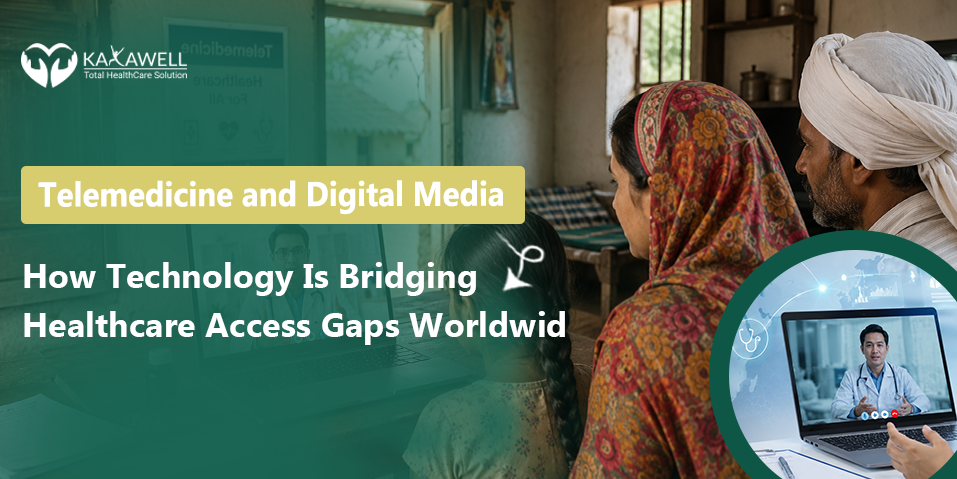
Telemedicine and Digital Media: How Technology Is Bridging Healthcare Access Gaps Worldwide
The global healthcare landscape has been fundamentally transformed by digital technology, with telemedicine and digital media emerging as critical channels for delivering medical services and health information to populations that previously lacked adequate access. From remote villages in Southeast Asia to underserved urban neighbourhoods in developed nations, technology is breaking down the geographic and economic barriers that have historically limited healthcare access. This transformation encompasses not just video consultations between patients and doctors, but a comprehensive ecosystem of digital tools that support health education, patient monitoring, and community wellness programs.
Telemedicine adoption accelerated dramatically during the global pandemic and has continued to evolve in the years since. What was once viewed as a supplement to in-person care has become a primary modality for many types of medical consultations. Routine follow-ups, medication management, mental health counseling, and dermatological assessments are among the many areas where virtual visits have proven equally effective as face-to-face appointments. The convenience and accessibility of telemedicine have made healthcare more patient-friendly while reducing the burden on overcrowded clinical facilities.
Digital media plays an increasingly important role in public health communication and health education worldwide. Government health agencies, non-profit organizations, and individual healthcare professionals leverage social media platforms to disseminate crucial health information to large audiences quickly and effectively. During disease outbreaks, vaccination campaigns, and public health emergencies, the ability to rapidly distribute accurate health information through visual media can literally save lives. Video content is particularly effective because it transcends literacy barriers and communicates complex health topics clearly.
Community health workers in developing nations have embraced digital tools to extend their reach and effectiveness. Equipped with smartphones and access to online resources, these front-line healthcare providers can access treatment protocols, educational materials, and diagnostic support tools in real time. Video-based training materials allow community health workers to continuously update their knowledge without traveling to distant training centers. This mobile-enabled approach to healthcare delivery has proven particularly effective in regions where professional healthcare infrastructure is limited.
Mental health awareness has been one of the most significant beneficiaries of social media health communication. Platforms like TikTok and Instagram have become important channels for mental health professionals to reach younger demographics with destigmatizing messages about anxiety, depression, eating disorders, and other conditions. Short-form video content about coping strategies, therapy resources, and personal mental health journeys has helped millions of people recognize their symptoms and seek professional help. The informal nature of social media makes these messages more approachable than traditional clinical communications.
The challenge of health misinformation on social media platforms remains a significant concern for healthcare professionals and public health organizations. False health claims, unproven treatments, and conspiracy theories can spread rapidly through social networks, potentially causing real harm to individuals who act on inaccurate information. Healthcare professionals combat this challenge by producing high-quality, evidence-based content that provides accurate alternatives to misinformation. The visual credibility of well-produced health videos helps counter low-quality misleading content that circulates online.
Patient education through multimedia content has become a standard component of modern healthcare delivery. Healthcare providers create and curate video libraries covering conditions, treatments, preventive care, and lifestyle modifications relevant to their patient populations. These resources supplement in-person consultations and help patients better understand their health situations. Research consistently shows that patients who access multimedia educational materials demonstrate better treatment adherence, improved self-management skills, and higher satisfaction with their overall healthcare experience.
Audio content has emerged as a particularly versatile format for health education and awareness. Health podcasts, audio guides for meditation and stress management, and recorded health tips that can be listened to during commutes or exercise have become popular resources. Healthcare professionals increasingly create audio versions of their educational content to reach audiences who prefer listening over watching video. This multiformat approach ensures that health information reaches people in the medium most convenient and accessible for their individual circumstances.
For healthcare workers looking to create audio educational materials from social media video content, tools like a TikTok MP3 converter online provide a practical solution for extracting audio from health-related short-form videos. Converting impactful mental health awareness videos or wellness tips into audio format allows these resources to be used in community radio programs, played during patient waiting room sessions, or distributed to areas where video streaming is impractical due to bandwidth limitations. This kind of content repurposing extends the reach of valuable health communication significantly.
Wearable technology and remote monitoring devices have added another dimension to digital healthcare delivery. Patients with chronic conditions can now transmit health data directly to their healthcare providers through connected devices, enabling continuous monitoring without frequent office visits. The integration of this monitoring data with telemedicine consultations creates a comprehensive virtual care model that approaches the effectiveness of in-person care for many conditions. This technology is particularly valuable for elderly patients and those with mobility limitations.
Health equity remains a central concern in the deployment of digital healthcare solutions. While technology has the potential to bridge access gaps, it can also create new disparities if digital tools are not designed with inclusivity in mind. Language accessibility, cultural sensitivity, device compatibility, and offline functionality are critical considerations for health technology developers serving diverse global populations. The most successful digital health tools are those designed from the ground up with the needs of underserved communities in their core framework.
Training healthcare professionals to effectively use digital tools and media platforms has become an important component of medical education curricula. Future doctors, nurses, and public health professionals need skills in digital communication, multimedia content creation, and telehealth technology in addition to their clinical training. Medical schools and continuing education programs are incorporating these digital literacy skills into their requirements, recognizing that technology competence is essential for modern healthcare delivery and patient engagement.
The regulatory landscape for digital health tools continues to evolve as governments work to balance innovation with patient safety. Frameworks for telemedicine licensing, digital health data privacy, and health app regulation are being developed and refined across jurisdictions. These regulations aim to protect patients while enabling the continued growth of digital healthcare innovation. Navigating this complex regulatory environment requires healthcare technology developers to stay informed and adaptable as standards continue to mature and change.
Looking forward, the integration of artificial intelligence into digital healthcare tools promises further advances in diagnosis, treatment planning, and preventive care. AI-powered symptom checkers, diagnostic imaging analysis, and personalized health recommendations are already emerging from research laboratories and early-stage startups. Combined with the reach of social media health communication and the accessibility of telemedicine platforms, these AI tools have the potential to democratize healthcare expertise on an unprecedented global scale, bringing specialist-level insights to underserved communities.
The convergence of telemedicine, digital media, and accessible web tools represents a powerful force for improving global health outcomes. By reducing barriers to healthcare access, enabling widespread health education, and empowering both patients and providers with practical digital tools, technology is fulfilling its promise as an equalizer in healthcare delivery. The continued development and adoption of these solutions will be crucial in addressing the persistent health inequities that affect billions of people across every region of the world.
