11 Natural Home Remedies for Migraine
Migraines are not typical types of headaches. When a migraine strikes you are going to do almost anything to get it gone. Migraine headaches in one part of the head are feeling like intense throbbing. These can also be caused by stress or strong stimuli, such as bright lights and intense smells in your environment. Natural remedies are a drug-free way to lessen the symptoms of migraine. These treatments at home can help prevent migraines, or at least reduce their severity and duration. In this article these natural home remedies can help you to reduce the Migraine.
Migraine is generally confused with a normal headache, however the severity of the two are incomparable. Migraine presents with a host of other debilitating symptoms such as nausea, vomiting, sensitivity to loud sounds and lights and general discomfort. A migraine is typically characterized as a one sided throbbing headache that doesn’t go away quickly.
Here we bring some simple home remedies for alleviating migraine pain and relieving the symptoms.
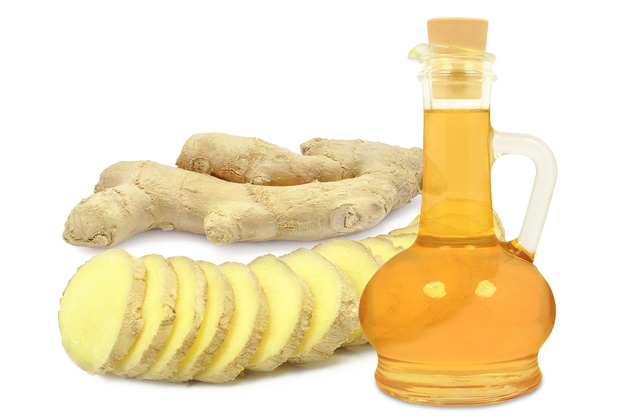
1. Ginger
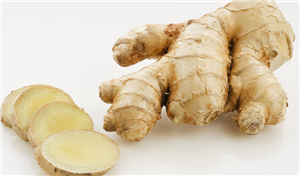
Research says ginger may prove effective in treating common migraines. Ginger inhibits prostaglandins which are responsible for controlling blood vessel inflammation in the brain.
When you have pain, you should drink ginger tea during the day, and don't forget to have it right at the start of pain.
Chewing a slice of ginger often relieves symptoms such as fatigue and indigestion, which normally occur during migraine pain.
2. Consume Vitamins

There are several vitamins, supplements, and herbal remedies capable of alleviating or preventing headaches, especially migraines.
These natural remedies work to reduce headaches by improving your breathing, acting as an anti-inflammatory agent, getting more oxygen to your tissues, relaxing the muscles or directly relieving pain.
3. Use Caffeine With Caution

Caffeine is pain relief. It's up there with aspirin and naproxen and ibuprofen, meaning consuming coffee or hot tea will help reduce the effects of migraines in the short run. But you could be better off with your diet in the long term, without caffeine.
It has a certain downside in that your body becomes easily reliant on it. So if you routinely drink caffeine but then miss it one day, which can cause a migraine. But eating some caffeine shouldn't be an issue as long as you stick to a healthy intake.
4. Exercise

If you're in the middle of a migraine attack, don't do it because it will make you hurt more. But daily exercise can prevent headaches when you're feeling well. It does release endorphins from your body, chemicals that combat pain. Often it relieves stress and allows you to sleep better.
5. Acupuncture and dry needling

For a long time, acupuncture was used as an alternative treatment for headaches. This is age-old medicine so discounting it is hard for me. Generally speaking, I believe that if patients have clear medical options, then they can use it. And there's evidence to back up patient outcomes. Acupuncture could minimize migraine frequency and can prevent potential migraines. The subjects who received acupuncture treatments for four weeks five days a week had fewer migraines as part of the analysis, varying from around five to three a month.
There's dry needling as well, which doesn't have a lot of strong research to back it up but shows promise. Dry needling is a little different from acupuncture, which requires plenty of needles for an extended period. Dry needling only uses a needle at a time. A physiotherapist easily inserts and removes a very thin needle into a tight or knotted muscle region to relieve stress.
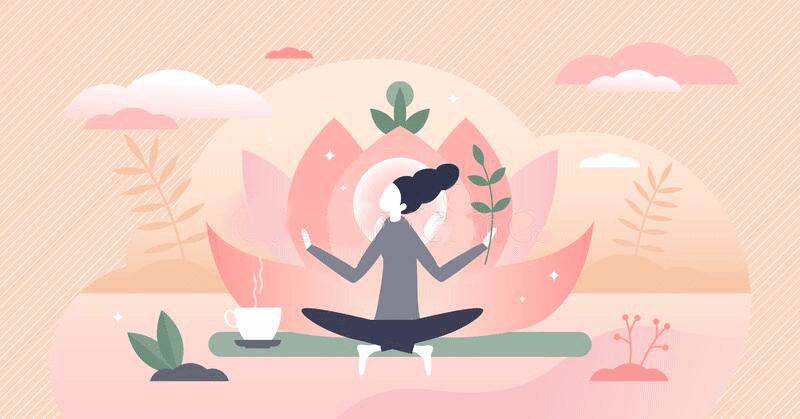
6. Yoga

Yoga uses postures for relaxation, meditation, and the body to encourage health and well-being. Research shows yoga can reduce migraine frequency, duration, and severity. It is thought that anxiety can increase, relieve stress in migraine-trigger areas, and improve vascular health.
Although researchers conclude that prescribing yoga as a primary treatment for migraines is too fast, they agree that yoga promotes overall health and can be helpful as a complementary therapy.
7. Stress management
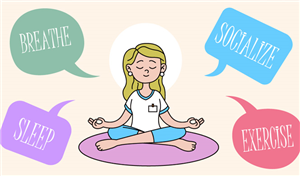
Stress is a common migraine cause. Stress may also build a loop in which migraine pain aggravates stress, and then causes another migraine. Seeking stress sources like journaling, exercise, or meditation may help avoid potential migraines. People can also try to take a class on stress management. They can even want to take a warm bath or listen to music to try to alleviate the tension they're experiencing. By doing these positive acts, a person chooses to regulate the reaction of his body to the stress in his or her life.
8. Having a consistent sleep routine

The relationship between sleep and migraines is complex, with attacks often caused by both too little and too much sleep. However, following what The Migraine Trust calls 'sleep hygiene' will help when it comes to avoiding migraines. Sleep hygiene involves following habits such as going to sleep and waking up every day at the same time, spending as much time in natural light as possible during the day, and avoiding screens in bed (which, we realize, is easier said than done).
9. Apply Nutmeg Paste
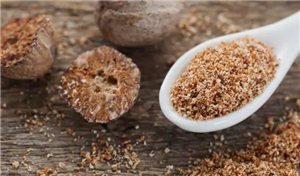
Make a paste on your forehead with crushed nutmeg powder and water, and massage. This may help soothe a headache as it promotes sleep. In reality, Nutmeg is a sleep-inducing spice that also helps to keep you calm and relaxed in any situation. A nutmeg paste massage on your forehead will give you relief instantly and let you get some sound sleep.
10. Keep a migraine diary

A diary can help you figure out what is triggering your migraines. Note when your migraines start, what you were doing at the time, how long they last, and what provides relief if anything.
Until recently, the best advice had been to avoid migraine triggers. But new research suggests that this may increase awareness of potential triggers.
A more useful approach may be to learn how to cope with these headache triggers by using behavioural management techniques, such as identification and challenge of negative thoughts, relaxation training, and stress reduction.
11. Essential oils

Essential oils also can help sometimes. Lavender oil, for example, can make you feel better when you have chronic headaches such as headaches due to stress or headache anxiety. Recent research has found that people who inhaled 15 minutes of lavender oil were feeling better. You may also add diluted lavender oil to your temples when you experience a frontal headache on the left side of the head, such as a headache on the right side of the head or headache.


 Contact Us








 Hospitals
 Doctors
 Diagnostic
 Pharmacy
 Health Tips
 Blog
Blog










 KayaWell Expert









Comments