14 ways to lose weight without diet or exercise
1. Boost your cooking skills
Man cooking and following recipe
Learning how to cook a variety of meals may aid weight loss.
Understanding how to prepare meals and developing better
skills in the kitchen can be a powerful way to lose weight without reducing
food intake.
People who have more knowledge about how to cook different
foods are more likely to eat a wide variety of highly nutritious ingredients,
including fruit and vegetables, which are great for weight loss.
In fact, researchers are increasingly linking weight gain
and obesity to poor cooking skills.
People who are not confident in the kitchen can try taking a
cookery class or watching cooking videos online. A great place to start is
Jamie Oliver's Food Tube, which focuses on how to make simple, healthful meals.
2. Eat more protein
Protein is an essential part of a healthful diet and is
necessary for growth and efficient metabolism. Protein can increase feelings of
fullness and delay hunger.
A small study in young women found that eating high-protein
yogurt as an afternoon snack reduced hunger and calorie intake at later meals.
Simple ways to increase the amount of protein in the diet
include adding a tablespoon of chia seeds or hemp seeds to breakfast cereals or
including more eggs in meal plans.
3. Eat more fiber
Fiber is in fruit, vegetables, legumes, and whole grains.
Fiber is different than other foods because the body does
not digest it in the small intestine. Instead, the food moves to the large
intestine, where fermentation occurs.
This benefits people by:
increasing fullness
slowing down digestion
increasing food transit time and nutrient absorption
preventing constipation
People can add more fiber into a balanced diet by:
eating fruit every day
including whole grains in the diet, such as steel-cut oats
and brown rice
eating plenty of vegetables
The fiber in the skin of many vegetables is also beneficial.
As long as people thoroughly wash the skin, it is safe and easy to eat when
cooked.
4. Try a probiotic
Probiotics are beneficial bacteria that are integral to
digestion. Recent research links gut and brain function and suggests that
probiotics can influence weight, fat mass, and mood.
Humans act as the host of these bacteria and provide them
with food, including fiber. In turn, the bacteria benefit the intestine and a
person's general health.
The benefits that they provide include:
energy for the gut wall and liver cells
specific fatty acids that have anti-cancer properties
regulating body weight
A diet that is high in sugar and fat can alter the balance
of bacteria in the gut, reducing the number of good bacteria.
Research suggests that probiotics could help prevent or
manage obesity. People can buy over-the-counter (OTC) probiotics in pharmacies
or online.
Probiotics also occur naturally in a variety of fermented
foods, including:
yogurt
kimchi
sauerkraut
kefir
miso
tempeh
kombucha
5. Get more sleep
A good night's rest is essential for general health and
weight maintenance. Poor sleep disrupts important hormones, including those
involved in metabolism.
Getting less than 6 hours of sleep a night can increase a
person's risk of being overweight or obese.
6. Reduce stress
Group for senior adults doing yoga
Yoga can reduce stress and aid weight loss.
Raised stress levels can also disrupt hormonal balance. When
a person is stressed, their body produces hormones called glucocorticoids. Too
many glucocorticoids can increase a person's appetite, leading to weight gain.
Stress can also trigger emotional eating. Emotional eating
is when a person eats unhealthful foods to try to control and improve a
negative mood.
Methods to reduce stress include:
getting regular exercise
reducing caffeine intake
practicing meditation or mindfulness
saying no to non-essential commitments
spending time outdoors
trying yoga
7. Get more vitamin D
Some research indicates that those with low vitamin D blood
levels are more likely to be obese and not get enough exercise.
Other health conditions associated with low vitamin D include:
metabolic syndrome
depression and anxiety
type 1 and type 2 diabetes
osteoporosis and osteoarthritis
People can get vitamin D from the sun and some foods. Foods
that contain vitamin D include egg yolks, fatty fish, certain mushrooms, and
fortified foods.
Vitamins and minerals that boost metabolism
Vitamins and minerals that boost metabolism
Can vitamins boost your metabolism and help you lose weight?
We look at the evidence.
8. Serve food in multiple small portions
This method is most useful in a buffet or snacking
situation. One study divided single meals into smaller portions to test whether
people expected to feel fuller after eating the same amount of food in separate
units.
They found that by dividing foods into three or six separate
portions, the participants' expected level of fullness was greater.
When eating at a buffet, a person can take multiple small
plates to split the food across. When snacking, they can cut up the snacks and
place them on different small plates.
A person can also try dividing mealtimes up into several
small courses, instead of putting everything on one plate.
9. Use a smaller plate
When people serve food onto a plate, they tend to finish all
the food on that plate. They could lower their calories with minimal effort by
reducing the size of their plate or how much food they put on it.
Two 2017 studies found that university students consistently
put less food on a special portion control plate.
A portion control plate has visual size indicators for
essential food groups, allowing people to adjust their portions without the
guesswork.
Portion control plates are available in some stores and
online.
10. Cut out sugary
beverages
Glass of water with ginger, lemon, and herbs.
Adding herbs or fruit to water may help curb cravings for
sugary drinks.
British research linked the regular consumption of sugary
and artificially sweetened drinks with higher body fat in children.
There are many healthful alternatives to soft drinks. Plain
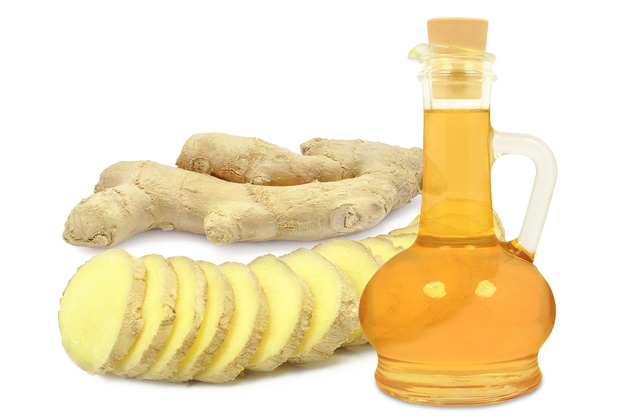
water with fresh mint, ginger, berries, or cucumber is refreshing and contains
very few calories. People can also add lime or lemon to sparkling water.
Herbal, green, and black teas are also suitable. Many teas
come with additional health benefits.
Fruit juices tend to be very high in sugar. When possible,
it is best to eat whole fruits instead as they contain fiber.
11. Make snacks healthier
According to research from 2016, almost one-third of
people's daily energy intake comes from snacking.
Snacks have increased in size over time, resulting in people
consuming too much between meals.
However, healthful and homemade snacks can increase fullness
and reduce the number of calories that people eat during meals.
Healthful snacks include:
yogurt
dried prunes or dates
high-fiber fruits, such as apples, bananas, and oranges
high-fiber vegetables, including carrots and broccoli
a handful of unsalted, unflavored nuts, such as cashews or
walnuts
12. Chew more
Chewing or mastication initiates the process of digestion.
Some preliminary research found that chewing each mouthful thoroughly and
prolonging meal duration reduced food intake.
Thoroughly chewing food can help a person savor what they
are eating. Taking enough time to eat during meals also gives the body time to
register when it is full.
13. Try mindful eating
Mindful eating, or eating with awareness, is an excellent
tool for weight management.
Mindful eating may help reduce food cravings and improve
portion control.
To practice mindful eating, a person should avoid
distractions, including televisions, laptops, and reading materials. It is best
to eat at a table, concentrate on how the food tastes, and be aware of signs
that the body is full.
14. Have family meals
Sitting down and eating a healthful meal with family can
also play a role in weight management.
Eating at home can reduce fat and sugar intake. Parents or
caregivers who cook balanced, nutritious meals for children also often pass
these positive habits onto them.


 Contact Us









 Hospitals
 Doctors
 Diagnostic
 Pharmacy
 Health Tips
 Blog
Blog











 KayaWell Expert






Comments